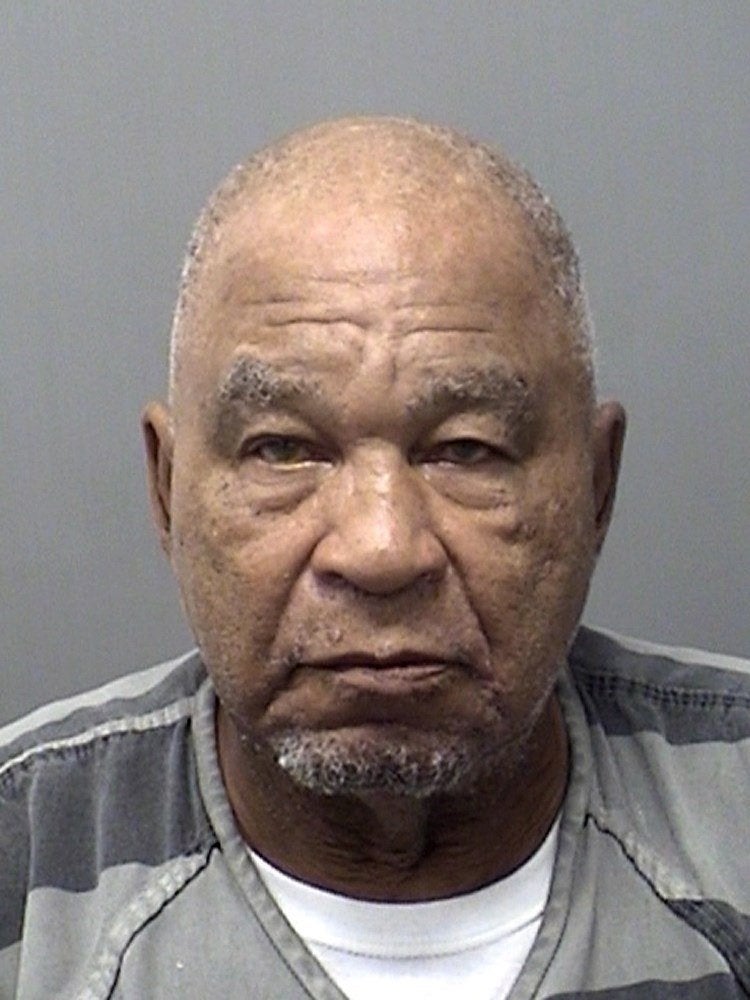
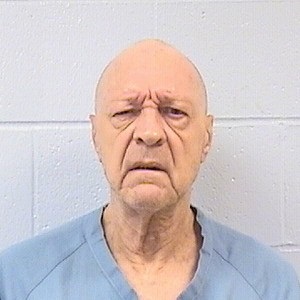
Samuel Little: The Most Prolific Known Serial Killer in United States History
Overview
Samuel Little was an American serial killer whose crimes extended across the United States for more than three decades. Born Samuel McDowell on June 7, 1940, in Reynolds, Georgia, Little spent much of his life traveling from city to city while committing thefts, assaults and other offenses. Although he repeatedly came into contact with law enforcement, the full extent of his crimes remained hidden until late in his life.
Little confessed to 93 murders committed between approximately 1970 and 2005. The Federal Bureau of Investigation determined that his confessions were credible and matched him to at least 50 homicide cases. Investigators continued examining other confessions after his death because many of the women he described had never been identified or were connected to cases that had originally been classified as accidents, overdoses or deaths from undetermined causes.
Little primarily targeted women who were living in vulnerable circumstances. Many were experiencing homelessness, poverty, substance dependency or involvement in sex work. A large percentage were Black women whose disappearances and deaths received limited publicity. Little understood that the deaths of marginalized women were less likely to generate intensive investigations or widespread media attention, allowing him to continue killing for years without being recognized as a serial offender.
Early Life and Criminal History
Little was raised largely in Lorain, Ohio. He experienced behavioral problems from an early age and was placed in a juvenile institution after being convicted of breaking and entering while still a teenager. During adulthood, he drifted throughout the country and accumulated an extensive criminal record involving burglary, shoplifting, fraud, drug offenses, armed robbery and attacks against women.
He was arrested dozens of times in numerous states. Despite the frequency of his arrests, Little often received relatively short sentences or avoided convictions in the most serious cases. His constant movement made it difficult for individual police departments to recognize patterns linking crimes committed hundreds or thousands of miles apart.
Little had boxed during his younger years and possessed considerable physical strength. According to investigators, he often struck his victims before strangling them. Because strangulation did not necessarily leave immediately recognizable wounds, some deaths were mistakenly attributed to overdoses, exposure or natural causes. The lack of gunshot or stab wounds also made it easier for his crimes to remain undetected.
Known and Identified Victims
The following women have been publicly identified in cases that investigators, prosecutors or law-enforcement agencies connected to Samuel Little. In several older cases, the exact moment of death could not be established; the dates listed may represent the estimated date of death, disappearance or discovery of the victim's body.
- Mary Jo Brosley, 33 – December 31, 1970, Homestead, Florida: Brosley's body was discovered near a roadway outside Homestead. Little later provided details and a drawing that investigators believed corresponded with her case.
- Karen O'Donoghue, 26 – May 1971, Miami, Florida: O'Donoghue disappeared in the Miami area. Her case was later associated with Little through his descriptions of an early Florida victim.
- Agatha White Buffalo, 34 – November 1973, Omaha, Nebraska: White Buffalo was found dead in South Omaha. Little gave investigators information about killing a woman in Omaha that was matched to her case.
- Sarah Brown – 1973, New Orleans, Louisiana: Brown was among the women investigators linked to Little's travels through Louisiana during the early 1970s.
- Linda Belcher, 22 – March 2, 1974, Phoenix, Arizona: Belcher's death was matched with one of Little's accounts of killing a young woman in the Phoenix area.
- Leola Etta Bryant, 51 – March 1974, Goose Creek, South Carolina: Bryant's case was later connected to Little after investigators compared his confession with the known circumstances of her death.
- Martha Cunningham, 34 – January 1975, Knox County, Tennessee: Cunningham's body was found near a cemetery. Her death was not initially treated as a homicide, but Little later confessed to killing her and accurately described the location.
- Miriam “Angela” Chapman, 25 – May 6, 1976, Miami, Florida: Chapman was killed during a period when Little was traveling through southern Florida. Investigators later matched his recollections with her case.
- Mary Ann Jenkins, 22 – April 1977, East St. Louis, Illinois: Jenkins was connected to Little through his confession to killing a young woman in the East St. Louis area.
- Dorothy Gibson, 17 – June 1977, Miami, Florida: Gibson was found dead after being reported missing. Another man was initially convicted in connection with her death, but Little later confessed and provided details supporting his responsibility.
- Lee Ann Helms, 21 – June 26, 1977, Atlanta, Georgia: Helms was killed in the Atlanta area. Little's description of the victim and disposal site contributed to investigators matching him to the case.
- Yvonne Pless, 20 – 1977, Macon, Georgia: Pless was among the victims associated with Little's movements through Georgia during the 1970s.
- Clara Birdlong, 44 – 1977, Escatawpa, Mississippi: Birdlong was known for decades only as the Escatawpa Jane Doe. Genetic genealogy led to her identification in 2021, and Little's confession had previously been matched to the unidentified remains.
- Karleen Jones, 14 – November 23, 1978, Plaquemine, Louisiana: Jones was one of Little's youngest known victims. Investigators linked him to her death through information he provided about killing a teenage girl in Louisiana.
- Evelyn Weston, 19 – September 5, 1978, Columbia, South Carolina: Weston was found dead in the Columbia area. Little's later statements were considered consistent with the details of her case.
- Mary Ann Porter, 31 – October 28, 1980, Fort Wayne, Indiana: Porter's death was matched with Little's description of a woman he killed while traveling through Indiana.
- Valeria Boyd, 18 – October 28, 1980, Phenix City, Alabama: Boyd was found dead near a cemetery. Little described killing a young woman in the area and leaving her body near grave markers.
- Annie “Anna” Lee Stewart, 33 – October 11, 1981, Grove City, Ohio: Stewart's body was found near a wastewater-treatment facility. Little later described the location and circumstances in enough detail for investigators to connect him to her death.
- Patricia Parker, 30 – September 28, 1981, Dade County, Georgia: Parker was found near Chattanooga, Tennessee, close to the Georgia border. Her case was matched to Little through his confession and description of the disposal area.
- Rosie Hill, 21 – August 16, 1982, Marion County, Florida: Hill was found dead near Ocala. Investigators later concluded that Little's account of a Florida killing corresponded with her case.
- Dorothy Richards, 55 – September 1, 1982, Houma, Louisiana: Richards was linked to Little after he described killing an older woman in the Houma area.
- Julia Critchfield, 36 – September 10, 1982, Saucier, Mississippi: Critchfield's body was discovered in a rural area of Harrison County. Little provided information that allowed investigators to match his confession to her death.
- Melinda Lapree, 22 – September 17, 1982, Pascagoula, Mississippi: Lapree disappeared after leaving a Pascagoula nightclub. Little had been prosecuted for her murder during the 1980s but was acquitted. Decades later, he confessed to killing her.
- Willie Mae Bivins, 32 – May 12, 1984, Tallahassee, Florida: Bivins was connected to Little through his description of a woman he killed in Tallahassee.
- Mary Jo Peyton, 21 – May or June 1984, Cleveland, Ohio: Peyton disappeared after leaving a Cleveland bar. Little later confessed to killing her and described disposing of her body in an abandoned building.
- Ida Mae Campbell, 34 – August 10, 1984, Mobile, Alabama: Campbell's body was found in Mobile. Little gave investigators a description that was matched to her case.
- Hannah Mae Bonner, 23 – August 10, 1984, Mobile, Alabama: Bonner was also linked to Little's activity in Mobile during the same period. Investigators examined his detailed recollections of victims he encountered in the city.
- Frances Campbell, 23 – 1984, Savannah, Georgia: Campbell disappeared in Savannah, and her remains were discovered in 1985 near construction debris. Little was later indicted for her murder after investigators matched his confession to her case.
- Sonja Collette Austin, 28 – April 12, 1987, San Bernardino, California: Austin's body was discovered in the San Bernardino area. Little's statements and drawing were used to connect him to her death.
- Carol Alford, 41 – July 13, 1987, Los Angeles, California: Alford's body was found in an alley in South Los Angeles. DNA evidence eventually connected Little to the crime, and he was convicted of her murder in 2014.
- Audrey Nelson, 35 – August 14, 1989, Los Angeles, California: Nelson was found dead in an alley. DNA recovered from evidence associated with her case helped prosecutors establish Little's responsibility, leading to his conviction.
- Guadalupe Apodaca, 46 – September 3, 1989, Los Angeles, California: Apodaca's body was discovered in an abandoned garage. DNA evidence tied Little to her murder, and she became one of the three Los Angeles victims for whom he received life sentences.
- Zena Marie Jones, 36 – July 1990, West Memphis, Arkansas: Jones was found along the Arkansas side of the Mississippi River. Little's description and portrait helped her family and investigators connect her identity to his confession.
- Alice Denise Duvall, 34 – June 10, 1991, Long Beach, California: Duvall was linked to Little after investigators compared the facts surrounding her death with his account of killing a woman in Long Beach.
- Rose Evans, 32 – August 24, 1991, Cleveland, Ohio: Evans was found dead in Cleveland. Little's confession was matched to the location and known circumstances of her death.
- Roberta Tandarich, 34 – September 1991, Akron, Ohio: Tandarich disappeared from the Akron area. Investigators later connected Little to her case through his detailed recollections.
- Alice Denise “Tina” Taylor, 27 – December 11, 1992, Gulfport, Mississippi: Taylor was found dead in Gulfport. Little's account of a Mississippi victim was matched with her case.
- Tracy Lynn Johnson, 19 – December 11, 1992, Gulfport, Mississippi: Johnson was also connected to Little's travels through the Gulfport area during this period.
- Ruby Lane, 19 – May 3, 1993, Perry, Florida: Lane's body was discovered in Taylor County. Little later provided a confession that investigators associated with her death.
- Bobbie Ann Fields Wilson, 37 – August 7, 1993, Lubbock, Texas: Wilson was found dead in Lubbock. Little gave Texas investigators details that were considered consistent with the crime.
- Denise Christie Brothers, 38 – January 1994, Odessa, Texas: Brothers disappeared on January 1, 1994, and her body was found on January 12 in a vacant lot. Little pleaded guilty to her murder in 2018 and received an additional life sentence.
- Jolanda Jones, 26 – February 24, 1994, Pine Bluff, Arkansas: Jones was found dead in Pine Bluff. Little's later confession was matched to her case.
- Gwendolyn Faye Simmons, 23 – April 1994, North Little Rock, Arkansas: Simmons disappeared in North Little Rock. Investigators determined that Little's account of killing a woman in the area corresponded with her case.
- Melissa Thomas, 24 – January 31, 1996, Opelousas, Louisiana: Thomas was found dead near a cemetery. Little accurately described the victim and location, allowing authorities to match him to the crime.
- Daisy McGuire, 40 – February 6, 1996, Houma, Louisiana: McGuire's death was linked to Little after he described another victim from the Houma area.
- Nancy Carol Stevens, 46 – August 8, 2005, Tupelo, Mississippi: Stevens was one of Little's last known victims. Her body was discovered near Tupelo, and investigators matched the case to a confession Little made many years later.
The Los Angeles Murder Investigation
Little's long-hidden series of murders began to unravel after he was located at a homeless shelter in Louisville, Kentucky, in 2012. He was arrested on an outstanding narcotics warrant and extradited to California. Once his DNA profile was entered into law-enforcement databases, investigators connected him to evidence from the unsolved Los Angeles murders of Carol Alford, Audrey Nelson and Guadalupe Apodaca.
Prosecutors presented DNA evidence alongside testimony describing Little's history of violence against women. In September 2014, a Los Angeles jury convicted him of three counts of first-degree murder. He was sentenced to three consecutive life terms without the possibility of parole.
Although Little denied the murders during his trial, the convictions ensured that he would spend the remainder of his life in prison. Investigators around the country then began examining whether he could be responsible for other unresolved deaths from the cities through which he had traveled.
The Confessions
The major breakthrough came in 2018 when Texas Ranger James Holland began interviewing Little about unsolved murders. Holland developed a rapport with him and encouraged him to speak about crimes he had committed in different states. Little eventually confessed to 93 murders.
Little possessed a striking memory for certain details. He often remembered the appearance of a victim, the city where they met, the vehicle he was driving and the place where he left the body. He was less reliable about exact dates, frequently confusing the year or season in which a killing occurred. Investigators therefore compared each account with missing-person reports, unidentified remains, autopsy findings and geographic details.
Little also created portraits of many victims from memory. His drawings showed hairstyles, clothing, jewelry and facial features. The FBI released numerous portraits in an effort to identify unnamed women and connect them with missing-person cases. Some families recognized characteristics in the drawings, while forensic genealogy and renewed police investigations helped restore names to previously unidentified victims.
Unidentified and Unresolved Victims
Many of Little's confessions have not been connected to a named victim. He described women killed in Florida, Georgia, Maryland, Kentucky, Louisiana, Mississippi, Nevada, Ohio, South Carolina, Tennessee, Texas and California whose identities remain uncertain. In some cases, no body was recovered. In others, investigators believe that unidentified remains found decades ago may belong to one of the women he described.
Little sometimes remembered a first name or nickname, but the information was too limited to establish an identity. He described one victim as “Emily,” another as “Marianne” or “Mary Ann,” and others by physical appearance or the location where he met them. Such fragmentary details demonstrate the difficulty of reconstructing crimes committed by a constantly traveling offender before computerized records and DNA databases were widely available.
The unresolved cases also reveal the consequences of treating some victims as less important because of poverty, race, addiction or sex work. A disappearance might not have been reported immediately, and relatives sometimes did not know where a woman had been living. Bodies discovered far from home could remain unidentified because local investigators had no information linking them to a missing person in another state.
Victim Selection and Method
Little generally approached women in bars, on streets or in neighborhoods where people experiencing homelessness or addiction gathered. He offered transportation, money, alcohol or companionship. Once isolated from witnesses, he attacked them and frequently left their bodies in alleys, abandoned buildings, wooded areas, vacant lots or along rural roads.
His victims were not chosen because they lacked families or people who cared about them. Instead, Little exploited the fact that law-enforcement agencies and the wider public often devoted fewer resources to missing and murdered women from marginalized communities. Relatives sometimes searched for years without receiving meaningful answers.
The absence of obvious injuries caused further problems. Little often relied on blunt-force assaults and manual strangulation rather than firearms or knives. Decomposition, exposure and limited forensic examinations sometimes prevented authorities from recognizing strangulation. Several deaths were consequently recorded as accidental, drug-related or undetermined.
Missed Opportunities to Stop Him
Little faced serious accusations before his eventual murder convictions. In 1982, he was charged with murdering Melinda Lapree in Mississippi, but a grand jury declined to indict him. He was later tried for the murder of Patricia Mount in Florida and acquitted. He also survived prosecutions for violent attacks on women who escaped.
These cases placed Little under suspicion but did not expose the national scope of his crimes. Police departments had limited methods for sharing records, particularly during the 1970s and 1980s. A violent offender arrested in one state could use a different name, leave the area and continue committing crimes elsewhere without immediately attracting attention.
Surviving victims provided important evidence of Little's behavior. Several women described being beaten, strangled or left for dead. Their experiences demonstrated that his attacks followed a recognizable pattern, but those accounts were not assembled into a complete picture until decades later.
Convictions and Final Years
After his California convictions, Little remained imprisoned while investigators interviewed him about unresolved cases. In December 2018, he pleaded guilty in Odessa, Texas, to the murder of Denise Christie Brothers and received another life sentence. Other jurisdictions obtained indictments or formally closed cases based on his confessions and corroborating evidence, even when his declining health made additional trials unlikely.
The FBI announced in October 2019 that Little had been confirmed as the most prolific known serial killer in United States history. At that time, authorities had matched him to 50 cases and considered all 93 of his confessions credible, although not every account had been conclusively resolved.
Samuel Little died on December 30, 2020, at a California hospital while serving his life sentences. He was 80 years old. His death ended the possibility of further prosecutions, but investigators continued working to identify victims and compare his confessions with unsolved cases.
Legacy of the Investigation
The Samuel Little investigation became one of the largest efforts to connect the crimes of a single offender across multiple jurisdictions. It demonstrated the importance of DNA databases, the FBI's Violent Criminal Apprehension Program, forensic genealogy and cooperation among local, state and federal agencies.
The case also forced a broader examination of how missing and murdered women are treated. Little avoided detection partly because he selected victims whose lives were likely to be overlooked. Many were described in official records only by their circumstances rather than as daughters, mothers, sisters and friends with families searching for them.
Although Little admitted responsibility for an extraordinary number of killings, the final number of his victims may never be known. Some women remain unidentified, some bodies may never have been recovered and records from older cases may be incomplete. The continuing work to identify them is not simply an attempt to document Little's criminal history. It is an effort to return names to the women he killed and provide long-delayed answers to their families.