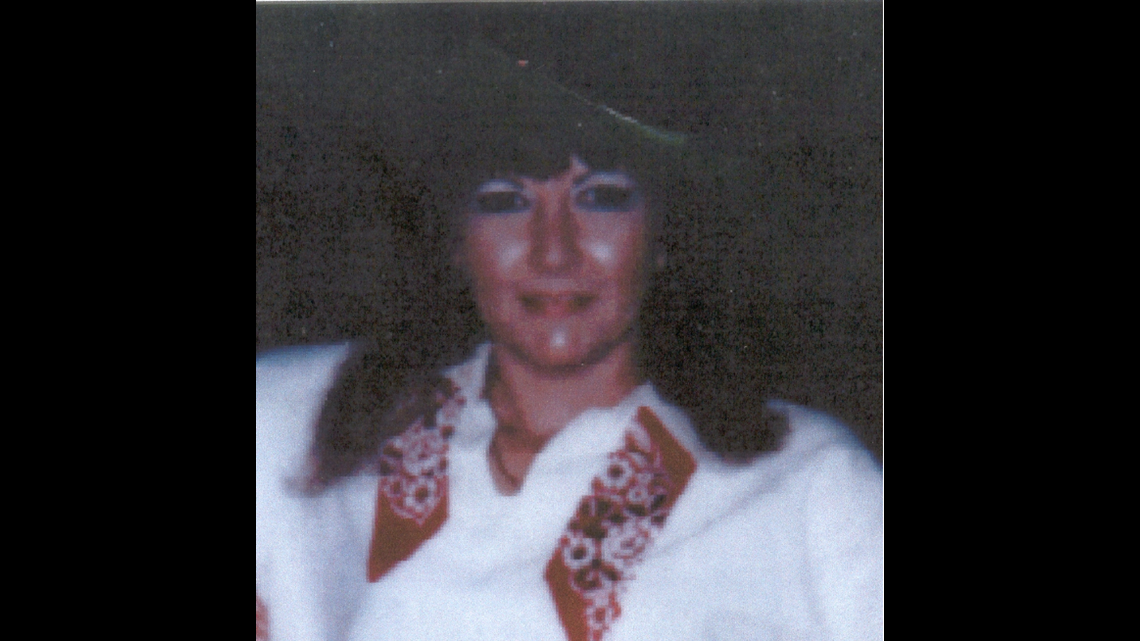
Denise Christie Brothers, a 38-year-old white female, was reported missing on January 1, 1994. Her body was discovered about a month later in a vacant lot in Odessa, Texas. The cause of death was determined to be homicide by strangulation. For years, her murder remained unsolved, leaving her family and investigators without answers.
In May 2018, Texas Rangers initiated a series of interviews with Samuel Little, a convicted serial killer serving life sentences in California.
Little, who had been convicted in 2014 for the murders of three Los Angeles-area women in the late 1980s, had long been suspected of numerous other killings. During these interviews, he confessed to the murder of Denise Brothers, providing details that matched the circumstances of her death. His confession led to an indictment in Ector County, Texas, for her murder.
Samuel Little, who claimed to have killed approximately 90 people across 20 states since 1970, was considered one of the most prolific serial killers in American history. His confessions, often detailed and precise, prompted law enforcement agencies nationwide to reexamine cold cases. Investigators confirmed his involvement in at least 36 cases, including the murder of Brothers. His ability to recall specific details about his victims and crime scenes was described as uncanny, aiding authorities in solving numerous previously unsolved homicides.
On December 13, 2018, Little pleaded guilty to the murder of Denise Brothers and was sentenced to another life term in prison. His conviction in this case was part of a broader effort by law enforcement to bring closure to the families of his victims. The Texas Rangers played a crucial role in securing his confession, which contributed to the resolution of multiple cold cases. Little’s admissions provided long-awaited answers to grieving families and reinforced his status as one of the most notorious serial killers in U.S. history.
Despite his confessions, many of Little’s victims had initially been classified as deaths due to natural causes, drug overdoses, or accidents, as there were no obvious signs of homicide such as stab wounds or gunshot injuries. His method of killing—strangulation—often left little forensic evidence, allowing him to evade detection for decades. His crimes targeted vulnerable women, many of whom were involved in prostitution or struggling with addiction, making them less likely to be thoroughly investigated at the time of their deaths.
The resolution of Denise Brothers’ case was a significant milestone in the broader investigation into Samuel Little’s crimes. It underscored the importance of persistent investigative efforts and the role of forensic advancements in solving cold cases. While Little’s conviction provided some measure of justice, the sheer scale of his crimes left a lasting impact on law enforcement and the families of his victims.