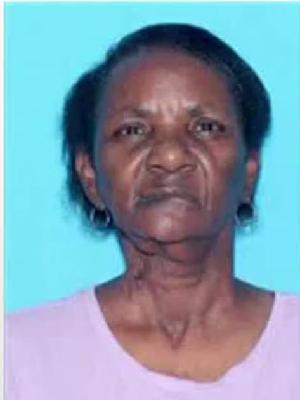
Ida Mea Campbell, a 34-year-old female from Mobile, Alabama, died on August 10, 1984, and for decades her case sat in the long shadow that so many cold cases inhabit, with more questions than answers. Investigators later said they believed Campbell and another Mobile woman, Hannah Mae Bonner, were abducted on the same night but at different times. Campbell’s remains were not found until weeks later, on September 5, 1984, along a dirt road near what is now Halls Mill Road, and because of the
condition of her body, authorities at the time were unable to determine an exact cause of death.
The break in the case did not come from a fresh witness or a forgotten piece of evidence, but from one of the darkest names in modern criminal history. In 2018, Mobile police said convicted serial killer Samuel Little confessed to killing Campbell. By then, Little was already serving life sentences for three murders in California, and federal authorities had identified him as the most prolific known serial killer in U.S. history after he confessed to 93 murders committed between 1970 and 2005. Investigators said his method often involved stunning or knocking out victims before strangling them, a pattern that helped explain why some deaths around the country were not initially recognized as homicides.
What makes Campbell’s case especially haunting is how incomplete the official picture remained even after Little’s confession. Mobile authorities publicly identified him as the suspect in her killing, but reports at the time said he had not been formally charged by local authorities in Campbell’s case. Instead, her death became one more recovered name in the vast map of violence Little drew across the country, a case that moved from mystery toward grim recognition rather than a courtroom ending. The arrest connected to her story, then, was not a new Mobile arrest for Campbell’s death, but the fact that Little was already in custody and confessing from prison when investigators tied him to her. For Campbell’s case, the known suspect publicly identified in online reporting is Samuel Little, and the public reporting located does not show any other named suspects, arrests, trials, or convictions specifically for her killing in Mobile.