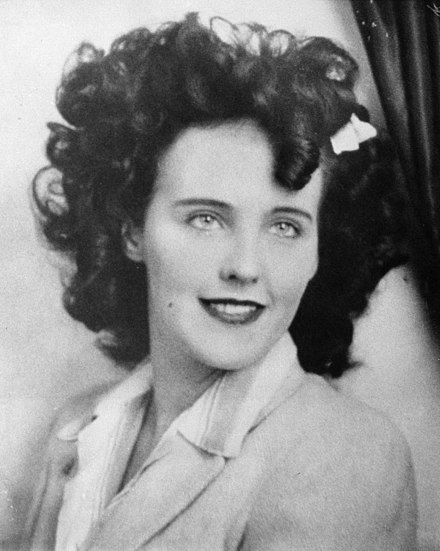
Carol Alford, a 41-year-old African-American woman, was found dead in an alley in Los Angeles on July 13, 1987. Her body was discovered partially clothed, with signs of trauma indicating she had been struck in the head and strangled to death. Investigators noted drag marks near her body, suggesting she had been killed elsewhere and later dumped in the alley.
The case remained unsolved for decades until advancements in forensic technology led to a breakthrough.
In 2012, DNA evidence linked her murder to Samuel Little, a man who would later be identified as one of the most prolific serial killers in U.S. history. Little, a former prize-winning fighter, had a pattern of targeting marginalized women, many of whom were involved in sex work or struggling with drug addiction. He often strangled his victims with his hands, believing their deaths would not be thoroughly investigated by authorities. His criminal history included multiple arrests for violent offenses, including false imprisonment and felony assault.
Little was convicted of Alford's murder in 2014, along with the killings of Guadalupe Apodaca and Audrey Nelson, both of whom were also found dead in Los Angeles in the late 1980s. His conviction was based on DNA evidence and witness testimonies from women who had survived his attacks. Prosecutors described him as a serial predator who had operated undetected for years. Following his conviction, Little began confessing to additional murders, ultimately admitting to killing 93 women across multiple states between 1970 and 2005. The FBI confirmed at least 50 of these confessions as credible.
Authorities believe Little was able to evade justice for so long because many of his victims were overlooked by society. Their deaths were often misclassified as drug overdoses or accidental fatalities, and in some cases, their bodies were never recovered. His arrest and subsequent confessions provided closure for numerous families who had spent decades searching for answers. Little was sentenced to life in prison without the possibility of parole, ensuring he would never harm another victim. His case remains one of the most chilling examples of how systemic failures allowed a serial killer to operate unchecked for decades.