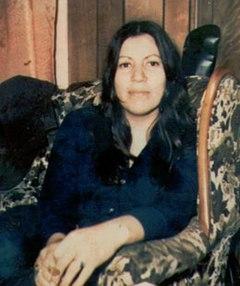
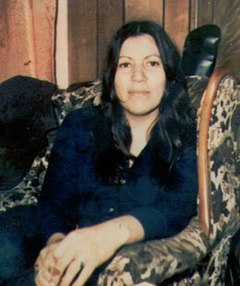
In the autumn of 1973, a 34-year-old Lakota woman named Agatha White Buffalo left her home on the Rosebud Indian Reservation in South Dakota for a journey that was meant to be temporary. A mother of eight, she was traveling to Omaha, Nebraska, for a medical appointment to have a biopsy performed on a spot found on her lung. This trip, however, would be her last, as she never returned to her family and the life she knew.
She was a petite woman, remembered by her children for her diligent care, washing their clothes by hand and ensuring they were raised in the Catholic faith.
Her family's worry turned to grief when, on November 16, 1973, a man moving barrels behind a business in south Omaha made a gruesome discovery. Agatha White Buffalo's body was found inside a 55-gallon drum. An autopsy would later reveal that she had been strangled to death, though she had not been sexually assaulted. For decades, her murder remained a cold case, a source of unending pain and unanswered questions for her surviving children, who had been placed in foster care after their father was incarcerated and their mother struggled to care for them on her own.
For forty-five years, there were no arrests and no suspects in the murder of Agatha White Buffalo. The trail had seemingly gone cold until a breakthrough emerged from a Texas inmate. In 2018, authorities announced that a man named Sam Little, a former boxer already serving three consecutive life sentences for the murders of three women in Los Angeles, had confessed to killing numerous women across the country between 1970 and 2005. Among his confessions was the murder of a woman in Omaha in 1973. Investigators were able to link this confession to the long-unsolved death of Agatha White Buffalo. Little's method of killing often involved beating and then strangling his victims, leaving little evidence at the scene. His confession finally brought a measure of resolution to a family that had been shattered by loss and uncertainty for nearly half a century.