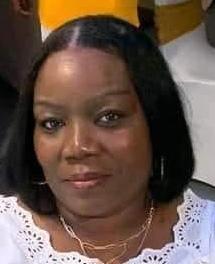
In the summer of 1979, the life of 23-year-old Brenda Alexander, an African American woman, was tragically cut short in Phenix City, Alabama. For nearly four decades, the circumstances surrounding her death remained a painful mystery, a cold case that offered no answers or justice for her family. Her body was discovered on August 27, 1979, leaving a community in fear and a family heartbroken without knowing who was responsible for the young woman's death. The investigation into her murder yielded no suspects, and as years turned into decades, hope for a resolution dwindled.
The silence in Brenda Alexander's case was finally broken in November 2018, when a confession emerged from an unlikely source. Samuel Little, a man already imprisoned and later identified as the most prolific serial killer in U.S. history, admitted to her murder. Little's confession was chillingly detailed, providing investigators with information that only the killer would know. He recounted meeting Brenda at a local disco in Phenix City and then strangling her. His detailed account matched the evidence from the original 1979 investigation, leaving no doubt in the minds of law enforcement that they had found her killer.
Samuel Little's confession was part of a series of admissions to numerous murders across the country, spanning from 1970 to 2005. Law enforcement agencies, including the FBI, worked to corroborate his claims, ultimately linking him to the deaths of over 60 women, though he confessed to 93. His victims were often vulnerable women, which contributed to many of their cases going unsolved for so long. For the family of Brenda Alexander, Little's confession brought a painful but definitive end to 39 years of uncertainty. The Russell County District Attorney's Office announced the closure of her case based on this new information, finally bringing a measure of justice to a long-unsolved crime.