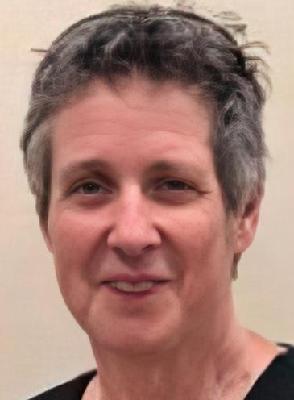
In the winter of 1977, the skeletal remains of a woman were discovered by hunters near a construction site for Interstate 10 in Jackson County, Mississippi. For more than four decades, her identity remained a mystery, and she was known only as 'Escatawpa Jane Doe.' A medical examination at the time determined that she was a petite African American woman, distinguished by a gold front tooth, and may have worn a wig.
It was estimated that she had been deceased for three to four months before her remains were found. Despite efforts over the years, including facial reconstructions, her name remained unknown.
The cold case took a significant turn when investigators began to look at the confessions of Samuel Little, one of the most prolific serial killers in U.S. history. Before his death in prison in 2020, Little confessed to the murders of 93 women across the country, including a woman in the Jackson County area. He provided details about the victim that aligned with the unidentified remains. Though he didn't know her name, his confession provided a crucial lead for investigators. This prompted a renewed effort to identify the woman he had killed.
Through the use of modern DNA technology and forensic genealogy, investigators were finally able to give 'Escatawpa Jane Doe' her name back in 2021. By creating a family tree from her DNA, they located a distant cousin in Texas who then led them to a 93-year-old grandmother. This elderly relative confirmed that her cousin, Clara Birdlong, born in 1933, had gone missing from Leflore County, Mississippi, in the 1970s. She recalled that Clara, who was known by the nickname 'Nuttin,' was a small woman with a gold front tooth and often wore a wig. Another witness from Leflore County remembered Birdlong leaving in the 1970s with a man who said he was on his way to Florida. She was never heard from again.
While the cause of Clara Birdlong's death remains officially undetermined, authorities consider Samuel Little the prime suspect in her murder. His detailed confession to killing a woman matching her description in that location, coupled with the timeline of his travels and a petty theft arrest in Pascagoula in August 1977, strongly links him to the crime. With Little's death, no arrests can be made or charges filed in Birdlong's case, but the identification of her remains has brought a measure of resolution to a mystery that lasted 44 years.