Timothy Joseph McGhee: The “Monster of Atwater Village”
Gang Leader and Suspected Serial Killer
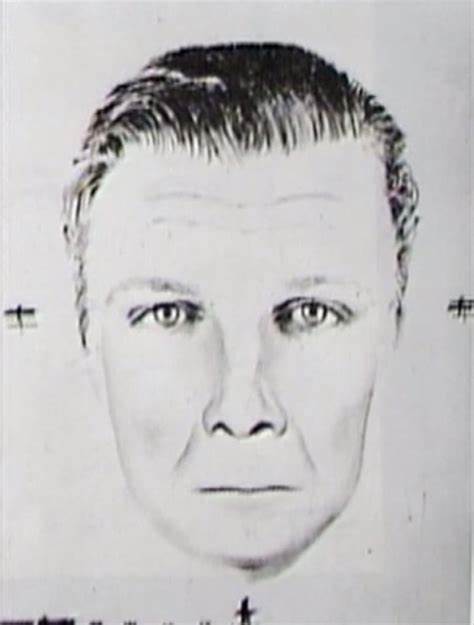
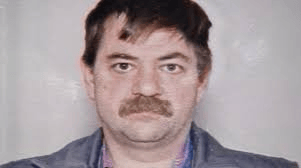
Timothy Joseph McGhee, born April 27, 1973, became one of the most feared gang figures in northeast Los Angeles. Known by the nicknames “Huero,” “Eskimo,” and the “Monster of Atwater Village,” McGhee was a high-ranking member of the Toonerville Rifa 13 street gang. Police and prosecutors connected him to a prolonged campaign of shootings, intimidation, retaliation, and witness elimination in and around Atwater Village between 1997 and 2001.
Authorities suspected McGhee of involvement in as many as twelve homicides, although he was brought to trial and convicted in connection with three murders. Prosecutors argued that his conduct went beyond conventional gang violence. They described him as someone who appeared to enjoy killing and who treated people as targets to be hunted. His reputation for violence frightened residents, rival gang members, witnesses, and even some members of his own organization.
Early Violence and the Toonerville Gang
McGhee became involved in criminal activity when he was young. In 1989, while being held in a juvenile facility, he reportedly pointed a shotgun at a guard. In 1994, he was convicted of assaulting a law-enforcement officer in San Bernardino County and received a prison sentence. He was released in 1997 but repeatedly returned to custody for parole violations.
Whenever McGhee was free, investigators believed violence in the Atwater Village area increased. Toonerville members were engaged in long-running conflicts with neighboring gangs, including Frogtown and the Rascals. McGhee allegedly used his elevated position within Toonerville to organize attacks, punish enemies, protect drug operations, and silence anyone who might cooperate with police.
Verified Murder Victims in the Criminal Case
- Ronald “Ronnie” Martin — October 14, 1997 — Los Angeles, California: Martin, a member of the rival Frogtown gang, was confronted in Frogtown territory and shot 27 times with at least two firearms. Trial testimony indicated that McGhee and another Toonerville member had entered the area seeking revenge for the death of a fellow gang member. Martin was allegedly ordered to lift his shirt, exposing a Frogtown tattoo, before the gunmen opened fire. Ballistics evidence connected one of the weapons to another shooting committed four days earlier.
- Ryan Anthony Gonzalez — June 3, 2000 — 3356 Silver Lake Boulevard, Atwater Village, Los Angeles: Seventeen-year-old Gonzalez was walking alone after leaving a party when McGhee and several associates repeatedly drove past him. According to testimony, McGhee left the vehicle with a handgun, chased Gonzalez down a side street and fired. Witnesses said McGhee continued pulling the trigger even after Gonzalez had fallen. Prosecutors also presented testimony that McGhee later admitted shooting him. Gonzalez died at the scene.
- Marjorie Tagana “Margie” Mendoza — November 9, 2001 — 3100 block of Hollydale Drive, Atwater Village, Los Angeles: Mendoza, 25, was riding in a Mitsubishi Montero with her boyfriend, Duane Natividad, and their friend Erica Rhee. Gunmen approached and fired repeatedly into the vehicle. Natividad was wounded in the hand, while Rhee escaped physical injury by ducking in the back seat. Mendoza was struck several times and was taken to Glendale Memorial Hospital, where she died. She was the mother of three young children.
The Killing of Ronald Martin
Ronald Martin’s murder illustrated the intensity of the conflict between Toonerville and Frogtown. According to evidence later introduced in court, McGhee and a companion entered rival territory intending to retaliate for an earlier gang killing. They encountered Martin alone and demanded to know where he was from. After seeing his gang tattoo, the attackers fired dozens of rounds.
Martin’s body sustained 27 gunshot wounds. Investigators determined that at least two firearms had been used. One of the guns had also been involved in the shooting of Juan Cardiel and Pedro Sanchez several days earlier. Cardiel was shot in the back and leg and was left paralyzed from the waist down. Sanchez was wounded while trying to escape into a gas-station market. McGhee was later acquitted of attempting to murder Cardiel and Sanchez after questions arose about their identifications and recollections.
The Murder of Ryan Gonzalez
Ryan Gonzalez’s killing occurred on June 3, 2000, in the 3300 block of Silver Lake Boulevard. Witnesses testified that Gonzalez had been walking alone when a vehicle carrying McGhee and other Toonerville members passed him several times. McGhee allegedly ordered the driver to stop, took a handgun belonging to another person in the vehicle and pursued Gonzalez on foot.
After catching up with him, McGhee reportedly opened fire. A witness described McGhee continuing to squeeze the trigger and speak as Gonzalez lay motionless. McGhee allegedly returned to the vehicle and later made statements suggesting that he had killed Gonzalez. Ballistics testing connected the handgun used against Gonzalez to a July 2000 ambush of Los Angeles police officers.
An arrest warrant was issued for McGhee in June 2000, but he disappeared before authorities could take him into custody. Police said one possible motive for the killing was that Gonzalez and McGhee shared the same street nickname, “Huero.” Other evidence indicated that Gonzalez’s association with the rival Rascals gang was also important to the attack.
The Ambush of Los Angeles Police Officers
On July 4, 2000, Los Angeles Police Department officers Thomas Baker and Carlos Langarica pursued a vehicle occupied by armed robbery suspects. As the officers entered Toonerville territory, gunfire struck their patrol car from multiple directions. Bullets penetrated the vehicle, and one round tore a hole through an officer’s pant leg, but neither officer suffered a serious wound.
Prosecutors alleged that McGhee had been listening to a police scanner and organized an ambush to help fellow gang members escape. A young Police Explorer who witnessed the shooting eventually identified McGhee as one of the people firing at the officers. McGhee was convicted of attempting to murder Baker and Langarica, although those convictions were later reversed with the rest of the judgment.
The Murder of Marjorie Mendoza
Hours before Mendoza was killed, a Toonerville member had reportedly been shot by a rival gang. Prosecutors maintained that McGhee and fellow gang member Eduardo “Limpy” Rodriguez went into the neighborhood seeking revenge. Shortly after midnight on November 9, they allegedly encountered the vehicle occupied by Mendoza, Natividad and Rhee.
The shooters positioned themselves near the Montero and opened fire without warning. Natividad placed the vehicle in reverse and attempted to escape, but Mendoza had already been gravely wounded. Police later recovered a cellular telephone near the shooting scene that was connected to McGhee. Telephone records showed that its last call had been made shortly before the attack.
Rodriguez was arrested soon after the murder. McGhee remained at large, and police publicly identified him as a wanted suspect. The Mendoza investigation became the central case used by authorities to intensify their search for McGhee and examine his possible involvement in other unsolved killings.
Additional Homicides Attributed to McGhee
Investigators believed the three murders eventually taken to trial represented only a portion of McGhee’s violent activity. Several additional killings were attributed to him by police, witnesses or prosecutors, but the allegations did not result in murder convictions. In some cases, charges were dropped because witnesses were afraid, unreliable or unwilling to testify.
- Dwayne “Draws” Dupree — October 17, 1999 — Echo Sounds recording studio, Atwater Village, Los Angeles: Dupree, a 23-year-old bodyguard, was killed when gunmen opened fire outside a recording studio. Two music artists were wounded. Investigators later linked McGhee and an associate to the attack, but McGhee was not convicted of Dupree’s murder.
- Marty Gregory Roybal — September 14, 2000 — Red Car River Park area, Atwater Village, Los Angeles: Roybal, a 17-year-old high-school student, was shot while spray-painting in Toonerville territory. Police suspected McGhee of involvement, but the allegation was not proven at trial.
- David Lamont Martin — September 14, 2000 — Red Car River Park area, Atwater Village, Los Angeles: Martin, 33, was killed at approximately the same location as Roybal. Investigators believed he may have witnessed the first shooting and was killed to prevent him from identifying the gunman. McGhee was suspected but not convicted.
- Manuel Apodaca Jr. — June 11, 2001 — Los Feliz Boulevard near Interstate 5, Los Angeles: Apodaca, 21, was traveling in a vehicle with his pregnant girlfriend when gunfire struck them. Apodaca was killed, and his girlfriend suffered severe brain injuries. Their unborn child was successfully delivered. McGhee was investigated as a suspect but was not convicted in the case.
- Carlos Velasco — July 2001 — North San Fernando Road, Atwater Village, Los Angeles: Velasco, 21, was employed at a furniture warehouse. Police alleged that McGhee saw him in the neighborhood, did not recognize him and ordered gang associates to kill him. McGhee was not convicted of Velasco’s death, and a precise date of death is not consistently available in public accounts.
- Cheri Wisotsky — August 8, 2001 — Atwater Village, Los Angeles: Wisotsky, 46, had reportedly complained to police about suspected drug dealing connected to a house used by McGhee’s family. She was killed in a triple homicide. McGhee was identified by investigators as a suspect but was never convicted of the crime.
- Mary Ann Wisotsky — August 8, 2001 — Atwater Village, Los Angeles: Mary Ann Wisotsky, 64, was Cheri Wisotsky’s mother. She was killed during the same attack. Authorities alleged that the victims may have been targeted because of Cheri’s cooperation with police.
- Bryham Robinson — August 8, 2001 — Atwater Village, Los Angeles: Robinson, 38, was a friend and neighbor of the Wisotsky family. He was also killed during the triple homicide. Investigators suspected that he and Mary Ann Wisotsky were eliminated because they witnessed the attack on Cheri.
- Christina Duran — November 2001 — Los Angeles, California: Duran, 29, was a Toonerville associate who had helped McGhee search for a cellular telephone dropped near the Mendoza shooting scene. She later gave police a videotaped statement implicating McGhee. Two days after speaking to detectives, she was shot five times in the head in an execution-style killing. Prosecutors presented evidence about her murder during McGhee’s penalty trial, but he was not separately convicted of killing her. Public sources do not consistently identify an exact death date.
Witness Intimidation and a Climate of Fear
Building a case against McGhee was difficult because many witnesses feared retaliation. Some witnesses delayed speaking with investigators, changed their accounts in court or claimed they could no longer remember identifying McGhee. Several had criminal histories or gang connections that allowed the defense to challenge their credibility.
Christina Duran’s murder became one of the most disturbing examples of the danger faced by potential witnesses. She told investigators that McGhee had admitted being involved in the Mendoza shooting and had asked for help recovering a telephone left at the scene. Her death shortly after that interview appeared to support prosecutors’ argument that McGhee used lethal violence to prevent people from testifying.
Authorities also discovered handwritten rap lyrics in which McGhee discussed killing, hatred of police and the elimination of informants. Prosecutors used portions of those writings to support their portrayal of him as a man who celebrated violence. The defense maintained that the lyrics were fictional artistic expression and not literal admissions.
Capture in Arizona
McGhee left California and became the subject of an extensive manhunt involving the Los Angeles Police Department and the United States Marshals Service. He was placed on the federal 15 Most Wanted Fugitives list and was sought under a federal warrant for unlawful flight to avoid prosecution.
Investigators eventually tracked him to Bullhead City, Arizona. After conducting surveillance, authorities arrested him on February 12, 2003. He had reportedly been using an assumed identity and remained connected to gang operations despite living outside California. His capture ended a search that had continued for nearly three years after the Gonzalez murder warrant was issued.
Trial, Convictions and Death Sentence
McGhee went on trial in 2007 for the murders of Ronald Martin, Ryan Gonzalez and Marjorie Mendoza. He was also tried for six attempted murders involving Cardiel, Sanchez, Natividad, Rhee and the two police officers. Prosecutors had previously considered or filed allegations involving additional deaths, but several were removed from the trial because of witness problems.
On October 25, 2007, the jury found McGhee guilty of three counts of first-degree murder and four counts of attempted murder. He was convicted of attempting to kill Natividad, Rhee, Officer Baker and Officer Langarica. He was acquitted of attempting to murder Cardiel and Sanchez.
The first jury could not unanimously agree on whether McGhee should receive the death penalty. A second penalty jury was assembled and recommended death in August 2008. On January 9, 2009, Superior Court Judge Robert J. Perry formally sentenced McGhee to death and imposed additional consecutive sentences for the attempted murders.
Prison Riot Conviction
While awaiting trial in the Los Angeles County Men’s Central Jail, McGhee was accused of directing other inmates during a violent disturbance on January 7, 2005. Inmates broke porcelain sinks, threw sharp pieces at deputies, started fires and hurled food and liquids from their cells. Prosecutors described McGhee as the person giving orders during the riot.
In a separate proceeding, he was convicted of offenses that included conspiracy to commit assault, conspiracy to commit vandalism, assault and resisting officers. He received a sentence of 75 years to life for the jail-related crimes.
Convictions Reversed in 2025
On April 3, 2025, the California Supreme Court overturned McGhee’s three murder convictions, four attempted-murder convictions and death sentence. The court did not rule that McGhee was innocent. Instead, it concluded that the trial judge had improperly removed a dissenting juror during deliberations.
The removed juror had questioned the credibility of prosecution witnesses, many of whom were gang members, informants or people who had received favorable treatment from authorities. The Supreme Court found that the juror’s concerns were grounded in evidence presented at trial and that disagreement with other jurors did not establish a refusal to deliberate. Because the juror’s removal violated McGhee’s right to a properly constituted jury, the judgment was reversed and the case was returned for further proceedings.
Legacy of Violence
Timothy Joseph McGhee’s case remains closely associated with one of the most violent periods in Atwater Village’s modern history. The murders of Ronald Martin, Ryan Gonzalez and Marjorie Mendoza were the only killings proven against him in the original trial, and even those convictions were later overturned because of a procedural error. Numerous other deaths remain allegations for which he was never convicted.
The case demonstrated how gang loyalty, fear of retaliation and questionable witness credibility can complicate homicide prosecutions. Residents described a neighborhood in which people were afraid to cooperate with police, while investigators viewed McGhee as a leader capable of ordering violence from a distance and punishing anyone who challenged his authority.
Although commonly described as a serial killer, McGhee’s alleged crimes were deeply connected to gang rivalries, revenge, territorial control and witness intimidation. Prosecutors nevertheless argued that his apparent enthusiasm for killing distinguished him even among violent gang offenders. The full legal resolution of the murder case was left unsettled after the California Supreme Court’s 2025 decision, but the deaths attributed to McGhee continue to represent a devastating chapter in the history of Atwater Village.