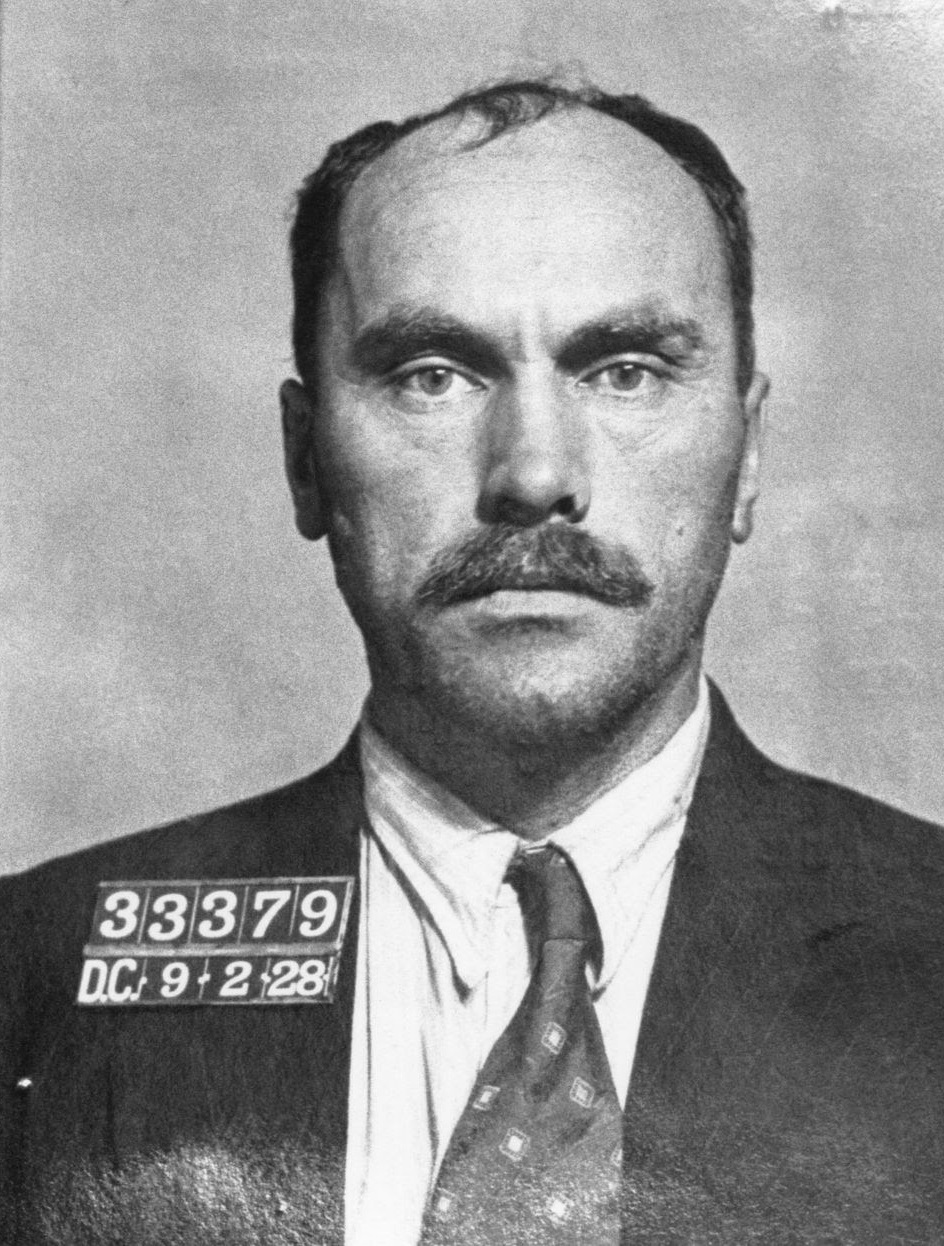
Mark Alan Smith: The Crimes of a Forgotten Serial Killer
Overview
Mark Alan Smith is an American serial killer and sexual predator responsible for the murders of four identified women in Arkansas and Illinois between December 1969 and May 1970. He also claimed that he had killed several unidentified women while serving with the United States Army in West Germany, although those additional confessions never resulted in criminal charges. Smith’s known crimes were characterized by abduction, sexual violence, strangulation, stabbing and deliberate efforts to conceal or distance himself from the victims’ bodies.
Smith was born on June 27, 1949, in Chicago, Illinois. Accounts of his childhood describe disturbing acts of violence beginning at an early age. As a schoolboy, he reportedly attempted to strangle a female classmate. In another incident, he repeatedly stabbed a six-year-old boy with a small knife. The child survived, and Smith was sent for psychiatric evaluation. These attacks did not result in the kind of long-term intervention that might have prevented his later escalation into lethal violence.
Smith entered the United States Army during the 1960s and was stationed in West Germany. He was court-martialed in 1967 after assaulting several fellow soldiers. After leaving the military and returning to the United States, he moved through Arkansas and Illinois, committing four confirmed murders in less than six months. His victims included a mother running errands, a woman using a laundromat, a young chemist working late and a high school student preparing for graduation.
Confirmed Victims
- Obie Fay Ash, 32 — December 3, 1969 — Mountain Home, Arkansas: Ash lived with her husband and three children near Cotter, Arkansas. She disappeared while running errands in Mountain Home. Smith abducted her, sexually assaulted her and killed her by strangulation and stabbing. He bound her body with wire and placed it inside her own automobile. The vehicle and her body were discovered later that day near the television repair business where Smith was working.
- Jean Irene Bianchi, 27 — January 27, 1970 — McHenry, Illinois: Bianchi was a married mother of two who disappeared from a laundromat on Elm Street in McHenry. Her laundry and an unfinished letter remained inside, indicating that she had not intended to leave for long. Smith forced her into his vehicle at knifepoint, sexually assaulted her and stabbed her repeatedly. He abandoned her near a partially frozen creek beneath a bridge. Her body was recovered three days later following an extensive search.
- Janice Louise Bolyard, 22 — February 27, 1970 — Des Plaines, Illinois: Bolyard was a Northwestern University graduate employed in the research and testing division of a chemical company. She was engaged to be married in June 1970. While she was working late at the company’s facility, Smith followed her into a secluded area, attacked and sexually assaulted her, and strangled her with an article of her clothing. Her body was discovered at the workplace after her fiancé reported her missing.
- Jean Ann Lingenfelter, 17 — May 27, 1970 — McHenry County, Illinois: Lingenfelter was an honors student at McHenry West High School and was approximately one week away from graduation. She left a friend’s home after studying for final examinations and was last seen entering Smith’s vehicle. Smith sexually assaulted, beat and strangled her before placing her body in the trunk of his car. He abandoned her near McCullom Lake in the Lakeland Park subdivision, where her body was discovered the following day.
The Murder of Obie Fay Ash
Smith’s first confirmed American victim was Obie Fay Ash, a 32-year-old mother living near Cotter, Arkansas. On the morning of December 3, 1969, Ash traveled to Mountain Home to complete ordinary errands. Her stops reportedly included local shopping centers and a drugstore near the town square. At some point during the day, she encountered Smith, who was then working as a handyman at a television repair shop.
Smith abducted Ash and took control of her automobile. He sexually assaulted and strangled her before stabbing her repeatedly. He then used wire to bind her body and placed her in the back seat of her own vehicle. The automobile was left near Smith’s workplace, where Ash was found later that day. The rapid discovery of the car preserved evidence connecting Smith to the killing, although he was not immediately prosecuted for the crime.
Ash left behind a husband and three children. Smith eventually admitted killing her, and Arkansas authorities secured a murder conviction and a life sentence. That sentence remained separate from the hundreds of years he later received for the Illinois murders.
The Abduction of Jean Bianchi
On January 27, 1970, Jean Bianchi went to a laundromat in McHenry. During the evening, she telephoned her husband and said that she would soon be coming home. She never arrived. When relatives and investigators examined the laundromat, they found her clothing and an unfinished letter, creating the impression that she had been interrupted suddenly.
Smith later admitted that he encountered Bianchi at the laundromat and forced her into his automobile while armed with a knife. He drove her away from the business, sexually assaulted her and stabbed her multiple times. He eventually left her near a creek beneath a bridge outside McHenry. Evidence indicated that Bianchi was still alive when Smith first attempted to abandon her and that he attacked her again when she tried to escape.
For three days, relatives, police officers and community volunteers searched the area. Bianchi’s body was finally recovered from the partially frozen water. Her disappearance and death deeply affected McHenry, particularly because she had vanished while performing an ordinary household task in a familiar public place.
The Workplace Murder of Janice Bolyard
One month after Bianchi’s murder, Smith killed Janice Bolyard at the chemical company where they both worked. Bolyard was a recent Northwestern University graduate building a professional career in chemical research. She was living in Evanston and preparing for her wedding, which was scheduled for June 20, 1970.
On February 27, Bolyard and Smith were among the employees working during the late evening. Smith followed her into an isolated part of the building and made sexual advances. When she resisted, he attacked her, rendered her unconscious and sexually assaulted her. He then strangled her. Her body remained inside the facility until it was discovered after she failed to return home and was reported missing by her fiancé.
The murder demonstrated Smith’s willingness to attack someone who knew him and to commit a killing inside his own workplace. He later participated in efforts surrounding Bolyard’s disappearance, presenting himself as a concerned coworker rather than the person responsible for her death.
The Murder of Jean Ann Lingenfelter
Jean Ann Lingenfelter disappeared on May 27, 1970, as she prepared to complete her senior year of high school. She had spent part of the evening studying at a friend’s home and was last seen getting into Smith’s automobile. Smith was not a stranger to the teenager’s social circle, having recently attended a school dance as part of a group that included Lingenfelter and her friends.
Smith drove Lingenfelter away, sexually assaulted her and subjected her to a severe beating before strangling her. He placed her body in the trunk of his automobile and transported it to the McCullom Lake area. Her body was left near a beach in the Lakeland Park subdivision and was discovered by a young couple on May 28.
Smith attempted to insert himself into the investigation and search effort. His behavior attracted attention when he appeared to know precisely where Lingenfelter’s body could be found. Investigators questioned him, and the inconsistencies in his conduct helped place him at the center of the case. Once under scrutiny, Smith began admitting not only Lingenfelter’s murder but also the killings of Bianchi, Bolyard and Ash.
Arrest and Confessions
The Lingenfelter investigation brought Smith’s brief but deadly series of American murders to an end. His suspicious involvement in the search, combined with evidence that Lingenfelter had entered his vehicle, gave authorities a direct path to him. During questioning, he displayed little concern for the victims and eventually confessed to the Illinois murders.
Smith also admitted responsibility for killing Obie Fay Ash in Arkansas. He provided accounts of the abductions and assaults that contained information known to investigators. His admissions connected crimes committed in different jurisdictions and revealed that the murders were not isolated incidents but part of a continuing pattern of predatory violence.
Smith later claimed that he had murdered women while stationed in West Germany. The number changed as he repeated and revised his story. At various times, he claimed responsibility for as many as eight killings overseas, while at other times reducing the number. German authorities did not prosecute him for those alleged crimes, and the identities, dates and locations of the supposed victims were never conclusively established. For that reason, the four American women remain his only fully identified and confirmed victims.
Convictions and Sentences
Smith pleaded guilty to the Illinois murders and was convicted of killing Jean Bianchi, Janice Bolyard and Jean Ann Lingenfelter. In 1971, the Illinois courts imposed consecutive sentences totaling 500 years in prison. He avoided execution during a period when the legal use of the death penalty was undergoing major constitutional challenges.
Arkansas separately convicted Smith of the first-degree murder of Obie Fay Ash and sentenced him to life imprisonment. The Arkansas sentence ensured that even if he were ever granted parole in Illinois, he could be transferred to Arkansas to continue serving time for Ash’s murder.
On April 27, 1977, Smith attempted to escape from the Pontiac Correctional Center through an area connected to the prison’s boiler room. The attempt failed, and he received an additional prison sentence after pleading guilty. The escape reinforced prosecutors’ arguments that he remained dangerous and should never be released.
Parole Proceedings
Because Smith was sentenced under older Illinois laws, he has periodically been permitted to seek parole despite the extraordinary length of his prison terms. Each hearing has forced the victims’ relatives to revisit the details of the murders and argue that his crimes demonstrate a continuing threat to the public.
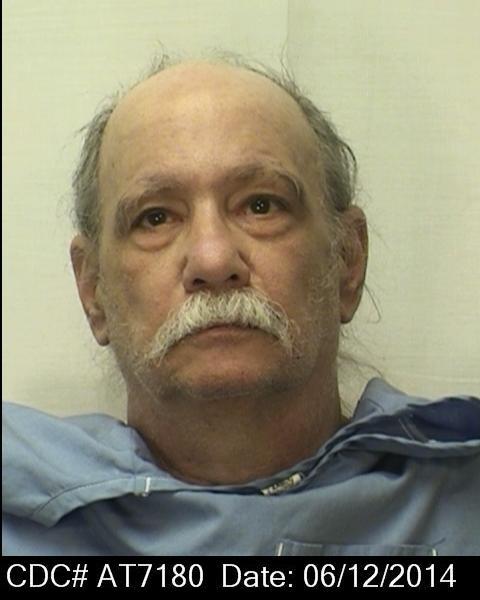
Smith has claimed that he changed during his decades of incarceration. He has used the name Remington Steele and has described himself as rehabilitated. Parole boards have repeatedly rejected those claims, placing greater weight on the calculated brutality of the crimes, his history of violence and the devastating effect his release would have on the victims’ surviving relatives.
Unconfirmed Crimes and Suspicions
Investigators have considered the possibility that Smith committed additional murders during his military service and while traveling through different parts of the United States. He was questioned about unsolved cases in several states and overseas. Prosecutors once suggested that his true victim count might be substantially higher than the four murders proven against him.
Smith was also examined as a possible suspect in other prominent unsolved crimes, including the 1966 murder of Valerie Percy in Kenilworth, Illinois. No reliable evidence has publicly established that he killed Percy, and he was never charged in connection with her death. His shifting stories and tendency to alter his confessions have made it difficult to distinguish truthful admissions from exaggeration or manipulation.
Legacy of the Case
Mark Alan Smith has sometimes been described as a forgotten serial killer because his crimes were overshadowed by later Illinois murder cases that received far greater national publicity. His relative lack of notoriety does not diminish the scale of suffering he caused. Four women with families, careers and futures were murdered within a period of less than six months.
Obie Fay Ash was a mother of three completing routine errands. Jean Bianchi was a mother of two preparing to return home from a laundromat. Janice Bolyard was a young scientist planning her wedding. Jean Ann Lingenfelter was a high school senior about to graduate. Their deaths exposed a pattern of escalating violence that crossed state lines and ended only when Smith’s behavior during the final investigation directed police attention toward him.
The confirmed record establishes Smith as a calculating sexual predator who repeatedly approached women in ordinary settings, gained control through force and attempted to disguise his responsibility afterward. Although the full number of his victims may never be known, the verified murders of Ash, Bianchi, Bolyard and Lingenfelter resulted in convictions that have kept him imprisoned for decades.