Crime Solvers Central
298 Cases Solved. Advancing justice for missing persons, unsolved homicides, unidentified and unclaimed remains.
⚠️ Warning: Viewer Discretion Advised ⚠️ The following section contains detailed information about serial killers, their crimes, and case details. Some content may be disturbing or graphic.

Description

See any errors? Let us know!
Summary based on 17 sources

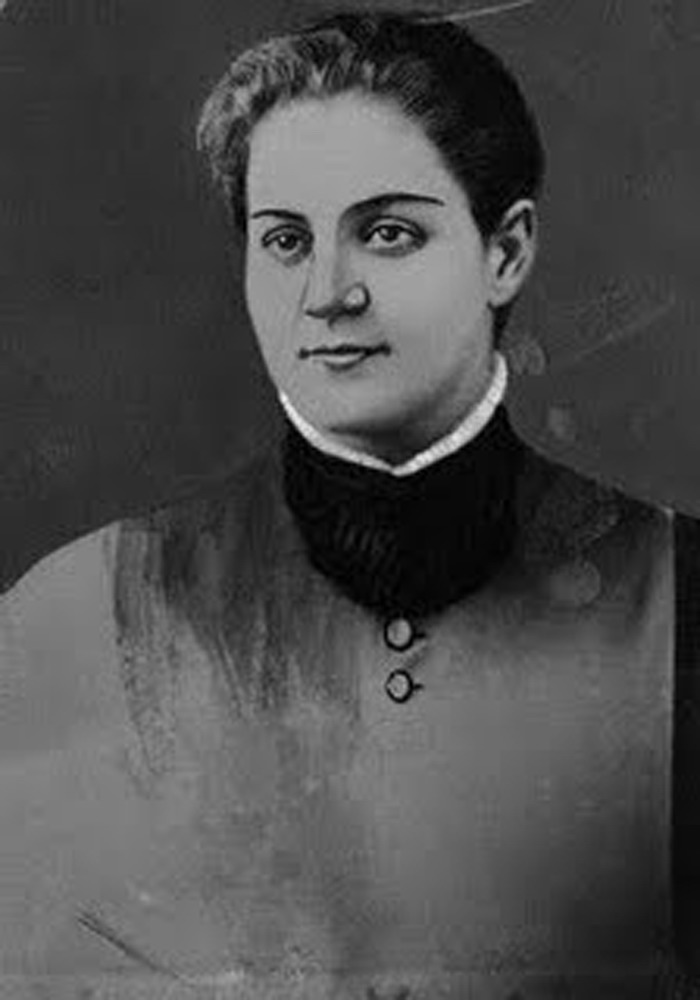
Jane Toppan: The Poisoning Nurse Known as “Jolly Jane”


Early Life

Jane Toppan was an American nurse and serial poisoner who murdered patients, employers, friends, relatives, and members of families who trusted her with their care. Born Honora Kelley in Boston, Massachusetts, on March 31, 1854, she experienced an unstable and impoverished childhood. Her mother died when Honora was young, and her father, Peter Kelley, was reportedly an abusive alcoholic whose increasingly erratic behavior made him unable to care for his children. In 1860, Honora and her sister Delia were placed in the Boston Female Asylum. In November 1862, Honora was sent to work as an indentured servant in the Lowell, Massachusetts, home of Ann Toppan. Although she was never formally adopted, she began using the Toppan surname and eventually called herself Jane. She remained connected to the family after completing her period of service and developed a particularly important relationship with the family’s biological daughter, Elizabeth Toppan Brigham.

Nursing Career and Drug Experiments

In 1885, Toppan entered nursing training at Cambridge Hospital. She appeared cheerful, capable, and attentive, leading coworkers and patients to nickname her “Jolly Jane.” Behind that pleasant public image, however, she secretly experimented on vulnerable patients with medications. She altered dosages, falsified medical records, and watched the effects of drugs on people who had no idea they were being used as test subjects. Toppan primarily used morphine and atropine. Morphine could suppress breathing and cause unconsciousness, while atropine could produce confusion, agitation, an abnormal heartbeat, and other serious symptoms. By administering the drugs in varying quantities, she could make a patient improve temporarily, relapse, or die after what appeared to be a natural deterioration. Some accounts also connect her crimes to strychnine and other poisons. Her conduct eventually caused concern. She was recommended for work at Massachusetts General Hospital in 1889 but was dismissed the following year. She later returned to Cambridge Hospital and was again discharged after allegations that she had administered opiates improperly. Despite these warning signs, she obtained work as a private-duty nurse. This gave her unsupervised access to patients’ homes, food, medicine, and personal property.

The Beginning of the Confirmed Murders

The earliest victim Toppan later specifically identified was Israel Dunham, an elderly landlord for whom she provided care. Dunham died on May 26, 1895. His advanced age and apparent illness prevented the death from immediately attracting suspicion. Two years later, Toppan poisoned his wife, Lovey Dunham, who died on September 19, 1897. These deaths established a pattern that Toppan repeatedly exploited. She selected people who were elderly, sick, dependent, or surrounded by circumstances that made a sudden death appear plausible. As a nurse, she was expected to handle medication and remain near a patient during periods of illness. Her professional status allowed her to cause or intensify symptoms while presenting herself as the person attempting to save the victim.

The Murder of Elizabeth Brigham

One of Toppan’s most personal crimes was the murder of her foster sister, Elizabeth Toppan Brigham. Elizabeth had grown up as the biological daughter of the family in which Jane had served. Although the women had maintained a relationship, Jane reportedly felt jealousy and resentment toward Elizabeth’s social position and family life. During a visit in August 1899, Toppan prepared food or mineral water containing poison for Elizabeth. As Elizabeth became gravely ill, Jane remained nearby and acted as though she were caring for her. Elizabeth Brigham died on August 29, 1899, at the family’s summer property in Cataumet, Massachusetts. The death was not immediately recognized as a murder.

Murders of Patients and Associates

Toppan continued poisoning people during private nursing assignments. Mary McNear, an elderly patient, died on December 29, 1899. Florence Calkins, a housekeeper connected to Elizabeth Brigham’s household, died on January 15, 1900. William Ingraham, another patient, died on January 27, 1900. Sarah “Myra” Connors, who was both a patient and an acquaintance of Toppan, died on February 11, 1900. These deaths occurred close enough together to demonstrate the frequency with which Toppan was operating, yet they involved different households and were attributed to illness or natural causes. There was no central system through which physicians or authorities could easily recognize that the same nurse had been present during multiple suspicious deaths.

The Davis Family Poisonings

The series of deaths that finally exposed Toppan involved the family of Alden and Mattie Davis. Mattie Davis was an old friend of Toppan. In the summer of 1901, Mattie became ill while visiting Toppan in Cambridge. Instead of recovering under the nurse’s care, her condition worsened. Mattie died on July 4, 1901. Toppan accompanied Mattie’s body to the Davis family’s summer home in Cataumet. She remained with the grieving household, presenting herself as a trusted nurse and family friend. Her presence placed several emotionally vulnerable relatives under her direct control. Edna Bannister, a relative connected to the Toppan and Brigham families, had already died on June 19, 1901. During the following weeks, members of the Davis household died one after another. Genevieve “Annie” Gordon, a daughter of Alden and Mattie Davis, died on July 30, 1901. Alden Davis died on August 8, 1901. Mary “Minnie” Gibbs, another Davis daughter, died on August 13, 1901. The rapid destruction of the family was difficult to explain as coincidence. Relatives became suspicious, particularly because several previously healthy people had developed similar symptoms while Toppan was caring for them. Minnie Gibbs’s father-in-law, Captain Paul Gibbs, pressed for a formal investigation.

Confirmed and Identified Victims

  • Israel Dunham — Died May 26, 1895, in Massachusetts. He was an elderly landlord and patient cared for by Toppan.
  • Lovey Dunham — Died September 19, 1897, in Massachusetts. She was Israel Dunham’s wife and was poisoned after her husband’s death.
  • Elizabeth Toppan Brigham — Died August 29, 1899, in Cataumet, Massachusetts. She was Toppan’s foster sister.
  • Mary McNear — Died December 29, 1899, in Massachusetts. She was an elderly private patient.
  • Florence Calkins — Died January 15, 1900, in Massachusetts. She worked as a housekeeper in a household connected to Elizabeth Brigham.
  • William Ingraham — Died January 27, 1900, in Massachusetts. He was a patient under Toppan’s care.
  • Sarah “Myra” Connors — Died February 11, 1900, in Massachusetts. She was described as both a patient and a friend of Toppan.
  • Edna Bannister — Died June 19, 1901, in Massachusetts. She was a relative connected to the Brigham family.
  • Mary Louise “Mattie” Davis — Died July 4, 1901, after becoming ill while visiting Toppan in Cambridge, Massachusetts.
  • Genevieve “Annie” Davis Gordon — Died July 30, 1901, in Cataumet, Massachusetts. She was a daughter of Alden and Mattie Davis.
  • Alden P. Davis — Died August 8, 1901, in Cataumet, Massachusetts. He was the husband of Mattie Davis.
  • Mary “Minnie” Davis Gibbs — Died August 13, 1901, in Cataumet, Massachusetts. She was another daughter of Alden and Mattie Davis.


Investigation and Arrest

Authorities exhumed members of the Davis family and conducted toxicological examinations. Evidence of poisoning, particularly involving morphine, transformed the unusual collection of deaths into a murder investigation. Investigators began reviewing other deaths associated with Toppan and discovered that suspicious fatalities had followed her through hospitals, private homes, and personal relationships. Jane Toppan was arrested on October 29, 1901. She initially faced charges connected to the death of Minnie Gibbs, but the investigation expanded as authorities examined the deaths of other Davis family members and people previously placed in Toppan’s care. Because many suspected victims had been buried for years, proving every case was impossible. Medical records were incomplete, natural decomposition had destroyed evidence, and some bodies could not provide useful toxicological results. Toppan was formally connected to 12 murders, but the true number of people she poisoned remains uncertain.

Confession and Motives

During examinations and conversations with her attorneys, Toppan reportedly confessed to killing 31 people. She claimed that she wanted to kill more helpless people than any other man or woman who had ever lived. Some later estimates have attributed a far larger number of suspicious deaths to her, but those claims could not be conclusively established. Toppan described motives that went beyond financial benefit or a desire to end suffering. She reportedly experienced intense excitement from controlling a victim’s movement between consciousness and unconsciousness. She sometimes remained physically close to victims as the drugs took effect and admitted deriving gratification from watching them weaken and die. Other murders appear to have involved jealousy, resentment, convenience, or personal gain. Elizabeth Brigham may have been killed because Toppan envied her. Toppan also poisoned people temporarily when doing so helped her obtain work, sympathy, attention, or control over a household. Her behavior was therefore not consistent with a nurse who mistakenly believed she was relieving suffering. She deliberately created medical emergencies and prolonged distress for her own satisfaction.

Trial and Commitment

Toppan was tried in Barnstable County, Massachusetts, in June 1902. The central question was not simply whether she had poisoned her victims, but whether she was legally responsible for her actions. Medical experts examined her and testified about her mental condition. Although Toppan reportedly insisted that she understood her actions and knew they were wrong, the jury found her not guilty by reason of insanity on June 23, 1902. She was committed to the Taunton Insane Hospital for the remainder of her life rather than sent to prison or executed. She remained institutionalized for more than three decades. Reports from the hospital described periods during which she became fearful that nurses or attendants were attempting to poison her. She never returned to society and was never tried separately for the remaining suspected murders.

Death and Legacy

Jane Toppan died at the Taunton State Hospital in Taunton, Massachusetts, on August 17, 1938. She had spent approximately 36 years in institutional custody. Her crimes remain among the most notorious examples of serial murder committed within a medical setting. Toppan’s case demonstrated how professional trust could be transformed into a weapon. Her victims and their families believed that a trained nurse was providing comfort during illness. Instead, she manipulated medication, fabricated symptoms, and used her authority to conceal deliberate poisonings. Although 12 victims are commonly identified by name and Toppan confessed to 31 killings, the complete number of her victims will probably never be known. Numerous patients died during her hospital training and private nursing career, but surviving records are insufficient to determine which deaths were natural and which were caused by her. Her carefully maintained image as “Jolly Jane” allowed her to move among vulnerable people for years before the deaths of the Davis family finally exposed her.

Victims

See any mistakes? Let us know!
Confirmed Victims: (12)
  • Israel Dunham Age: (83), Date of Death: May 26, 1895
  • Lovely Dunham Age: (87), Date of Death: September 19, 1897
  • Elizabeth Brigham Age: (70), Date of Death: August 29, 1899
  • Mary McNear Age: (70), Date of Death: December 28, 1899
  • Florence Calkins Age: (45), Date of Death: January 15, 1900
  • William Ingraham Age: (70), Date of Death: January 27, 1900
  • Sarah (Myra) Connors Age: (48), Date of Death: February 11, 1900
  • Mattie Davis Age: (62), Date of Death: July 4, 1901
  • Genevieve Gordon (Annie) , Date of Death: July 31, 1901
  • Alden Davis Age: (64), Date of Death: August 8, 1901
  • Mary (Minnie) Gibbs Age: (40), Date of Death: August 13, 1901
  • Edna Bannister Age: (77), Date of Death: August 26, 1901