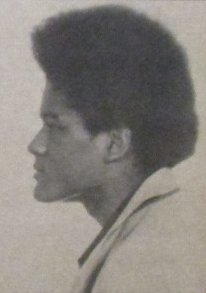
Raymond Carl Taylor and the McCrary-Taylor Crime Spree
Background
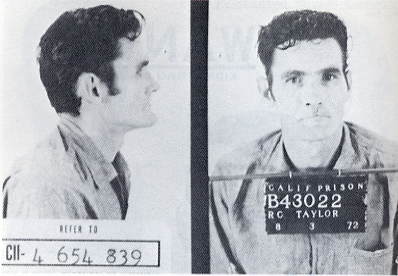
Raymond Carl Taylor, commonly called Carl Taylor and sometimes identified in records as Raymond Taylor, was a central participant in the violent activities of the McCrary-Taylor crime family. The group operated across the western and southern United States during the early 1970s and became associated with a series of robberies, kidnappings, sexual assaults and murders. Because several victims were abducted from late-night doughnut shops, the cases became widely known as the “Donut Shop Murders.”
Taylor was married to Ginger McCrary, the daughter of Sherman Ramon McCrary and Carolyn McCrary. Other members of the group included Ginger’s brother, Danny McCrary. Sherman McCrary and Taylor were regarded as the principal attackers, while the remaining relatives were accused of assisting them, accompanying them during crimes or helping the family avoid detection. The group traveled frequently, used different vehicles and crossed state lines, making it difficult for individual police departments to recognize that seemingly unrelated crimes were connected.
Development of the Crime Spree
The family’s known series of killings began during the summer of 1971. Taylor and Sherman McCrary frequently targeted businesses staffed by young women working alone at night. The men would enter a shop as customers or robbers, take money and then abduct an employee. The victim could be transported far from the original crime scene, sexually assaulted and killed in an isolated area. The movement of victims across county and state boundaries created confusion over which agency was responsible for each investigation.
Investigators later determined that the same weapons, vehicles, criminal methods and traveling suspects appeared in cases separated by hundreds of miles. Ballistics examinations were especially important because bullets and cartridge evidence connected several shootings. Witnesses also identified Sherman McCrary and Taylor as men seen in or near businesses shortly before employees disappeared.
Victims Linked to Taylor and the McCrary Family
- Sheri Lee Martin – August 17, 1971 – South Salt Lake, Utah: Seventeen-year-old Sheri Martin disappeared while working at a Winchell’s Donut House in the Salt Lake City area. Money was missing from the business, and witnesses remembered two men who had been inside the shop. Her body was later discovered near Wendover, close to the Utah-Nevada border. She had been sexually assaulted and fatally shot. A witness subsequently identified Sherman McCrary and Raymond Carl Taylor as the men seen in the shop.
- Leeora Rose Looney – August 20, 1971 – Lakewood, Colorado: Twenty-year-old Leeora Looney was abducted from the doughnut shop where she worked. Her purse and automobile were left behind, the cash register had been opened and approximately $100 was missing. Looney was taken away, restrained with her own stockings, sexually assaulted and repeatedly shot. Her body was abandoned in a remote area. Taylor and Sherman McCrary were later convicted in connection with her kidnapping and murder.
- Elizabeth Steffens – September 1971 – Lubbock, Texas: Twenty-six-year-old Elizabeth Steffens disappeared in Lubbock during September 1971. Her remains were found approximately three months later. Taylor and Sherman McCrary reportedly gave statements admitting responsibility for her killing, although no separate murder conviction was obtained in her case. Her death became one of the crimes most directly connected to the men through their own accounts.
- Forrest Raymond Covey – October 17, 1971 – Mesquite and Quinlan, Texas: Twenty-four-year-old Forrest Covey was abducted with his wife from a grocery store in Mesquite. The couple was taken to an abandoned barn near Quinlan. Accounts of the crime indicate that Forrest was killed first while Jena was forced to witness the attack. Danny McCrary was later arraigned in connection with the robbery and murders.
- Jena Donell Houchin Covey – October 17, 1971 – Mesquite and Quinlan, Texas: Nineteen-year-old Jena Covey was working at the grocery store from which she and Forrest were abducted. After Forrest was killed, Jena was also murdered. Their bodies were discovered in the barn several days later. The double homicide was eventually linked to members of the McCrary family’s traveling crime group.
- Susan Darlene Shaw – October 1971 – Mesquite, Texas: Sixteen-year-old Susan Shaw was another young Mesquite victim whose murder was investigated alongside the Covey killings. Contemporary investigators initially considered several suspects before evidence and later developments connected the crimes to the McCrary family. Shaw’s case contributed to the growing realization that a mobile group of offenders was attacking young women and couples in multiple jurisdictions.
The Murder of Leeora Looney
The Looney case became the prosecution that most clearly established Taylor as a convicted murderer. On the evening of August 20, 1971, Leeora was reported missing after the Lakewood doughnut shop where she worked was found unattended. Her vehicle remained outside, and her personal belongings had been left behind. The open cash register and missing money initially suggested a robbery, but investigators quickly realized that the employee had been forcibly taken from the business.
Looney was transported away from the shop and subjected to prolonged violence. Her hands and feet were bound, and she was sexually assaulted before being shot numerous times with a .38-caliber firearm. The unnecessary brutality of the attack demonstrated that the purpose of the abduction extended far beyond stealing money. Investigators believed that domination, sexual violence and murder had become central features of the offenders’ behavior.
During later questioning, Sherman McCrary described the circumstances surrounding the robbery and killing. Physical evidence and witness information supported the prosecution’s case. A Colorado grand jury indicted McCrary, Taylor and other family members in November 1972. Taylor and McCrary were ultimately convicted and sentenced to life imprisonment for their roles in Looney’s kidnapping and murder.
Robberies, Abductions and Suspected Murders
Authorities examined the family in connection with as many as 20 or more murders, although the precise number attributable to Taylor was never established in court. Investigators found similarities among cases in Colorado, Texas, Utah, Nevada, Florida, Missouri and other states. Many of the victims were young female employees who vanished from small businesses during evening or overnight shifts. Others were couples encountered during robberies.
The offenders frequently removed victims from the original scene, reducing the amount of evidence available to local police. Bodies were left in deserts, fields, barns or remote areas far from the businesses where the abductions occurred. By the time remains were discovered, the family could be several states away. The group’s constant movement allowed its members to continue committing crimes before investigators could circulate descriptions or compare evidence.
Not every murder investigated by the multistate task force resulted in charges. Some alleged connections were based on similar methods, the family’s known travel route, ballistics evidence or statements made during interrogation. Taylor and McCrary also accused one another of committing particular killings, complicating efforts to determine each man’s exact role. For that reason, several deaths remain attributed to the family collectively rather than conclusively assigned to one offender.
Collapse of the Family’s Criminal Operation
The crime spree began to unravel in June 1972 after a failed robbery in Santa Barbara, California. During the confrontation, Taylor wounded a police officer and escaped. Authorities launched an intensive search, and investigators soon identified him as a member of the Texas family already suspected in violent crimes across several states.
Taylor fled California with Ginger and their children, but they were captured in Texas several weeks later. Sherman, Carolyn and Danny McCrary were also taken into custody. Once the family members were separated and interrogated, their accounts began exposing the extent of the group’s activities. Taylor and Sherman McCrary each attempted to shift responsibility onto the other, but their statements also supplied investigators with information about previously unconnected murders.
Investigation and Prosecution
Local police departments, state investigators and the Federal Bureau of Investigation compared reports from multiple jurisdictions. Ballistics testing showed that the same firearm had been used in separate killings, providing physical evidence that a traveling group was responsible. Witness identifications, vehicle descriptions and the family’s movements strengthened the connections among the cases.
In Colorado, Taylor and Sherman McCrary were prosecuted for the kidnapping and murder of Leeora Looney. Both received life sentences. Other family members faced charges based on their participation in the abduction, their presence during the crime or their assistance afterward. Danny McCrary was separately prosecuted for crimes connected to the Texas killings.
Imprisonment and Legacy
Raymond Carl Taylor remained imprisoned in Colorado under a life sentence. Sherman McCrary also received a life term and died by suicide in prison in 1988. The convictions ended the family’s ability to continue its mobile campaign of robbery and violence, but they did not resolve every homicide attributed to the group.
Taylor’s case illustrates the investigative difficulties created by offenders who travel continuously and commit crimes in different jurisdictions. Before computerized databases and rapid interstate information sharing became common, police agencies could spend months investigating similar crimes without realizing that the same suspects were involved. The McCrary-Taylor investigation eventually required cooperation among numerous departments and the comparison of forensic evidence collected across the country.
Although Taylor was convicted of the Looney murder, law-enforcement officials believed that he and the McCrary family were responsible for a considerably larger number of deaths. The verified killings of Sheri Martin, Leeora Looney, Elizabeth Steffens, Forrest Covey and Jena Covey represent only part of the violence associated with the group. The unresolved questions surrounding other suspected victims remain a lasting part of the Donut Shop Murders and the McCrary-Taylor family’s criminal history.