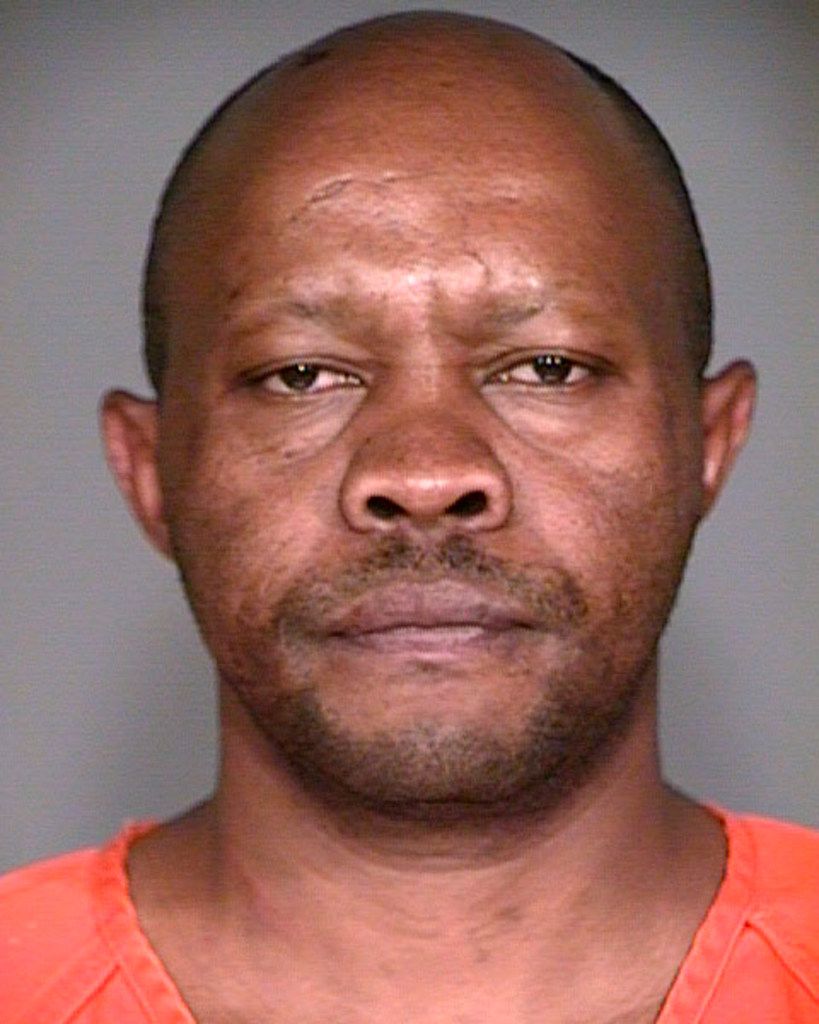
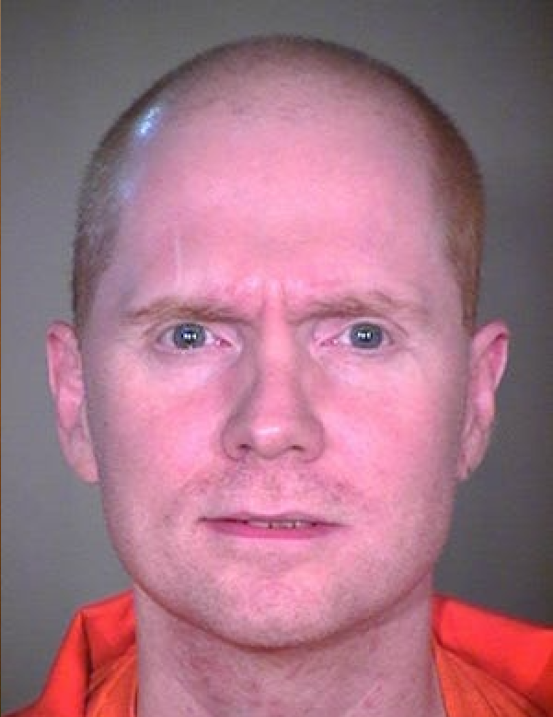
Syvasky Lafayette Poyner: The 1984 Tidewater Murder Spree
Overview
Syvasky Lafayette Poyner was an American murderer responsible for killing five women during an eleven-day robbery spree in southeastern Virginia. The crimes occurred between January 23 and February 2, 1984, in Hampton, Williamsburg and Newport News. Although Poyner is sometimes described as a serial killer, the brief and uninterrupted nature of the murders more closely fits the modern definition of a spree killer.
Poyner selected female employees and business operators who appeared to be alone and vulnerable. He entered their workplaces or approached them in public, displayed a .38-caliber revolver and demanded money. Even when the victims cooperated and offered no resistance, he shot them to prevent them from identifying him. Four of the victims were adult women, while the fifth was a 17-year-old store clerk.
Early Life and Criminal Background
Syvasky Lafayette Poyner was born on April 7, 1956, in Newport News, Virginia. He grew up in the city’s East End and began having serious legal problems during adolescence. By the age of 14, he had entered the juvenile justice system for theft-related offenses. Evaluations conducted during his teenage years described emotional insecurity, depression, suspicious behavior and difficulty functioning socially.
Poyner’s criminal behavior continued into adulthood. His record included automobile theft, burglary and forgery. He served nearly three years in prison for burglary and forgery convictions before being released. By early 1984, he was living in Newport News and working at a fast-food restaurant.
The five murders were driven primarily by robbery and witness elimination. Poyner frequently stole automobiles before searching for a business or individual to rob. He later told investigators that he deliberately chose women because he believed they would be frightened by a gun and easier to control. He also said that he killed the victims because inmates he had met during earlier prison terms had told him that robbers should eliminate witnesses.
The Murder of Joyce Matthews Baldwin
Poyner began his killing spree shortly before noon on January 23, 1984. After stealing an automobile, he drove around Hampton until he impulsively selected a beauty salon located in a small shopping center.
Inside the salon, 45-year-old Joyce Matthews Baldwin believed that Poyner was a customer. She greeted him and began discussing hair-care products. Poyner suddenly produced his revolver and demanded money. Baldwin opened the cash register and placed approximately $40 to $60 into a bag.
After receiving the money, Poyner ordered Baldwin toward the rear of the salon. She complied and pleaded for him to spare her life. Poyner nevertheless shot her once in the back of the head from several feet away. She was found behind the salon counter. The robbery produced only a small amount of money, and there was no evidence that Baldwin had physically resisted him.
The Raleigh Motel Double Murder
Seven days later, on January 30, 1984, Poyner stole another automobile in Hampton and drove to Williamsburg. At approximately noon, he stopped at the Raleigh Motel and entered its office intending to commit another robbery.
The motel manager, Clara Louise Paulette, was working in the office. Poyner pointed his revolver at her and demanded money. Paulette told him that he had arrived at a bad time because little cash was available, but she surrendered approximately $40.
During the robbery, motel housekeeper Chestine Brooks entered an adjoining area and realized what was happening. She retreated into a small kitchen area and sat with her head bowed. Poyner ordered both women to stand facing a kitchen counter with their backs toward him.
Paulette and Brooks followed every instruction. Neither woman attempted to fight, scream or escape. After taking the money, Poyner shot each woman in the back of the head at close range. Both died inside the motel office area.
The Murder of Vicki Ripple
Poyner killed again the following day. On the morning of January 31, 1984, he stole another automobile and drove through Newport News. Near noon, he noticed 17-year-old Vicki Ripple working alone at a High’s Ice Cream store.
Ripple was a teenage employee who was also described as a nursing student. She was cleaning the store when Poyner entered. He pointed the revolver at her and demanded the contents of the cash register. Ripple placed the money into a bag and handed it to him.
After complying with the robbery, Ripple moved into a corner of the store and covered her head. Poyner shot her in the back of the head and left her dying inside the business. As in the earlier crimes, the killing was unnecessary to complete the robbery and was committed solely to prevent the victim from later identifying him.
The Abduction, Rape and Murder of Carolyn Hedrick
On February 2, 1984, Poyner walked from his Newport News home toward Hampton. At approximately noon, he saw 44-year-old Carolyn Elizabeth Joyner Hedrick leaving a store and approaching her automobile.
Hedrick worked as a candy saleswoman and had a quantity of candy bars in her vehicle. Poyner approached her with his revolver, demanded money and forced her into the passenger seat. He entered the driver’s side and drove away in her car.
While driving, Poyner ordered Hedrick to remove her clothing. He later claimed that he did so because he believed she would be less likely to jump from the vehicle or attempt to escape. He drove to a parking area behind a church, where he sexually assaulted her.
After the assault, Hedrick sat crying and begging him not to kill her. Poyner shot her in the left side of the head, took no more than approximately $40 from her purse and pushed her body out of the automobile. Her nude body was discovered in the church parking lot in Newport News.
Poyner drove away in Hedrick’s vehicle and spent part of the afternoon traveling around the Newport News area. He stopped at a barber shop and attempted to sell candy bars that he had found inside the car. That decision played an important role in identifying him as a suspect.
Confirmed Victims
- Joyce Matthews Baldwin, 45 — Murdered on January 23, 1984, inside the beauty salon she operated in Hampton, Virginia. Poyner robbed her of approximately $40 to $60 and shot her in the back of the head.
- Clara Louise Paulette — Murdered on January 30, 1984, at the Raleigh Motel in Williamsburg, Virginia. Paulette was the motel manager and surrendered approximately $40 before Poyner shot her in the back of the head.
- Chestine Brooks, 43 — Murdered on January 30, 1984, at the Raleigh Motel in Williamsburg, Virginia. Brooks was a motel housekeeper who entered during the robbery and was forced to face a counter before being shot in the back of the head.
- Vicki Ripple, 17 — Murdered on January 31, 1984, inside a High’s Ice Cream store in Newport News, Virginia. She surrendered the register money and moved into a corner before Poyner shot her in the back of the head.
- Carolyn Elizabeth Joyner Hedrick, 44 — Abducted, sexually assaulted, robbed and murdered on February 2, 1984. Her body was left in a church parking lot in Newport News, Virginia, after Poyner shot her in the head and stole her automobile.
Investigation and Arrest
Police agencies in Hampton, Williamsburg and Newport News quickly recognized similarities among the five killings. Each victim was female, each had been robbed and each had suffered a gunshot wound to the head. The murders occurred near midday and within the same general Tidewater region of Virginia.
The investigation accelerated after Hedrick’s murder. A barber reported that a suspicious man had entered his shop and attempted to sell a large quantity of candy bars. The barber’s description helped investigators identify Poyner. Hedrick’s automobile was recovered on February 3 near the church parking lot where her body had been found. Poyner’s fingerprints were discovered inside, and witnesses reported seeing him driving the vehicle.
Police arrested Poyner at his Newport News residence during the early morning hours of February 4, 1984. A search of his home uncovered the keys to Hedrick’s automobile and a .38-caliber revolver concealed beneath his mattress. Ballistics testing connected the weapon to Hedrick’s murder.
During questioning, Poyner initially attempted to mislead detectives about certain locations. He eventually admitted killing Hedrick and then confessed to all five murders. Approximately fourteen hours after the first confession, he signed a written waiver of his rights and provided a videotaped account of the crimes.
Trials and Death Sentences
Because the murders occurred in three independent Virginia jurisdictions, Poyner faced separate proceedings in Williamsburg, Hampton and Newport News.
On June 6, 1984, a Williamsburg jury convicted him of the capital murders of Clara Louise Paulette and Chestine Brooks. The jury concluded that he posed a continuing danger to society and recommended a death sentence for each killing.
On June 13, 1984, Poyner was tried before a judge in Hampton for the murders of Joyce Baldwin and Carolyn Hedrick. The court found him guilty of two counts of capital murder as well as additional offenses connected with Hedrick’s abduction and sexual assault. He received two more death sentences.
His final capital murder trial was held in Newport News. On July 11, 1984, a jury convicted him of murdering Vicki Ripple during the commission of a robbery. The jury recommended another death sentence, giving Poyner five separate death sentences for five murders.
Appeals
Poyner appealed his convictions and sentences through the Virginia and federal court systems. His attorneys challenged the admissibility of his confessions, the wording of the warnings given to him before interrogation, the effectiveness of his trial attorneys and the constitutionality of Virginia’s death-penalty procedures.
The Supreme Court of Virginia upheld all five capital murder convictions in 1985. The United States Supreme Court declined to review the case. Poyner later filed state and federal petitions for habeas corpus relief, but the courts rejected his arguments and allowed the death sentences to remain in effect.
Near the end of the appeals process, his attorneys also argued that execution in Virginia’s electric chair could inflict unconstitutional pain. The final attempt to obtain a stay was unsuccessful.
Execution
Syvasky Lafayette Poyner was executed in Virginia’s electric chair on March 18, 1993, at Greensville Correctional Center near Jarratt. He was 36 years old.
Before the execution, a chaplain read a statement in which Poyner asked for forgiveness and expressed sorrow for the suffering he had caused. He was pronounced dead at 11:13 p.m.
Legacy of the Case
Poyner’s crimes created widespread fear throughout Virginia’s Tidewater region because the victims were attacked in familiar public settings during daylight hours. The beauty salon, motel and ice cream store were ordinary workplaces, and the victims were killed despite surrendering money and obeying his commands.
The case demonstrated how quickly a robbery offender could escalate into repeated murder. Poyner killed five people within eleven days and used stolen vehicles to move between neighboring jurisdictions. His capture depended on cooperation among several police departments, physical evidence recovered from Hedrick’s car and the alert barber who reported Poyner’s attempt to sell stolen candy.
Although the amount of money stolen in each crime was relatively small, Poyner consistently chose to kill the witnesses. His own statements established that the murders were deliberate acts of witness elimination rather than impulsive shootings committed during resistance. The five convictions and five death sentences reflected the calculated and repetitive nature of the crimes.