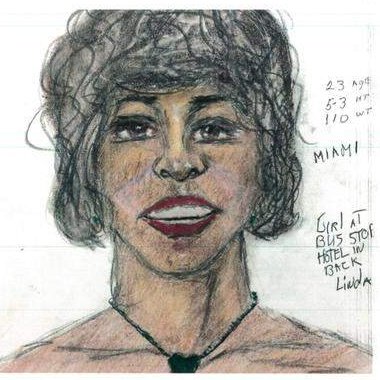
Dorothy Gibson, a 17-year-old runaway, was tragically murdered on May 11, 1977, in Miami, Florida. She was strangled outside a downtown Miami hotel by Samuel Little, a serial killer who later confessed to her murder. Little, who is considered one of the most prolific serial killers in American history, admitted to killing Gibson decades after the crime had been committed.
His confession came as part of a broader effort by authorities to close cold cases linked to his extensive killing spree.
At the time of her death, Gibson had been living on the margins of society. According to Little’s confession, he encountered her near a bus station and arranged to have sex with her. However, when he refused to pay her, he strangled her and left her body in the bushes behind the hotel. This brutal act was part of a pattern for Little, who primarily targeted vulnerable women, often those struggling with homelessness or addiction.
Initially, the murder was wrongly attributed to Jerry Frank Townsend, a man with an IQ of 58, who falsely confessed to Gibson’s killing along with several others. Townsend’s wrongful conviction was later overturned when Little’s confession provided the true details of the crime. Authorities determined that Townsend had been coerced into confessing, and his conviction was vacated, highlighting the flaws in the justice system that had led to his imprisonment.
Little’s confession was deemed credible by the FBI, which had been working to verify his claims regarding numerous murders across the country. He had been serving multiple life sentences for other killings when he admitted to Gibson’s murder. Despite his confession, he was not formally charged for her death, as he was already incarcerated for other crimes. The Miami-Dade State Attorney’s Office cleared the case, citing the need to provide closure to Gibson’s next of kin.
Samuel Little’s crimes spanned several decades, with victims in multiple states. His method of killing—strangulation—often left authorities struggling to determine the exact cause of death, leading to many cases being initially classified as overdoses or accidental deaths. His eventual confessions helped law enforcement agencies across the country resolve numerous cold cases, bringing long-awaited answers to the families of his victims.
Dorothy Gibson’s murder remains a tragic example of the vulnerabilities faced by young runaways and the failures of the justice system in properly identifying perpetrators. While her case was ultimately solved, the wrongful conviction of Townsend serves as a stark reminder of the importance of thorough investigations and the dangers of coerced confessions.