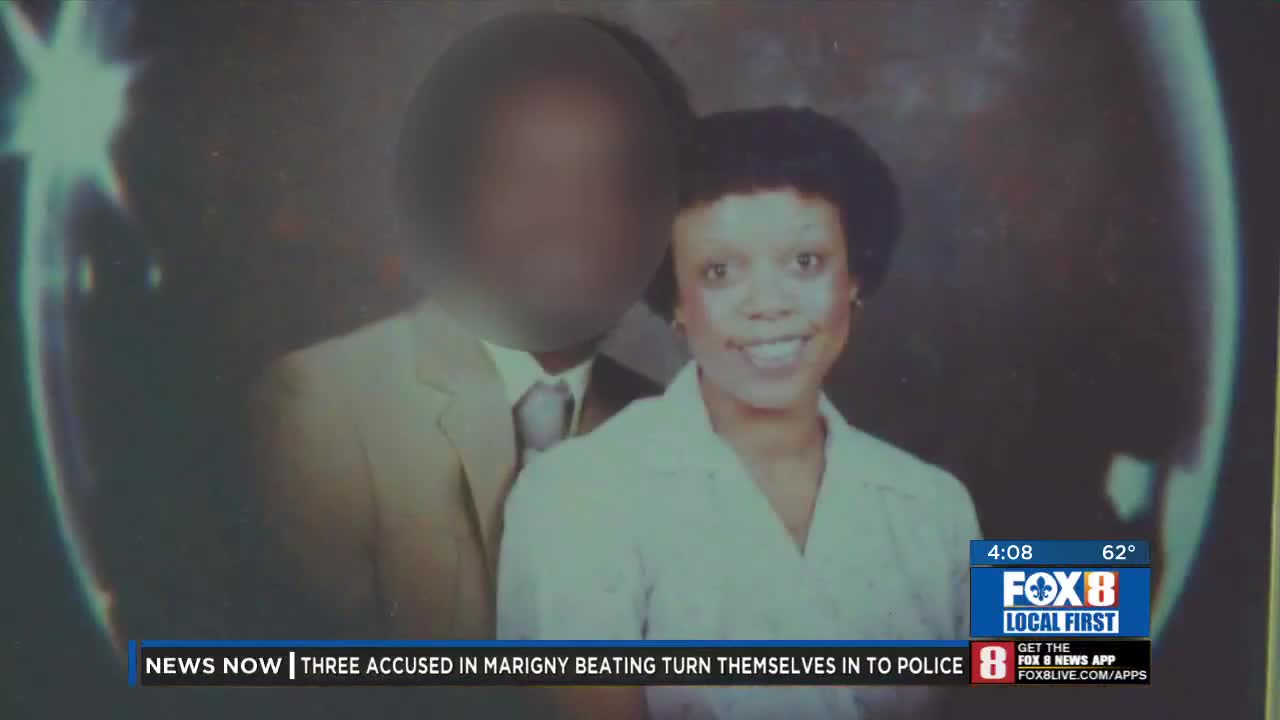
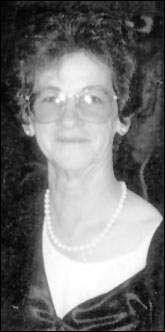
Daisy McGuire was a 40-year-old Black woman from Houma, Louisiana, whose life ended violently on February 6, 1996. That winter day, her body was discovered in Houma in the 900 block of Magnolia Street, left in a cramped, hidden spot that made it feel as though someone wanted her erased from view. The scene told its own grim story: she had been beaten and left out in the cold, her remains described as frozen and badly battered, the kind of brutality that lingers in a family’s imagination long
after the police tape is gone.
For years, the case sat in the heavy stillness that surrounds so many unsolved killings. People who loved her carried the ache of not knowing who had taken her, and the city carried the question of why someone would do something so cruel and then vanish into the ordinary flow of time. Investigators had a crime scene, and they had the fact of her death, but no arrest that could turn grief into answers.
More than two decades later, the name that surfaced was not a local whisper or a familiar face from Houma, but a man already infamous far beyond Louisiana: Samuel Little. While he was in custody and being questioned by investigators, Little confessed to killing McGuire, and authorities said he shared details that had never been made public—information they considered so specific it carried the chilling weight of firsthand knowledge. Detectives from Houma and investigators with Louisiana State Police traveled to Texas to interview him, and the confession was treated as the key that finally fit the lock on a case that had resisted every other attempt to close it.
Little was no ordinary suspect. By the time he admitted involvement in McGuire’s death, he was already serving a life sentence tied to murders in California, and he had become linked to an astonishing number of killings across the country through his own statements. Houma authorities said the information he provided allowed them to close McGuire’s homicide investigation, offering a kind of resolution that arrives too late to change what happened, but still matters to those left behind.
As for arrests or courtroom reckoning specifically tied to McGuire’s killing in Louisiana, public reporting has focused on the confession itself and the investigative decision to close the case based on what he told them, rather than on a separate Louisiana trial. The suspect identified by investigators—Little—was already imprisoned when he confessed, and the case’s “answer” came through interrogation rooms and reopened files instead of a jury box. In the end, the story of Daisy McGuire became entwined with a larger, darker map of violence that stretched across states and decades, but in Houma it remained personal: a woman found on Magnolia Street, a family forced to wait years for a name, and a confession that finally put one human voice to the silence that followed her death.