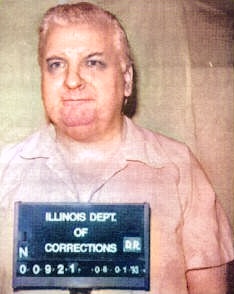
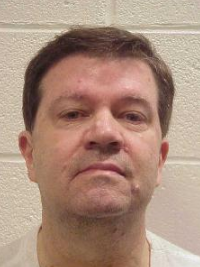
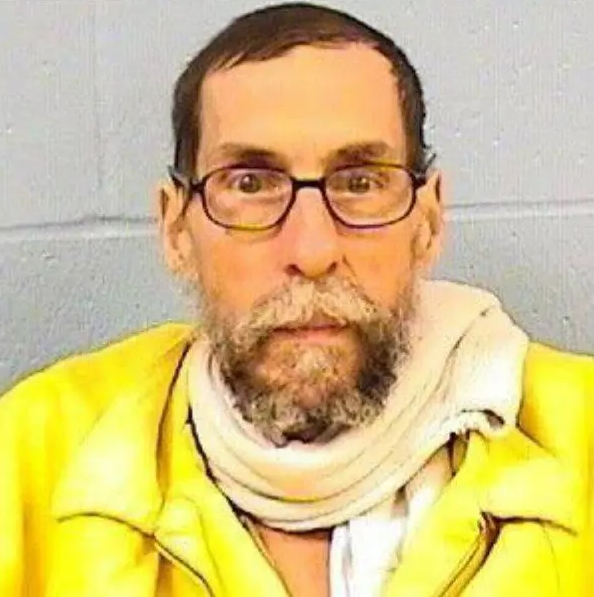
Gary Leon Ridgway: The Green River Killer
Overview
Gary Leon Ridgway, born on February 18, 1949, is an American serial killer known as the Green River Killer. He was convicted of murdering 49 girls and women, primarily in King County, Washington. Ridgway confessed to many additional killings and claimed that he had murdered so frequently that he could no longer remember every victim. Although investigators confirmed 49 murders, Ridgway indicated that the true number may have exceeded 70.
Most of the known killings occurred during the early 1980s, particularly between 1982 and 1984. Ridgway deliberately targeted girls and young women whose disappearances he believed might receive limited attention, including teenagers who had run away from home, women experiencing homelessness, and women involved in prostitution. Some victims were only 14, 15, or 16 years old.
Because many victims were not found until weeks, months, or years after they disappeared, their exact dates of death could not be medically established. In those cases, the dates listed below are carefully identified as the dates they disappeared, were last seen, or were found rather than being presented as confirmed dates of death.
Selection and Murder of Victims
Ridgway frequently searched for victims along Pacific Highway South, also known as the Sea-Tac Strip, south of Seattle. The roadway contained motels, bars and areas associated with street prostitution. Ridgway approached women in ordinary vehicles and attempted to appear harmless. He sometimes showed them a photograph of his young son or spoke about his employment and family life to make himself appear trustworthy.
After persuading a victim to enter his vehicle, Ridgway drove her to his house, his truck, a wooded location or another isolated area. He generally murdered his victims by strangulation, using his hands, his forearm or a ligature. He later said that he preferred strangulation because it was quiet and did not require him to carry a weapon that could be connected to a crime.
Ridgway transported the victims to remote locations throughout King County. Bodies were left in the Green River, near highways, beside steep embankments, around wooded roads, close to Seattle-Tacoma International Airport and in isolated areas near Auburn, Kent, Enumclaw, North Bend and other communities. He sometimes placed several victims in the same general location, creating dumping grounds that investigators called clusters.
Ridgway admitted returning to some of the locations after leaving the bodies. He also placed misleading objects at certain scenes and occasionally moved remains in an attempt to confuse investigators. These actions, together with decomposition and the remote nature of the disposal sites, made it extremely difficult to determine precisely when and where many victims had been killed.
Discovery of the Green River Victims
The investigation began during the summer of 1982. On July 15, the body of 16-year-old Wendy Lee Coffield was discovered in the Green River near Kent. Less than a month later, additional bodies were found in or beside the river. The discovery of five victims in a relatively short period convinced investigators that a serial killer was operating in the Seattle area.
The killer became known as the Green River Killer because the earliest recognized victims were recovered from the river. The name remained associated with the case even after bodies began appearing in forests and isolated roadside locations far from the water.
Confirmed Victims and Important Dates
- Wendy Lee Coffield, 16: Coffield was last seen in Tacoma, Washington, on July 8, 1982. Her body was found on July 15, 1982, in the Green River near Kent. She had been strangled with an item of clothing and is recognized as the first victim whose discovery began the Green River investigation.
- Gisele Ann Lovvorn, 17: Lovvorn disappeared from the Seattle area on July 17, 1982. Her remains were found on September 25, 1982, near an abandoned property south of Seattle-Tacoma International Airport. Ridgway later admitted killing her and leaving her body at the location.
- Debra Lynn Bonner, 23: Bonner was last seen in Tacoma on July 25, 1982. Her body was recovered from the Green River on August 12, 1982, near Kent. She was one of the victims whose discovery established that the same offender was repeatedly using the river as a disposal site.
- Marcia Faye Chapman, 31: Chapman disappeared from the Sea-Tac area on August 1, 1982. Her body was found on August 15, 1982, on the bank of the Green River near Kent. She was the mother of three children.
- Cynthia Jean Hinds, 17: Hinds was last seen in the Seattle area on August 11, 1982. Her body was discovered in the Green River on August 15, 1982, near the location where Marcia Chapman was found.
- Opal Charmaine Mills, 16: Mills was last seen on August 12, 1982, near Pacific Highway South. Her body was recovered from the Green River on August 15, 1982. Mills, Hinds and Chapman were found during the same search operation.
- Terry Renee Milligan, 16: Milligan disappeared from the Sea-Tac Strip on August 29, 1982. Her remains were found on April 1, 1984, near Star Lake Road in South King County.
- Mary Bridget Meehan, 18: Meehan, who was pregnant when she disappeared, was last seen in September 1982. Her remains were discovered on November 13, 1983, near Interstate 90 east of Seattle, in an area Ridgway used to conceal multiple victims.
- Debra Lorraine Estes, 15: Estes was last seen in the Seattle area on September 20, 1982. Her remains were found on May 30, 1988, near Highway 18 outside Auburn. Microscopic paint evidence associated with Ridgway's workplace later helped connect him to her murder.
- Linda Jane Rule, 16: Rule disappeared from the Seattle area on September 26, 1982. Her remains were discovered on January 31, 1983, near North Bend, Washington. Her death was not initially classified as part of the Green River series, but Ridgway later confessed to killing her.
- Denise Darcel Bush, 23: Bush disappeared on October 8, 1982, from an area near Pacific Highway South. Portions of her remains were found near Tigard, Oregon, in June 1985. Additional remains were recovered in Washington years later, showing that Ridgway had transported or separated her remains.
- Shawnda Leea Summers, 16: Summers disappeared on October 9, 1982. Her remains were discovered on August 11, 1983, near Star Lake Road in South King County.
- Shirley Marie Sherrill, 18: Sherrill was last seen in the Seattle area during October 1982. Her remains were discovered on June 14, 1985, near Highway 18 outside Auburn.
- Lori Anne Razpotnik, 15: Razpotnik left her home in Lewis County in November 1982 and was never seen by her family again. Her remains were discovered near Auburn on December 30, 1985, but were known for decades only as “Bones 17.” Forensic genetic genealogy identified her in 2023.
- Rebecca “Becky” Marrero, 20: Marrero was last seen leaving the Western Six Motel near Pacific Highway South on December 3, 1982. Her skull was discovered near Auburn on December 21, 2010. Ridgway pleaded guilty to her murder in 2011, resulting in his 49th murder conviction.
- Carol Ann Christensen, 21: Christensen disappeared from the Seattle area on May 3, 1983. Her body was found on May 8, 1983, near Maple Valley. Her body had been deliberately arranged, and objects had been placed around the scene, apparently in an effort to confuse investigators.
- Marie Malvar, 18: Malvar was last seen on April 30, 1983, entering a dark pickup truck near Pacific Highway South. Her boyfriend and relatives followed the vehicle and recorded information that eventually directed investigators toward Ridgway. Ridgway led authorities to her remains near Auburn in September 2003.
- Yvonne Shelly Antosh, 19: Antosh disappeared during May 1983. Her body was found on October 15, 1983, near Soos Creek in Kent.
- Alma Ann Smith, 22: Smith was last seen on March 3, 1983. Her remains were discovered on April 2, 1984, near North Bend. She was found in the same general region where Ridgway had concealed other victims.
- Kimberly Diane Nelson, 26: Nelson disappeared on November 1, 1983, after being seen in Seattle. Her remains were found on June 14, 1986, near Highway 18 outside Auburn.
- Lisa Lynette Yates, 19: Yates disappeared on December 23, 1983. Her remains were discovered on March 13, 1984, near Star Lake Road in South King County.
- Tracy Winston, 19: Winston disappeared after leaving Northgate Mall in Seattle on September 12, 1983. Portions of her remains were found near Kent in March 1986. Her skull was recovered near Highway 18 on November 20, 2005.
- Cindy Anne Smith, 17: Smith disappeared in March 1984. Her remains were discovered on June 27, 1987, near Auburn.
- Patricia Michelle Barczak, 19: Barczak disappeared from the Seattle area on October 17, 1986. Her remains were found on February 3, 1993, near Kent. Her murder was connected to Ridgway through his confession.
- Roberta Joseph Hayes, 21: Hayes disappeared from Portland, Oregon, on February 7, 1987. Her remains were found on September 11, 1991, near the intersection of Highway 410 and Highway 18 in Washington. Ridgway later admitted responsibility for her death.
- Marta Reeves, 36: Reeves disappeared from the Seattle area on March 5, 1990. Her remains were discovered on September 20, 1990, near Highway 410 outside Enumclaw.
- Patricia Ann Yellowrobe, 38: Yellowrobe was found dead on August 6, 1998, near a recycling facility in Seattle. Ridgway admitted strangling her after picking her up. Her murder demonstrated that his crimes continued long after the most intense period of Green River killings.
- Tammie Liles, 16: Liles disappeared from downtown Seattle in June 1983. Partial remains found near Tigard, Oregon, in April 1985 were identified through dental records in 1988. A second set of remains recovered in King County in 2003 was conclusively identified as belonging to Liles through DNA testing announced in 2024.
Unidentified Victims
Several victims remained unidentified for decades and were known only by investigative designations such as Bones 10, Bones 16 and Bones 17. Improvements in DNA analysis and forensic genetic genealogy eventually restored names to the remains. Bones 16 was identified as Sandra Denise Major in 2012, while Bones 17 was identified as Lori Anne Razpotnik in 2023.
In 2024, investigators confirmed that the last unidentified set of remains officially associated with Ridgway belonged to Tammie Liles. Another portion of her remains had already been identified many years earlier. The identification brought a name to the final unidentified remains among the 49 murders for which Ridgway had been convicted.
Women Who Remain Missing
Authorities continue to investigate whether Ridgway murdered additional missing women. The following women appeared on the official Green River Homicides list, but their remains have not been found and Ridgway was not convicted of their murders:
- Kassee Ann Lee, 16: Lee was last seen on August 28, 1982, near South 200th Street and 30th Avenue South, east of Pacific Highway South. Ridgway told investigators that he killed her and left her near a drive-in theater, but searches failed to recover her remains.
- Kelly Kay McGinnis, 18: McGinnis was last seen on June 28, 1983, near South 216th Street and Pacific Highway South. She remains missing.
- Patricia Ann Osborn, 19: Osborn was last seen on October 28, 1983, after leaving an area near North 115th Street and Aurora Avenue North in Seattle. She intended to walk to a nearby restaurant but never returned.
The Investigation
The large number of victims led to the creation of the Green River Task Force in 1983. Detectives interviewed thousands of people, examined vehicles, searched wooded areas and processed enormous quantities of evidence. Investigators struggled because there were few witnesses, many scenes had been exposed to weather, and some victims had not been reported missing immediately.
Ridgway came to the attention of investigators relatively early. In 1983, Marie Malvar's boyfriend reported seeing her enter a pickup truck. He and members of her family followed the vehicle to Ridgway's residence. Ridgway denied knowing Malvar, and investigators did not have enough evidence to arrest him.
Police questioned Ridgway in 1984. He passed a polygraph examination, although polygraph results are not considered scientifically reliable proof of innocence or guilt. In 1987, detectives obtained a search warrant and collected saliva and hair samples from him. Technology available at the time could not establish a conclusive connection between those samples and evidence from the victims.
Ridgway maintained an outwardly ordinary life. He worked for many years painting trucks at the Kenworth plant in Renton, attended church, married several times and raised a son. His steady employment and quiet appearance allowed him to avoid the image many people expected of a serial murderer.
DNA Evidence and Arrest
Advances in DNA testing eventually transformed the investigation. In 2001, forensic scientists reexamined biological evidence recovered from several victims. DNA profiles developed from that evidence matched the saliva sample investigators had obtained from Ridgway in 1987.
Ridgway was arrested on November 30, 2001, as he left the Kenworth truck plant in Renton. He was initially charged with murdering Marcia Chapman, Opal Mills, Cynthia Hinds and Carol Christensen. Additional charges followed in the deaths of Wendy Coffield, Debra Bonner and Debra Estes.
Investigators also connected tiny spheres of industrial spray paint found on or near some victims to the type of paint used at Ridgway's workplace. The combination of DNA evidence, paint evidence and the similarities among the crimes gave prosecutors a powerful case.
Confession and Plea Agreement
Prosecutors initially considered seeking the death penalty. In June 2003, however, Ridgway entered an agreement under which he would plead guilty to every murder he committed in King County that investigators could establish. In return, prosecutors agreed not to seek his execution.
The agreement required Ridgway to provide complete and truthful information, describe the murders, identify disposal locations and assist investigators in locating missing remains. During months of interviews, he discussed dozens of killings and led detectives to several sites. His memory was often incomplete, and detectives sometimes questioned whether he was confusing victims or locations.
Ridgway stated that he targeted women involved in prostitution because he hated them and believed he could kill them without being caught. He admitted that he sometimes killed more than one victim within a short period and that murder eventually became routine to him. His statements revealed a deliberate effort to exploit people whose disappearances he assumed would not immediately alarm authorities.
Convictions and Sentence
On November 5, 2003, Gary Ridgway pleaded guilty to 48 counts of aggravated first-degree murder. In court, the names of the victims were read individually, and Ridgway answered “guilty” to each charge. On December 18, 2003, he was sentenced to 48 consecutive life terms without the possibility of parole, along with additional time for tampering with evidence.
After Rebecca Marrero's remains were discovered in December 2010, prosecutors charged Ridgway with her murder. He pleaded guilty on February 18, 2011, his 62nd birthday, and received a 49th sentence of life imprisonment without parole.
Ridgway has acknowledged at least 71 killings during interviews, though not every statement could be corroborated. Investigators have considered possible connections to disappearances and unsolved murders in Washington, Oregon and other locations. Only the 49 murders supported by sufficient evidence resulted in convictions.
Impact of the Crimes
The Green River murders devastated dozens of families and created years of fear throughout the Seattle and Tacoma areas. Some relatives waited decades to learn what had happened. Others still do not know whether a missing family member encountered Ridgway or another offender.
The investigation became one of the largest and longest serial-murder investigations in American history. It demonstrated the difficulties police face when victims belong to marginalized communities and when a killer spreads evidence across numerous jurisdictions. The case also showed how biological evidence preserved for many years can become decisive when forensic technology improves.
Gary Leon Ridgway is serving life imprisonment without the possibility of parole at the Washington State Penitentiary in Walla Walla. Although all remains officially associated with his 49 convictions have now been identified, authorities continue examining unresolved disappearances and potential victims. His complete number of murders may never be known.