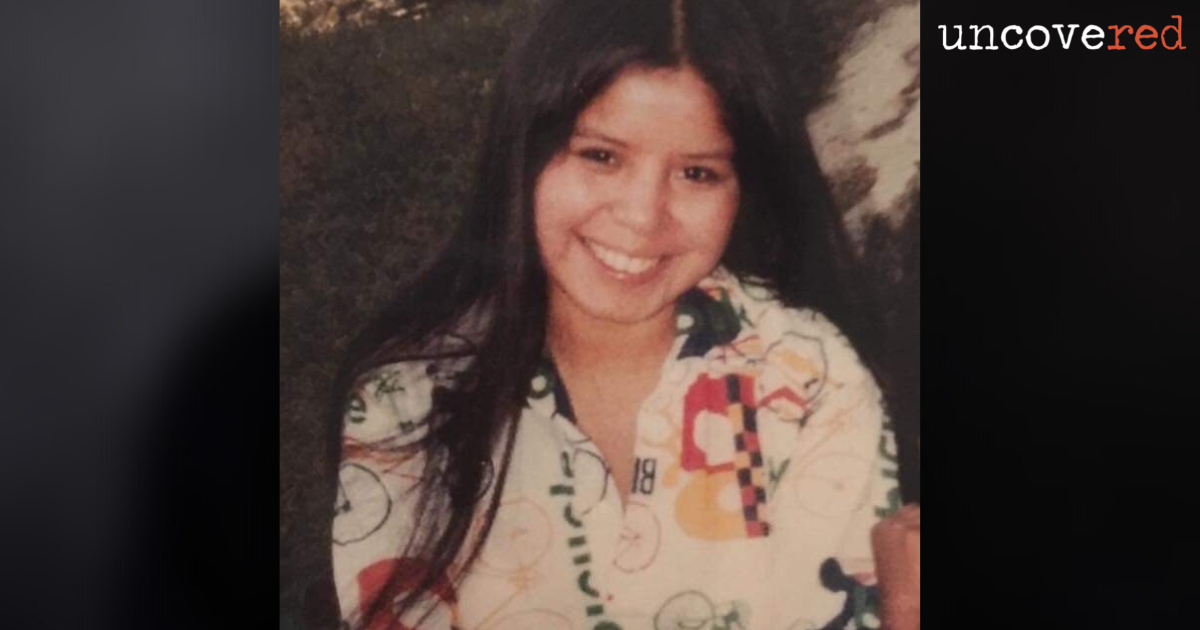
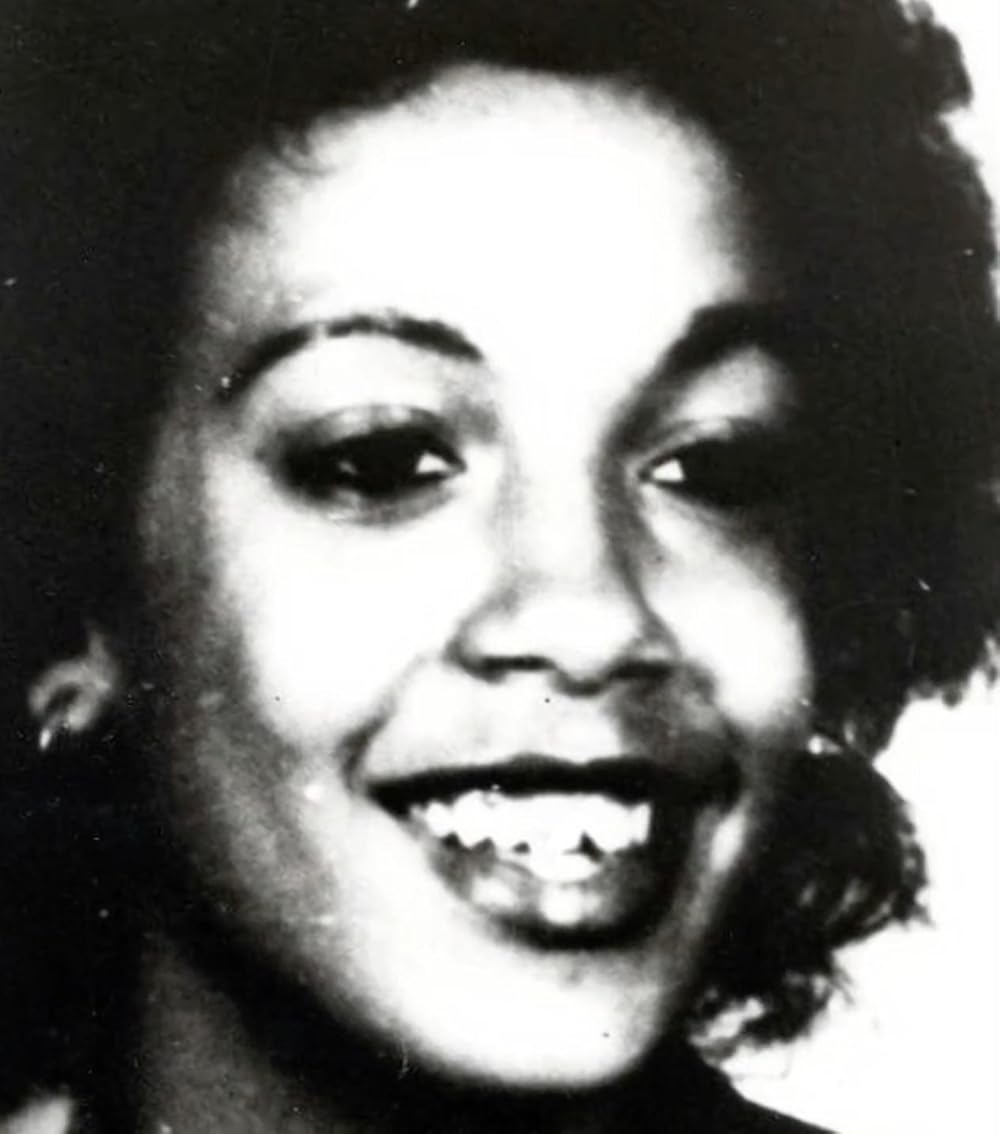
Opal Charmaine Mills was a 16-year-old Black female with aspirations of becoming a model. A daughter of a white mother and a Black father, she was remembered by her family as a loving and outspoken girl who was honored in her church for reading the bible cover to cover. On August 12, 1982, she made a phone call to her older brother, Garrett, asking for a ride. She told him she was at Angle Lake State Park and planned to do a painting job with her friend, Cynthia Hinds.
Her brother, who had worked late, was asleep and asked if she could find another way. This was the last time her family ever heard from her.
Three days later, on August 15, 1982, her body was discovered in the undergrowth along the banks of the Green River in King County, Washington. Nearby were the bodies of two other women, 17-year-old Cynthia Hinds and 31-year-old Marci Chapman. An investigation revealed that Opal had been brutally strangled to death, with her own blue trousers found knotted tightly around her neck. For nearly two decades, her murder remained officially unsolved, one of a horrifying string of slayings of young women in the area attributed to a serial predator who would come to be known as the Green River Killer.
The case grew cold, leaving her family devastated and without answers for years. The breakthrough finally came with advancements in DNA technology. In 2001, investigators reviewing the cold case were able to test semen samples that had been collected from Opal's body back in 1982. This new testing yielded a DNA profile that matched a local truck painter named Gary Leon Ridgway, who had been a person of interest in the 1980s but was never charged.
On November 30, 2001, nearly twenty years after Opal’s death, Gary Ridgway was arrested as he left his job at the Kenworth truck factory. In December 2001, he was formally charged with four counts of aggravated first-degree murder, which included the death of Opal Mills. To avoid the death penalty, Ridgway agreed to a plea bargain, confessing to a vast number of murders. On November 5, 2003, he pleaded guilty to 48 counts of murder, including that of Opal Mills. He was subsequently sentenced to 48 consecutive life sentences without the possibility of parole, bringing a final, grim resolution to one of the nation's longest and most prolific serial murder cases.