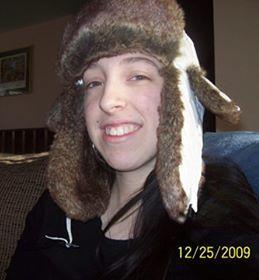
Lori Anne Razpotnik, a 15-year-old Caucasian female, disappeared from her home in Lewis County, Washington, in 1982. She had run away after a disagreement with her mother. Her family would never see her alive again. For years, her fate remained a mystery, a painful void for those who knew her. The story of what happened to the teenager would not begin to unravel for several years, and it would be decades before her name was finally restored.
On December 30, 1985, human remains were
discovered in an abandoned car on Mountain View Drive in Auburn, Washington. The Green River Task Force, actively investigating a series of murders in the area, found a second set of remains nearby. For nearly four decades, these two victims were known only by the grim designations "Bones 16" and "Bones 17." The cases grew cold, leaving two families without answers and a community haunted by the specter of an unidentified killer.
The break in the case came with the 2001 arrest of Gary Ridgway, who would become known as the Green River Killer, one of America's most prolific serial murderers. In 2003, as part of a plea agreement to avoid the death penalty, Ridgway confessed to the murders of "Bones 16" and "Bones 17," leading investigators to the site where he had left their bodies. While "Bones 16" was identified as Sandra Major in 2012 through DNA testing, the identity of "Bones 17" remained elusive.
It was not until December 2023 that advanced forensic DNA technology finally gave "Bones 17" her name back. Investigators, working with Parabon Nanolabs, were able to generate a DNA profile from the remains. A saliva sample from Lori's mother provided the crucial link, and the University of North Texas confirmed the match. After more than 40 years of uncertainty, Lori Anne Razpotnik was officially identified. Gary Ridgway, who had already pleaded guilty to her murder, is serving multiple life sentences without the possibility of parole at the Washington State Penitentiary for the murder of Lori and dozens of other women.