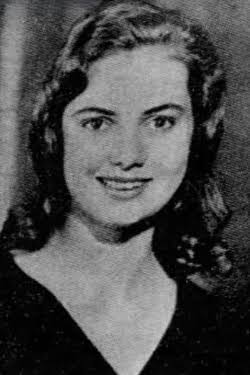
In the winter of 1984, a sense of unease settled over a family in Seattle, Washington. Mary Exzetta West, a 16-year-old Black female, left a relative's home on February 6th, intending to make a quick trip to the store. It was the last time she was seen alive. At the time of her disappearance, Mary was two months pregnant. As days turned into weeks with no word, the concern for the teenager grew, though the specific details of the initial search for her are not widely known.
The mystery
of Mary's whereabouts lingered for more than a year, a painful void for those who knew her. It wasn't until September 8, 1985, that a grim discovery was made. Her remains were found under a tree in Seward Park, a stark and somber end to the long period of uncertainty. Due to the condition of her remains, the medical examiner was unable to determine an exact cause of death. However, investigators unequivocally classified her case as a homicide, confirming the family's worst fears.
Even before her body was found, authorities had begun to suspect a horrifying connection. In July 1984, Mary West was added to the growing list of potential victims of a serial murderer who was terrorizing the Seattle area, a predator who would come to be known as the Green River Killer. The discovery of her remains confirmed this dreadful theory. The man responsible for her death, and the deaths of many other vulnerable young women, was Gary Leon Ridgway.
Ridgway's reign of terror targeted women and girls, many of whom were in precarious situations. He was finally arrested in 2001, bringing an end to one of the longest and most extensive serial murder investigations in American history. In June 2003, as part of a plea agreement to avoid the death penalty, Gary Ridgway confessed to the murder of Mary West. Her name was among the 48 murder convictions for which he received multiple life sentences without the possibility of parole. Mary West was officially recognized as the forty-fourth known victim of one of the nation's most prolific serial killers.