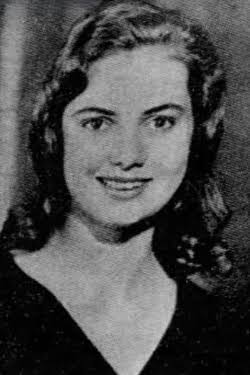
In the late summer of 1982, a sense of unease was beginning to creep across the Seattle area as young women started to disappear. Among them was Mary Bridget Meehan, an 18-year-old White/Caucasian female. On September 15, 1982, she was last seen on the SeaTac strip, a stretch of Pacific Highway South known for its transient population. At the time of her disappearance, Mary was seven months pregnant. For over a year, her fate remained a mystery, a painful void for her family.
Then, on November 13, 1983, her partially buried remains were discovered in the area of South 192nd Street and 27th Avenue South.
The discovery of Mary's body was part of a horrifying pattern that emerged throughout the early 1980s. She was one of many victims of a serial murderer who came to be known as the Green River Killer. For years, a massive and frustrating investigation unfolded, led by the King County Sheriff's Office, as the number of missing and murdered women continued to climb. The killer targeted vulnerable young women, often runaways or those involved in street prostitution. The community was gripped by fear as the remains of victim after victim were found discarded in wooded areas and rivers around King County.
Decades would pass before there was a significant breakthrough in the case. Advances in DNA technology finally allowed investigators to definitively link a suspect to the crimes. On November 30, 2001, Gary Leon Ridgway, a truck painter who had been a suspect early in the investigation, was arrested. In a plea deal to avoid the death penalty, Ridgway agreed to confess to the murders he committed in King County. He ultimately pleaded guilty to 48 counts of aggravated murder in the first degree, including the murder of Mary Meehan. During his sentencing in December 2003, family members of his victims, including Mary Meehan's brother, Tim, were given the opportunity to speak about the profound loss they had endured. Ridgway received multiple life sentences without the possibility of parole.