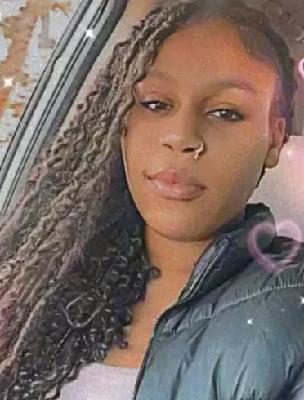
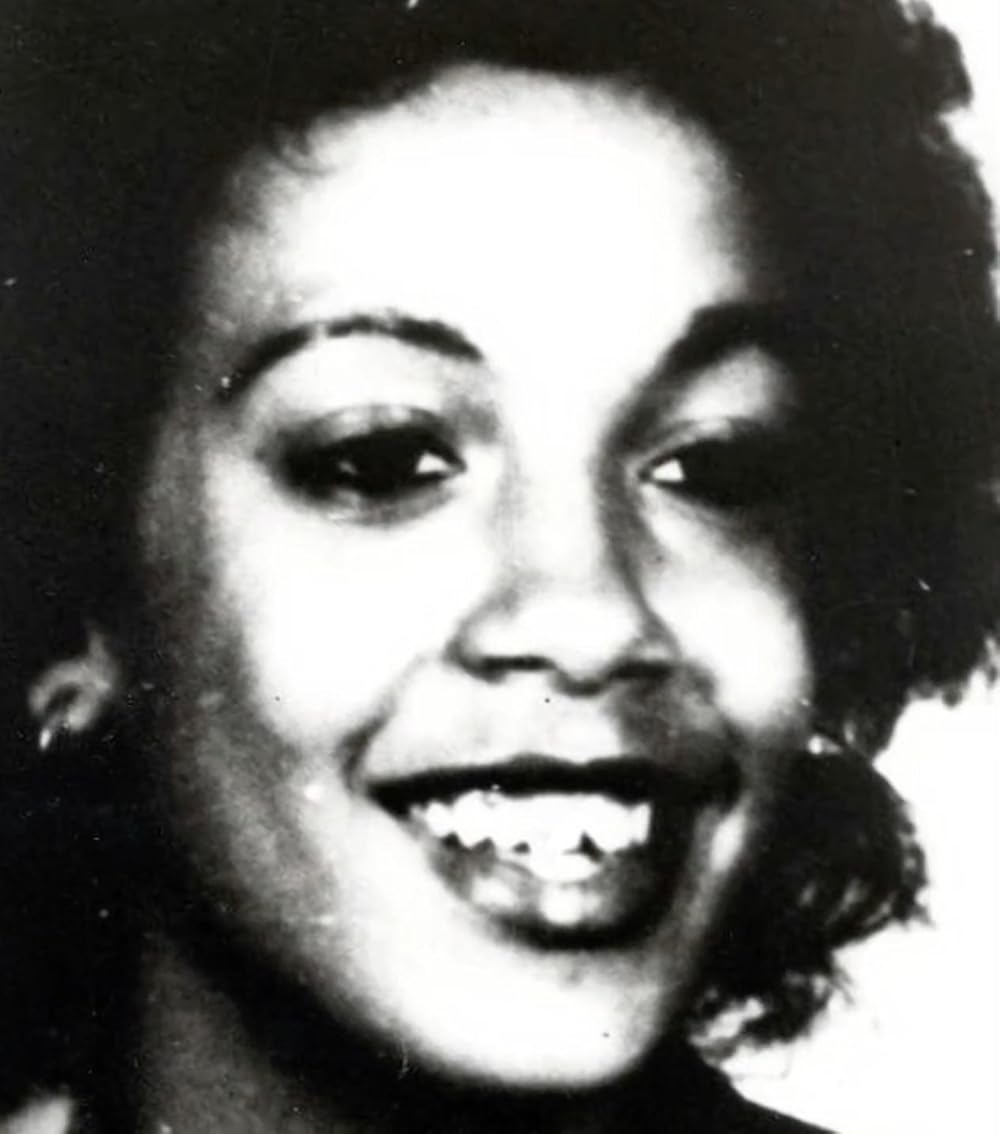
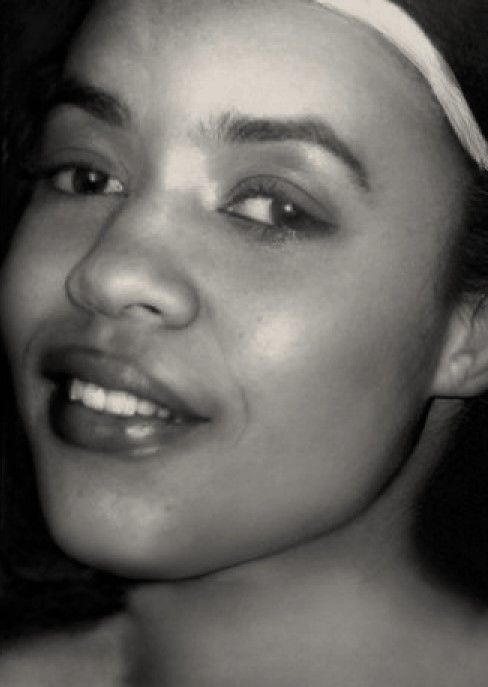
An indigenous Yakama woman is a victim of a random senseless murder In the early morning hours of July 12, 2003, Sandra Lee Smiscon, a 45-year-old Native American woman and a member of the Yakama Nation, was sleeping under the Yesler Way overpass at Fourth Avenue in Seattle, Washington. A petite woman with a broad smile and an adventurous nature, Sandra came from a large family with twelve children and was known to relish her traditional upbringing, often attending powwows and other special events.
She frequently traveled between the Yakama Reservation and Seattle, a city she considered her second home.
Life had presented Sandra with significant challenges. She was a mother to three children, two daughters and a son, but had lost custody, which fractured some of her relationships. At the time of her death, she was experiencing homelessness and struggled with substance use. Despite her hardships, those who knew her on the streets of Seattle remembered her as a compassionate soul who showed heart in a harsh environment.
At approximately 3:30 a.m., the pre-dawn quiet was shattered by the sound of gunfire. A man, described as being in his 30s or 40s, stood on the overpass and fired down at Sandra and a male companion who was sleeping beside her. Sandra was struck in the abdomen, a fatal wound. Her companion was shot in the leg but survived the attack. Moments before the shooting, there were reports of a "large barrage" of fireworks in the area, leading investigators to theorize that the gunman may have been angered by the noise and fired indiscriminately.
In the years following Sandra's death, her case has remained unsolved. There have been no arrests, and no suspect has been publicly identified. The prevailing belief among law enforcement is that the shooting was a random act of violence. However, there have been unconfirmed rumors, including one that a woman may have hired the assailant. The man who shot Sandra was seen calmly walking away after the incident. Sandra Lee Smiscon's death is a tragic example of the violence that disproportionately affects Indigenous women, and her name is often included in reports and studies on Missing and Murdered Indigenous Women.