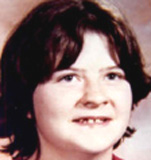
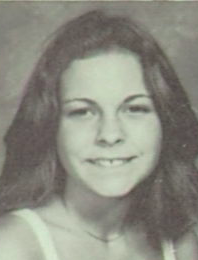
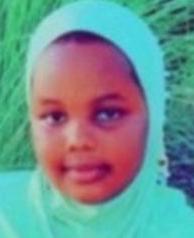
In the late summer of 1998, the body of a 38-year-old Native American woman, Patricia Ann Yellowrobe, was discovered in a vacant lot in Seattle, Washington. An initial examination led investigators to believe her death on January 9, 1998, was the result of an accidental overdose of alcohol and opiates. For years, this remained the official explanation, and her case was not initially linked to the string of murders that had haunted the Seattle area for decades.
Patricia, a divorced
nursing aide and mother of three, was an enrolled member of the Chippewa Cree tribe from the Rocky Boy Indian Reservation in Montana. She had been living in West Seattle at the time of her death. Her family was informed of the overdose finding and, with heavy hearts, they laid her to rest on their reservation.
The narrative of Patricia Yellowrobe's death took a dramatic and horrifying turn years later with the confession of one of the nation's most prolific serial killers. Gary Ridgway, known as the Green River Killer, admitted to her murder as part of a plea deal to avoid the death penalty. Ridgway's confession brought a shocking new reality to a death that had been considered a tragic accident. He revealed that he had killed her, making her one of the many victims of his long and brutal reign of terror.
Ridgway's admission meant that Patricia Yellowrobe was not the victim of a personal struggle with addiction, but of a calculated and violent act. Her death, once a closed case of accidental overdose, was reclassified as a homicide, forever linking her name to the infamous Green River Killer. This revelation forced her family to relive the trauma of their loss, now with the devastating knowledge of the true and violent circumstances of her final moments.