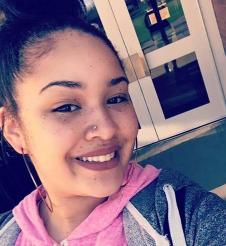
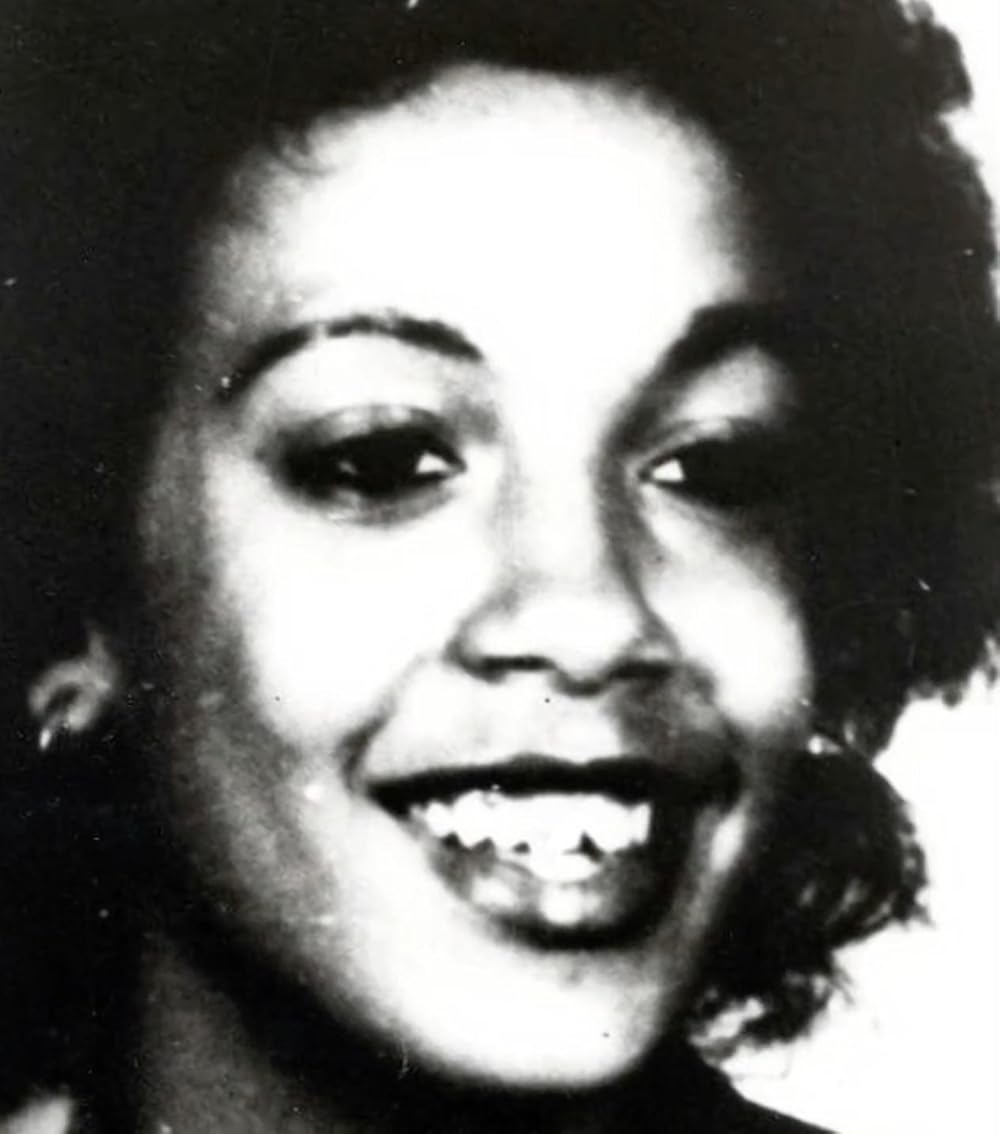
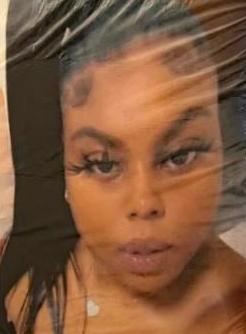
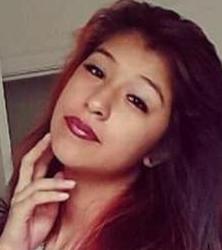
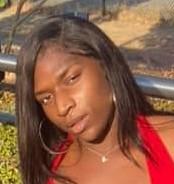
On a Wednesday evening, September 19, 2018, the life of Amarah S're Alexandra Riley, a 22-year-old Black/African American woman, was tragically cut short in an act of senseless violence. Described by her family as a young woman full of life with a contagious laugh, Amarah was an aspiring makeup artist who enjoyed being in front of a camera. On that night, she was driving her car southbound along Rainier Avenue South in the Skyway area, a community nestled between Seattle and Renton, Washington.
The time was approximately 10:22 p.m., and the reasons for her being in that specific location were unknown even to her relatives.
Suddenly, another vehicle pulled up alongside hers, and multiple shots were fired into her car. Struck by the gunfire, Amarah lost control of her vehicle, which then careened across the road and crashed. When emergency services arrived, they found her fatally wounded. The news shattered her family, including her mother and brother, who were left to grapple with the sudden and violent loss of a loved one. Her grandfather, Dale Riley, would later express the enduring pain of her absence, a sentiment shared by all who knew and loved her.
The investigation into Amarah's death was launched by the King County Sheriff's Office. Detectives found themselves facing a puzzling case with no clear motive. The attack seemed random, leaving both law enforcement and Amarah's family searching for answers. In the days and weeks that followed, authorities appealed to the public for any information that could lead to the killer. Crime Stoppers of Puget Sound offered a reward, which was supplemented by a larger sum from a family friend, in the hope that it would encourage someone to come forward with a crucial piece of information.
Despite the rewards and public pleas for help, the case grew cold. No suspects were immediately identified, and no arrests were made in connection with the shooting. Years after her death, the case officially remains an unsolved homicide. Investigators have come to believe that Amarah was not the intended victim, but was instead incorrectly targeted by gang members who mistook her for someone else. For her family, the lack of resolution compounds their grief. Her grandfather has continued to honor her memory by maintaining a cross at the site of her murder, a poignant symbol of a life taken too soon and a family still waiting for justice.