Tommy Lynn Sells: The “Coast-to-Coast Killer”
Overview
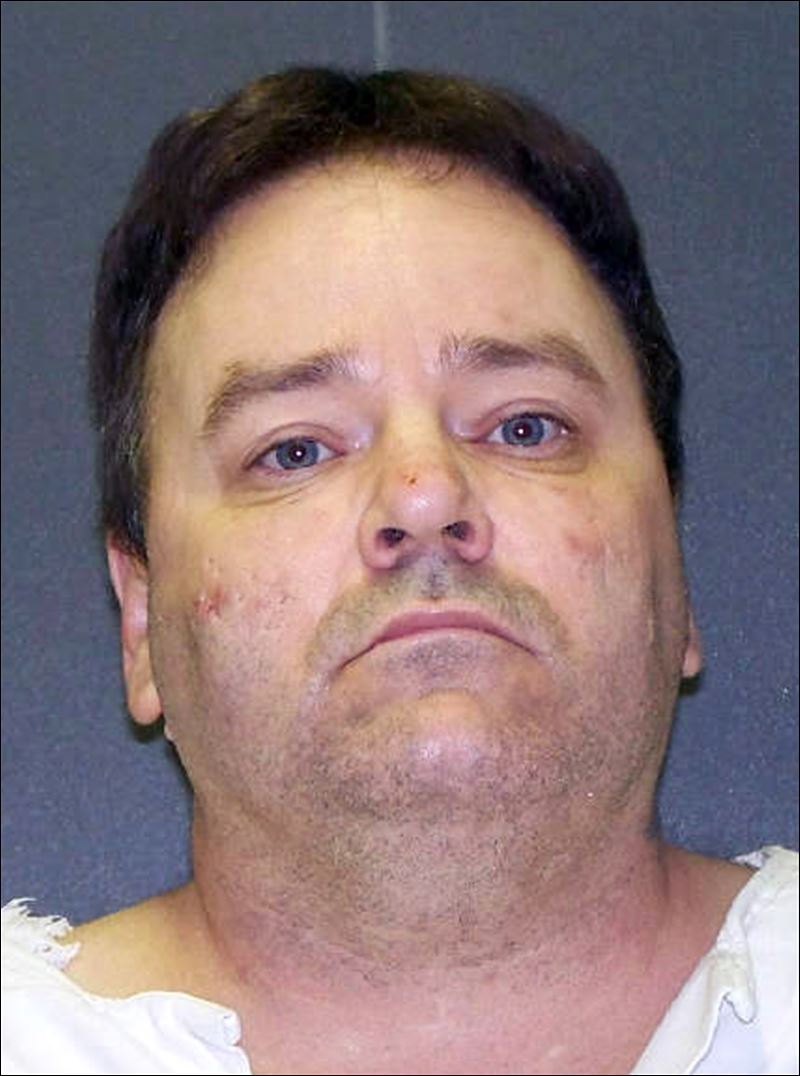
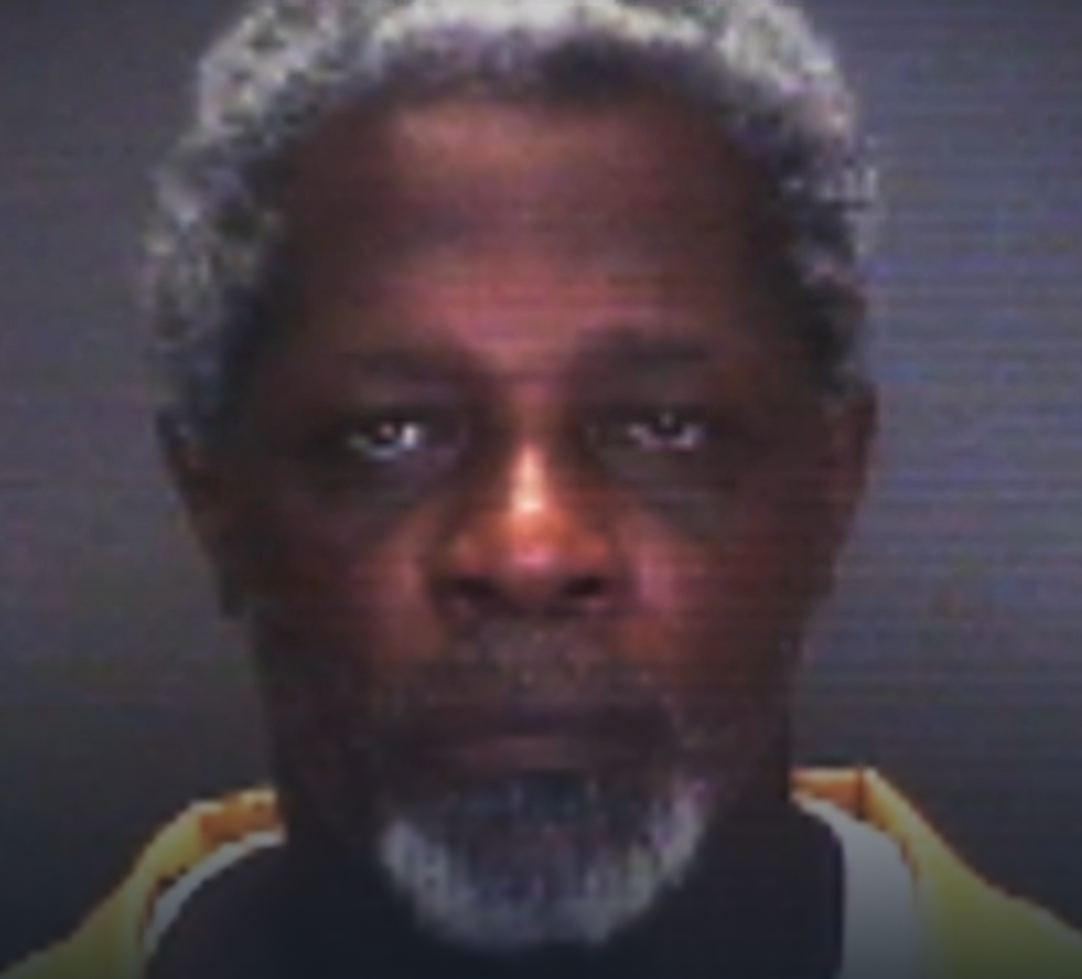
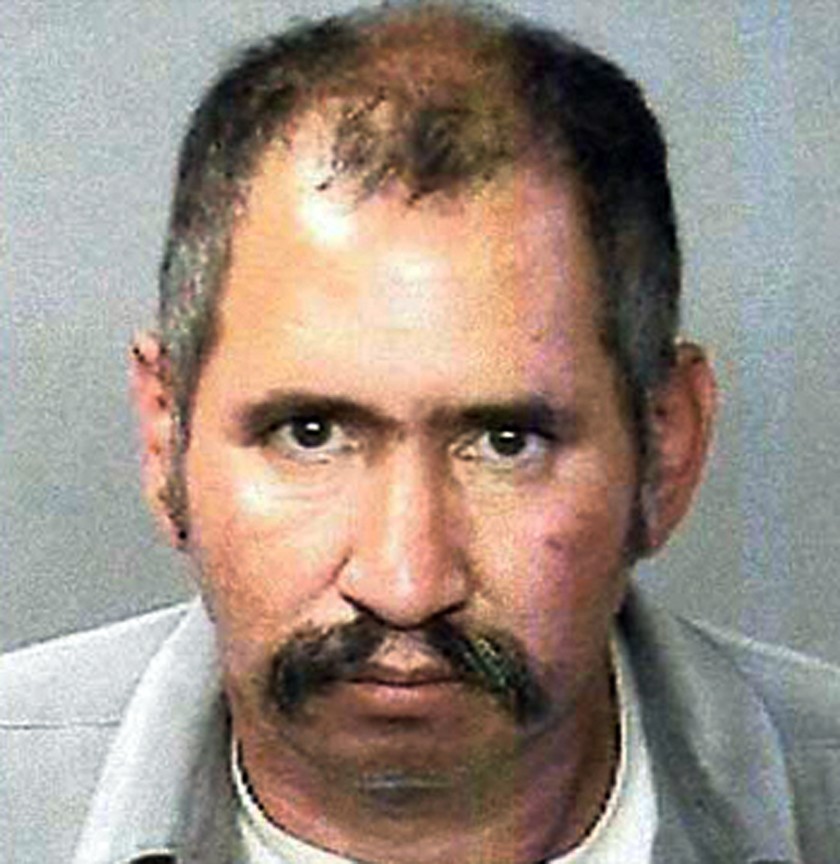
Tommy Lynn Sells was an American serial killer and drifter whose violent criminal history extended across several states. Born on June 28, 1964, in Oakland, California, Sells spent much of his adult life moving from one community to another, frequently traveling by bus, freight train or on foot. This mobility made it extremely difficult for investigators to reconstruct his movements and determine the full extent of his crimes.
Sells claimed responsibility for as many as 70 murders committed between the late 1970s and the end of 1999. However, many of his statements could not be independently verified, and investigators discovered inconsistencies in some of his confessions. He was ultimately convicted of two murders in Texas: the killing of 13-year-old Kaylene “Katy” Harris and the abduction and murder of 9-year-old Mary Beatrice Perez. Numerous additional killings were attributed to him through confessions, physical evidence, verified travel records or details that investigators believed had not been made public.
Early Life and Criminal History
Sells experienced an unstable childhood marked by family separation, substance abuse and allegations of sexual victimization. He began drinking and using drugs at a young age and later described himself as a transient who rarely remained in one location for long. As an adult, he accumulated convictions for offenses including theft, automobile theft and malicious wounding. He served time in correctional institutions but repeatedly returned to a transient lifestyle after his release.
According to his later statements, Sells frequently entered homes through unlocked doors or windows and attacked people he encountered by chance. He did not follow one consistent pattern. His reported victims included women, men and children, and the crimes attributed to him involved stabbing, strangulation, shooting and blunt-force attacks. This lack of a single victim profile or method complicated efforts to connect cases occurring hundreds or thousands of miles apart.
Victims and Cases Attributed to Sells
- Ena Cordt and Rory Wilhelm “Willie” Cordt — July 27, 1985 — Forsyth, Missouri: Ena Cordt, 28, and her 4-year-old son, Rory, were found beaten to death inside their home. Sells later confessed that he had met Ena while working with a traveling carnival and had attacked her with the child’s baseball bat. He claimed he killed Rory because the boy had witnessed the assault. The case was attributed to Sells by investigators, although members of the family later questioned whether his confession was truthful.
- Suzanne Korcz — Missing May 1, 1987; remains recovered September 5, 1995 — Lockport and Niagara Falls area, New York: Suzanne Korcz, 27, disappeared after leaving a nightclub in Lockport. Her remains were discovered years later near the base of an embankment in the Niagara Falls area. Decomposition prevented authorities from establishing a precise cause or date of death. Sells confessed to killing a woman in the area and reportedly recognized photographs connected with the investigation, but he was never prosecuted for Korcz’s death.
- Stefanie Kelly Stroh — Missing October 15, 1987 — Wells and Lovelock, Nevada: Stefanie Stroh, 21, disappeared after being seen at a truck stop in Wells. Sells said he offered the hitchhiking woman a ride and later strangled her near Lovelock. He claimed that he concealed her body in concrete and placed it in a hot spring. Her remains have never been found, and the precise date and circumstances of her death could not be independently confirmed.
- Keith Dardeen, Ruby Elaine Dardeen, Peter Dardeen and the Dardeens’ newborn daughter — November 17–18, 1987 — Near Ina, Illinois: Keith Dardeen, 29, his pregnant wife, Elaine, 30, their 3-year-old son, Peter, and the infant daughter Elaine delivered during the attack were murdered in one of Illinois’s most notorious unsolved cases. Elaine, Peter and the newborn were found inside the family’s mobile home, while Keith was discovered in a nearby field. Sells confessed years later, but investigators found discrepancies in his accounts and did not charge him. The Dardeen murders officially remain unsolved.
- Kent Alan Lauten — December 18, 1988 — Tucson, Arizona: Kent Lauten, 51, was stabbed and buried in a shallow grave near a homeless encampment. His body was discovered on December 20, 1988. Sells later claimed that he killed Lauten during a dispute involving drugs. The case was linked to Sells through his confession, but he was not tried for the murder.
- Teresa Hall and Tiffany Hall — December 9, 1991 — Marianna, Florida: Teresa Hall, 25, and her 5-year-old daughter, Tiffany, were beaten to death inside their home. The attacker forced entry and used part of a broken wooden table during the assault. Sells later confessed to killing the mother and daughter. Although investigators examined his account, he was not prosecuted for their deaths.
- Joel Kirkpatrick — October 13, 1997 — Lawrenceville, Illinois: Ten-year-old Joel Kirkpatrick was stabbed to death in the bedroom of his mother’s home. His mother, Julie Rea, reported fighting with a masked intruder but was later convicted of killing her son. Sells subsequently confessed and described entering the house, taking a knife from the kitchen and struggling with a woman after stabbing a boy. Rea’s conviction was reversed, and she was acquitted during a second trial in 2006. Sells was never tried for Joel’s murder, but his confession became an important part of the case surrounding Rea’s exoneration.
- Stephanie Mahaney — October 15, 1997 — Springfield, Missouri: Stephanie Mahaney, 13, disappeared from the Springfield area and was later found dead in a farm pond west of the city. Sells claimed that he abducted her, sexually assaulted her and strangled her. His presence in the region and his account led investigators to associate him with the murder, although he was not prosecuted for Stephanie’s death.
- Yvette Sophia Mueller — Missing December 14, 1997 — Las Vegas, Nevada: Yvette Mueller, 19, disappeared from an RV park in Las Vegas. Sells described killing a young blonde woman in the Las Vegas area and later disposing of her remains near the Snake River. Authorities considered the possibility that he was referring to Mueller, but her body was never located and the case was not conclusively resolved.
- Thomas Brose — April 15, 1998 — San Antonio, Texas: Thomas Brose, 40, a carnival worker, was shot to death in his motor home. Witness information placed him with a man resembling Sells before the killing. Sells initially confessed but later withdrew his statement, leaving his responsibility for Brose’s death uncertain.
- Debra Lynn Harris and Ambria Halliburton — April 4, 1999 — Milan, Gibson County, Tennessee: Debra Harris, 31, and her 8-year-old daughter, Ambria Halliburton, were stabbed to death inside their residence on Easter Sunday. Sells claimed that he entered the home during the night, attacked Debra and then killed Ambria after the child became aware of the assault. He was never convicted in the case, and his confession remained the primary basis for associating him with the murders.
- Mary Beatrice Perez — April 18, 1999 — San Antonio, Texas: Nine-year-old Mary Perez disappeared after attending a community festival. Her body was found ten days later in a drainage area near a stockyard. She had been sexually assaulted and strangled. Sells admitted abducting and murdering Mary and pleaded guilty to capital murder in 2003. He received a life sentence for the crime, making Mary one of the two victims whose murders resulted in convictions against him.
- Haley McHone — May 1999 — Lexington, Kentucky: Haley McHone, 13, disappeared in May 1999, and her body was discovered several days later. She had been sexually assaulted and strangled. Sells claimed responsibility and was known to have been in the Lexington area during the relevant period. Records showed that he had been arrested locally for public intoxication and released shortly afterward. He was not prosecuted for Haley’s murder.
- Bobbie Lynn Wofford — July 5, 1999 — Kingfisher County, Oklahoma: Bobbie Wofford, 14, was last seen after leaving a convenience store. Her body was later discovered beside a rural road. She had been sexually assaulted, struck with a sharp weapon and shot. Sells confessed that he had offered Bobbie a ride, driven her to an isolated location and attacked her. He reportedly provided details about the crime, including information about jewelry taken from the victim, but he was not tried for the murder.
- Kaylene “Katy” Harris — December 31, 1999 — Near Del Rio, Val Verde County, Texas: Kaylene Harris, 13, was sleeping in a bedroom with her friend, 10-year-old Krystal Surles, when Sells entered the rural residence. He attacked Kaylene with a knife, stabbing her repeatedly and cutting her throat. Kaylene died at the scene. Sells then cut Krystal’s throat and left her for dead, but she survived. Kaylene’s murder became the crime for which Sells was sentenced to death.
The Survival of Krystal Surles
Krystal Surles’s survival was central to Sells’s capture. Despite suffering a severe wound to her throat, Krystal remained conscious after the attacker left. She walked to a nearby residence and obtained help. While receiving medical treatment, she provided investigators with a detailed description of the man who had attacked her and Kaylene.
A composite drawing based on Krystal’s description led authorities to Sells, who had been staying in the Del Rio area and was acquainted with members of the household. Krystal later identified him as the attacker. Her eyewitness account, together with physical and circumstantial evidence, gave prosecutors a strong case and prevented Kaylene’s murder from becoming another unresolved crime attributed to an unidentified traveling offender.
Arrest, Trial and Convictions
Sells was arrested on January 2, 2000. During questioning and later interviews, he began confessing to killings across the United States. Investigators from numerous jurisdictions traveled to Texas to speak with him about unsolved murders. In some cases, he supplied details that appeared to correspond with known evidence. In others, his accounts changed, contradicted established facts or contained information that could have been learned through news reports.
On September 18, 2000, a Val Verde County jury convicted Sells of capital murder for killing Kaylene Harris. Two days later, he was sentenced to death. In 2003, he pleaded guilty to the capital murder of Mary Beatrice Perez and received a life sentence. Although prosecutors and investigators continued examining other cases, he was not convicted of any additional murders.
Questions Surrounding His Confessions
The true number of people killed by Sells remains unknown. He repeatedly claimed that he had murdered dozens of people, sometimes estimating the total at approximately 70. His transient lifestyle placed him in many of the states where unsolved killings occurred, and investigators verified his presence near several crime scenes. Some confessions included facts that authorities regarded as persuasive evidence of his involvement.
Other statements were considerably less reliable. Sells altered portions of his stories, confessed to cases in which evidence did not match his account and sometimes appeared eager to gain attention or temporary relief from death-row confinement by offering information. Traveling to meet investigators gave him a break from the isolation of prison, creating concern that he may have falsely confessed to certain crimes. For that reason, it is important to distinguish between murders for which he was convicted, murders strongly linked to him and unresolved cases connected to him mainly through his own claims.
Execution
After years of appeals, Tommy Lynn Sells was executed by lethal injection at the Huntsville Unit in Texas on April 3, 2014. He was 49 years old. When offered the opportunity to make a final statement, he declined. He was pronounced dead at 6:27 p.m.
Krystal Surles and relatives of Kaylene Harris and Mary Perez attended the execution. Although the sentence closed the legal case surrounding Kaylene’s murder, it did not resolve the many unanswered questions connected with Sells’s reported travels and confessions. Families in several states were left uncertain about whether he had truly killed their relatives or had simply inserted himself into their cases.
Legacy of the Investigation
Tommy Lynn Sells became known as the “Coast-to-Coast Killer” because of the enormous geographical range of his suspected crimes. His case demonstrated how a transient offender could move between jurisdictions for years without creating an immediately recognizable pattern. Before national databases and modern methods of information sharing became widely available, investigators in separate states often had little reason to believe that their cases might involve the same traveling criminal.
His story also illustrates the dangers of relying too heavily on serial confessions. Some of Sells’s statements helped reopen investigations and contributed to the exoneration of Julie Rea, who had been wrongfully convicted of killing her son. Other statements created confusion and may never be proven or disproven. The confirmed murders of Kaylene Harris and Mary Beatrice Perez established Sells as a convicted serial killer, while the unresolved cases associated with him continue to leave a much broader and more uncertain legacy.