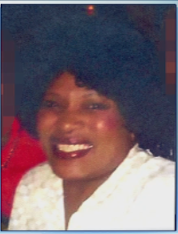
Suzanne Korcz, 27, a White woman, vanished in the Niagara Falls–Lockport corridor on the night of May 1, 1987, after a tense argument with her fiancé at a bar in Niagara Falls. According to police accounts reported later, her fiancé said she wandered off, leaving him behind with no clear explanation of where she was headed or who she might have met once she stepped out into the night.
For years, the case lingered in that painful space between missing-person mystery and feared homicide, with little publicly known about what happened after she walked away.
Time, weather, and silence did what they always do in a long-unsolved disappearance: they buried the trail. About eight years later, her remains were discovered not far from where she had last been seen—reported as skeletal remains found in a field roughly two miles from the bar, and also described as being at the foot of an embankment near Niagara Falls. The condition of the remains left investigators with limited answers about the exact manner of death, turning the recovery into a grim confirmation rather than a full explanation. In the fall of 1995, her family held memorial services, marking a public moment of mourning after years of uncertainty.
In 2004, the case was jolted by a confession from Tommy Lynn Sells, a drifter and serial killer who was already sitting on death row in Texas. Police said Sells offered details that aligned with the known facts of Korcz’s disappearance and the later discovery of her remains, and investigators described the information as the kind that would have been difficult for an outsider to know from prison. A Lockport detective indicated he wanted more from Sells—more clarity, more specifics, anything that could turn a claim into a complete account of what happened between the argument at the bar and the lonely place where her remains were found.
By 2005, Lockport’s police leadership said statements Sells had given—first to Texas Rangers and then again to a Lockport officer who traveled to interview him—were sufficient for them to consider the murder solved. They said Sells told investigators he had jumped a freight train, gotten off near Niagara Falls, and committed the killing, a narrative that, in their view, fit the geography and timing of Korcz’s disappearance. Even with that conclusion, there was no courtroom ending: police said New York authorities would not seek extradition or pursue charges because Sells was already under a death sentence in Texas, leaving the case with an identified perpetrator in the record but without an arrest in New York, a trial, or a conviction specifically for Korcz’s death.