The Grand Rapids Serial Killer Case: The 1990s Murders, Missing Women, and Garry Dean Artman
Overview
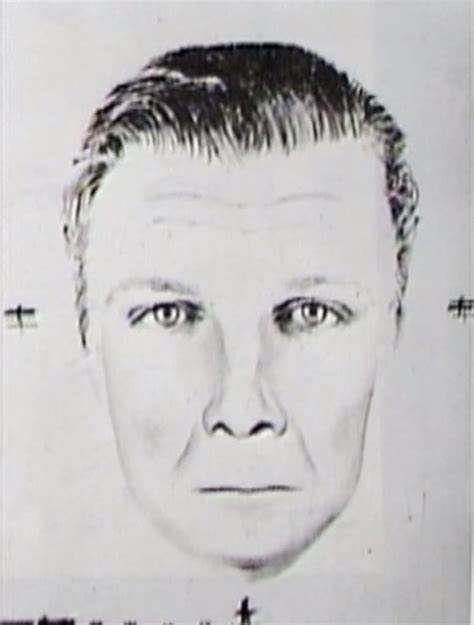
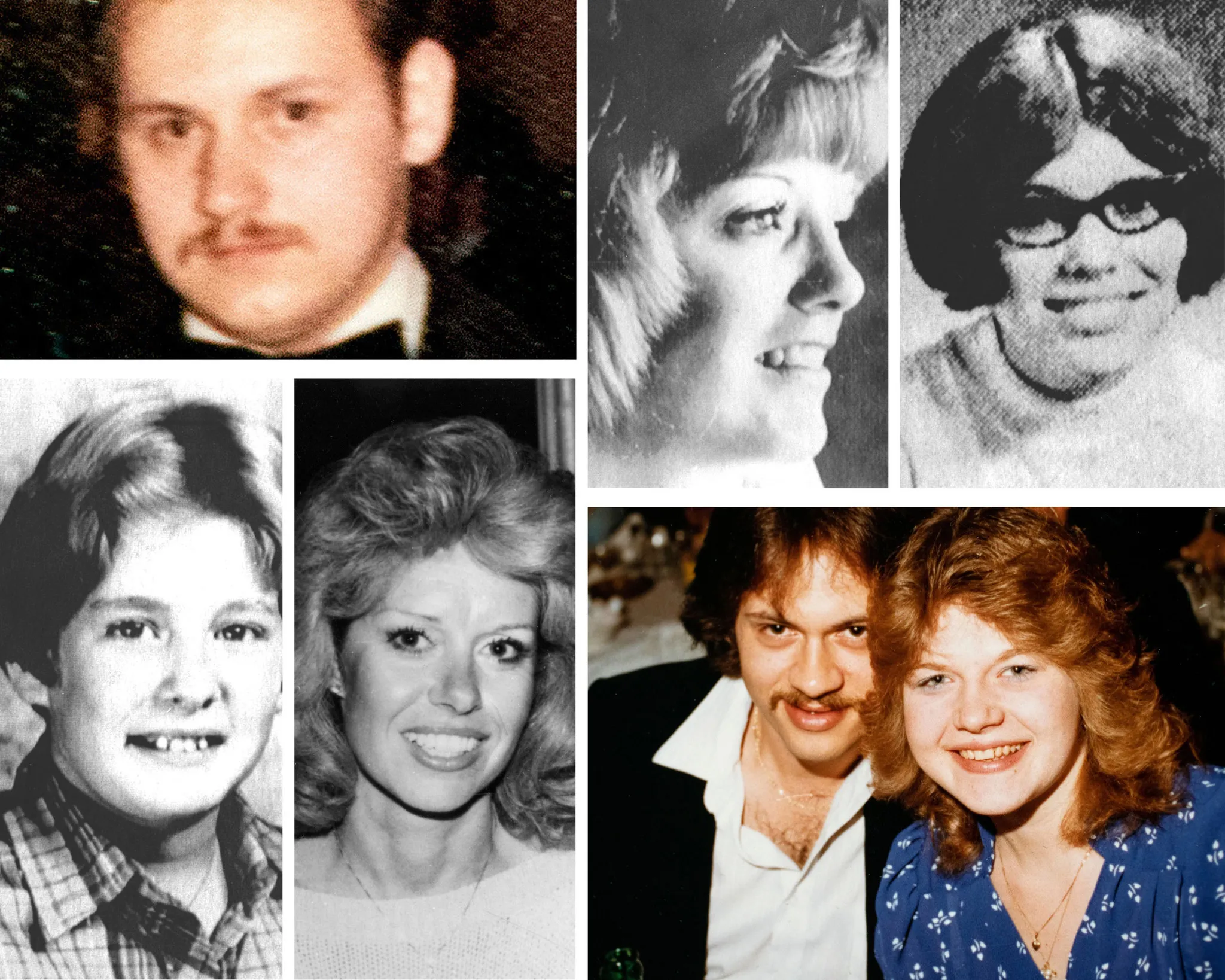
The name "Grand Rapids Serial Killer" has been used for a disturbing group of murders and disappearances involving women in and around Grand Rapids, Michigan, during the 1990s. However, the name can be misleading. Investigators have never established that one unidentified killer was responsible for every woman associated with the series. Evidence developed decades later strongly suggests that more than one offender was responsible for the deaths.
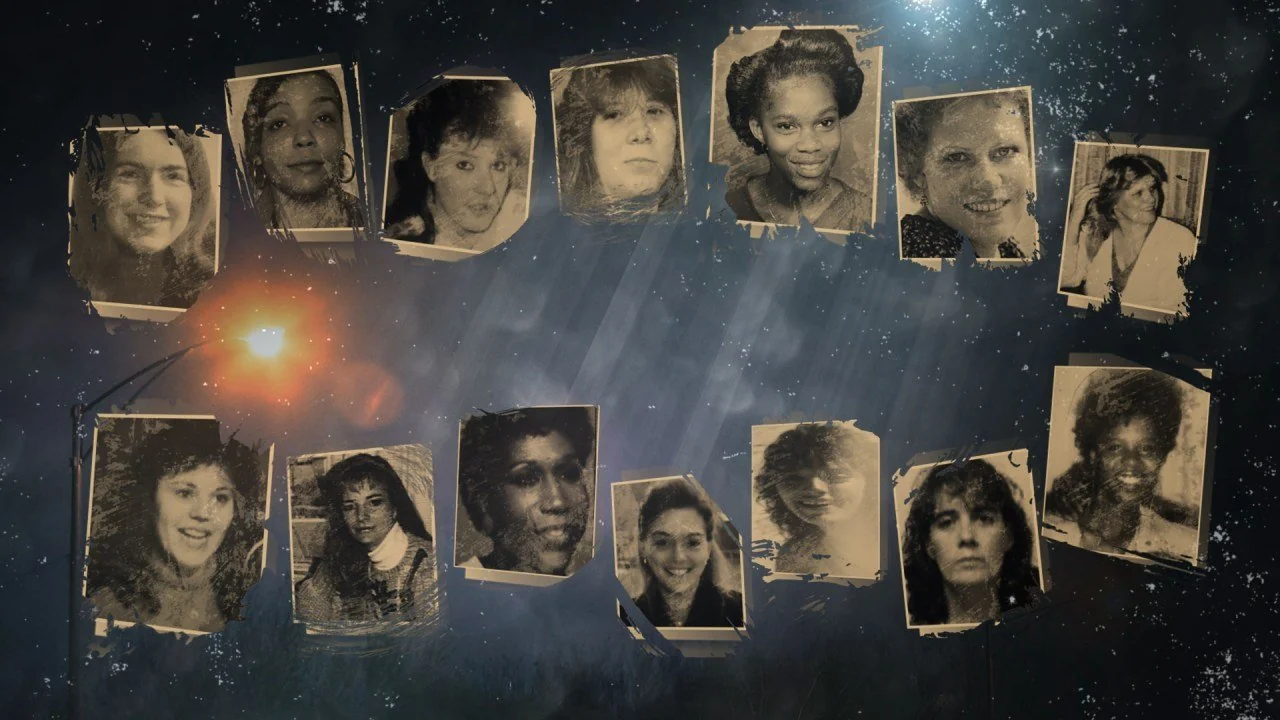
The cases generally associated with the Grand Rapids series involve approximately seventeen women who disappeared or were murdered between late 1993 and 1996, although some remains were not discovered until 1997 or 1998. Many of the women had connections to Division Avenue in Grand Rapids, an area where street-level sex work occurred. Several struggled with drug addiction or other difficult circumstances. Those similarities caused investigators and the public to question whether a serial predator was targeting vulnerable women.
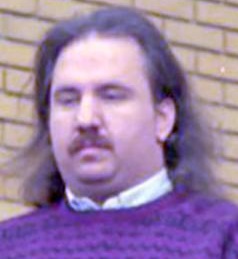
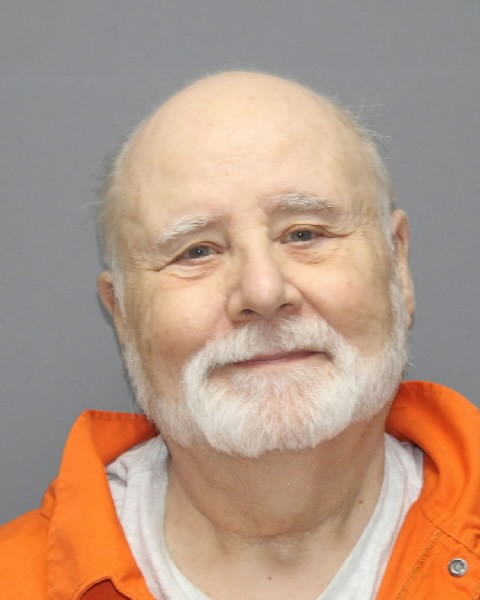
A major development came decades later with the identification of long-haul truck driver Garry Dean Artman. DNA evidence led to Artman's conviction for the 1996 murder of Sharon Kay Hammack. Investigators subsequently connected him to the disappearance of Cathleen Dennis, and DNA also linked him to the unrelated 2006 murder of Dusty Myriah Shuck in Maryland. Shortly before his death in December 2023, Artman claimed responsibility for additional killings. Nevertheless, authorities have not established that Artman murdered all of the women traditionally associated with the Grand Rapids series.
A Series of Women Disappear
The pattern began attracting attention as women vanished from Grand Rapids and bodies were discovered in wooded areas, fields, waterways, industrial locations, and rural sections of Kent and neighboring counties. Several victims had been seen along or near South Division Avenue shortly before disappearing. Others were discovered far enough away that investigators considered the possibility that a vehicle had been used to transport them.
There were also important differences. Some victims had been strangled, while another was beaten to death. In several cases decomposition was so advanced that medical examiners could not determine the cause of death. Several women disappeared and have never been found. Those differences eventually became important because they weakened the theory that every case represented the work of one offender.
Victims and Missing Women Associated With the 1990s Grand Rapids Series
- Linda Sue McHugh — McHugh was 29 years old when she disappeared from the Wyoming and Grand Rapids area in December 1993. Missing-person records list her as last seen on December 30, 1993, although some older accounts give an earlier December date. She reportedly called her boyfriend while in the Division Avenue area and asked to be picked up, but she was gone when he arrived. Her body has never been recovered. Because she remains missing, there is no verified date of death.
- Lesa Irene Otberg — Otberg was last seen during the early morning hours of January 2, 1994, near Division Avenue and Cottage Grove Street in Grand Rapids. Witness information indicated that she entered a vehicle. Her remains were discovered on March 28, 1994, approximately three months later. She had been strangled. The recovery date should not be confused with her actual date of death, which has not been publicly established with certainty.
- Robin Sue Scott — Scott disappeared on January 18, 1995. She was last known to be heading to the Division Avenue area in Grand Rapids during the early morning hours. She has never been found. Some lists of the Grand Rapids victims incorrectly place her disappearance in January 1994. Missing-person records place it in 1995. There is no verified date of death.
- Shelly Rae Kephart, also known as Shelly Rae Christian — Kephart had been in the Grand Rapids area during 1994. Her remains were discovered by hunters on November 6, 1994, in a rural area outside Coopersville in Ottawa County, northwest of Grand Rapids. For decades the unidentified victim was known as "Matilda." Advances in forensic genetic genealogy finally identified her as Shelly Rae Kephart in 2022. November 6 is the date her remains were found, not a verified date of death.
- Pamela "Pam" Lynn Verile — The 33-year-old mother was last seen in Grand Rapids shortly before her death. Her body was discovered on June 2, 1995, near the Grand River in the area of Veterans Memorial Drive and what is now associated with the Millennium Park area. She had suffered severe blunt-force injuries to the head. Her homicide remains unsolved. Later reporting concerning DNA evidence has stated that Garry Artman was excluded as the source in Verile's case, an important indication that at least one other killer was operating in the area.
- Fonda Lockridge — Lockridge, 26, disappeared from Grand Rapids in June 1995. She left home on June 15 to walk toward a party store near Oakdale Street and Eastern Avenue. A relative subsequently reported seeing her near Hall Street and Prospect Avenue. She has never been found. Her disappearance is generally dated June 15, 1995, but because no remains have been recovered, there is no established date of death.
- Cathleen "Cathy" Dennis — Dennis, 28, was visiting Grand Rapids from Omaha, Nebraska, with her sister. Missing-person records list her disappearance as July 10, 1995. She was last seen in the Division Avenue and Putnam Street Southwest area getting into an older, light-colored Chevrolet. Her remains have never been recovered. Decades later, statements made by Garry Artman contained details that investigators believed matched Dennis. Grand Rapids police eventually said the information was sufficient to reasonably conclude that Artman was involved in her disappearance. There is no verified date of death.
- Gale Annette Cook — Cook, 39, was last seen on October 4, 1995, near Front Avenue Southwest and Wealthy Street Southwest in Grand Rapids. Her body was discovered eight days later, on October 12, 1995, in a wooded area near Leonard Street. Investigators determined that she had been strangled with a ligature. The exact date on which she was killed has not been publicly established.
- Dawn Marie Shaver — Shaver was 25 when her body was discovered on November 17, 1995, in a creek beneath or near railroad tracks in the area of Ann Street and Elizabeth Avenue in Grand Rapids. She had been strangled and had also suffered blunt-force injuries. Her murder remains unsolved. November 17 is the documented discovery date and is commonly used in case listings, although the exact time of death is not publicly known.
- Dawn Phillips — Phillips, 26, was last seen by her family on January 19, 1996. She reportedly told her children she was going to a nearby store and never returned. On October 1, 1996, children walking through woods discovered skeletal remains in the 600 block of Canright Street NE in Plainfield Township. Dental records identified the remains as Phillips. Her death was classified as a homicide by unknown means. October 1 was the discovery date, not her verified date of death.
- Michelle Becker — Becker, 36, was last seen on April 27, 1996, in the South Division Avenue area of Grand Rapids. A city worker discovered her badly decomposed body on August 9, 1996. The condition of the remains prevented investigators from determining a definitive cause of death. Her exact date of death has therefore not been established.
- Victoria Moore — Moore, 29, was last seen on August 1, 1996, along South Division Avenue near Logan Street in Grand Rapids. She was also reportedly a potential witness in a separate homicide prosecution involving the beating death of another woman. On October 27, 1996, a hunter discovered Moore's body in a wooded area near 20 Mile Road and Sparta Avenue northeast of Kent City. Her homicide remains unsolved, and October 27 represents the discovery date rather than a proven date of death.
- Cheryl Mason — Mason, 39, was last seen on August 6, 1996. Her family became concerned when she failed to appear for an important family occasion. On October 13, 1996, information led investigators to her body in a field behind an industrial property in Grand Rapids. Her death became another homicide associated with the larger group of murdered women. Her precise date of death has not been publicly established.
- Sherry Stewart Brown — Brown, 33, disappeared in August 1996 and was reported missing on August 9. For nearly two years there was no known trace of her. Human remains were discovered on July 22, 1998 and subsequently identified as Brown. Because of the long period between her disappearance and the recovery of her remains, July 22, 1998 should not be treated as her date of death. Her exact death date remains uncertain.
- Sonyia Marie Campos — Campos, 27, was last seen by her family on September 4, 1996. Her body was discovered by a jogger on September 21, 1996, in a wooded area near Butterworth Street and O'Brien Road on the southwest side of Grand Rapids. Her remains were badly decomposed, preventing investigators from establishing a definitive cause of death. Her exact date of death is unknown.
- Sharon Kay Hammack — Hammack, 29, was murdered on October 3, 1996. Her body was discovered in a field along 76th Street SE between Patterson Avenue and Kraft Avenue in Caledonia Township, south of Grand Rapids. She had been sexually assaulted, restrained and strangled, and her body had been wrapped before being abandoned near the road. Hammack was also pregnant. Unlike most cases in the larger series, her killer was eventually identified. Garry Dean Artman was convicted of her rape and murder in 2023.
- Stephanie Renee Judson — Judson's skeletal remains were discovered on July 31, 1997, by a maintenance worker in a wooded area behind a roadside park in Ada Township. She remained unidentified for approximately 25 years and became known as the "Ada Bones Jane Doe." Forensic genetic genealogy identified her as Stephanie Renee Judson in 2022. Investigators determined that her death was a homicide. Forensic estimates indicate that she probably died well before the July 1997 discovery, possibly during 1996. Therefore, July 31, 1997 is not her date of death.
Why Police Suspected a Serial Killer
The similarities between the cases were difficult to ignore. A number of the women had been seen in the South Division Avenue corridor. Several were involved in sex work. Some struggled with cocaine addiction. Their lifestyles sometimes required them to enter vehicles with strangers, making them particularly vulnerable to a predator who could approach them without attracting attention.
Several victims were strangled, and numerous bodies were transported to secluded locations. Others simply vanished after being seen near Division Avenue. The growing number of cases created fears that someone was deliberately hunting women who might not immediately be reported missing or whose disappearances might initially receive limited attention.
Authorities eventually formed a multi-agency effort to examine the cases. Investigators compared physical evidence, victim histories, locations, methods of killing and known suspects. The central question was whether a single offender was responsible or whether unrelated killers had targeted women from the same vulnerable population.
Evidence That More Than One Killer Was Responsible
Despite the similarities, there were significant differences among the crimes. Victims had different causes of death. Some were strangled, one was beaten to death, and in several cases the cause could not be determined. Bodies were left in different jurisdictions and under different circumstances. Three women disappeared without their remains ever being recovered.
Most importantly, later forensic evidence did not support the idea that Garry Artman committed every crime. Artman's DNA conclusively connected him to Sharon Hammack, but testing reported in connection with Pamela Verile's murder excluded him as the source of biological evidence in that case. That alone demonstrates why the entire collection cannot safely be attributed to Artman.
The best description of the Grand Rapids cases is therefore a cluster of murders and disappearances that may include crimes committed by multiple offenders, rather than seventeen proven victims of one unidentified serial killer.
Garry Dean Artman
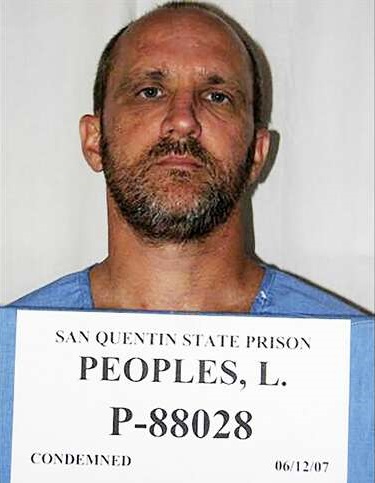
Garry Dean Artman eventually became the most significant named suspect connected to the larger mystery. Artman had a serious history of sexual violence long before Sharon Hammack was murdered. He was imprisoned in Michigan following convictions for criminal sexual conduct in 1981 and remained in prison for approximately eleven years. He was released in June 1992, shortly before the period in which women began disappearing from the Grand Rapids area.
Artman later worked as a long-haul truck driver. His occupation gave him the ability to travel great distances and provided an explanation for why crimes connected to his DNA could appear in different states.
The Murder of Sharon Hammack
On October 3, 1996, a delivery driver traveling along 76th Street SE in Caledonia Township noticed what appeared to be a wrapped object in the grass near the roadway. Inside was the body of Sharon Kay Hammack. The 29-year-old mother had been sexually assaulted and strangled. She had been restrained, and evidence surrounding her body was carefully collected by investigators.
The timing immediately raised suspicions. Numerous women had already disappeared or been found murdered in the Grand Rapids area. Hammack's death occurred during the same frightening period and appeared to share characteristics with some of the other cases.
Investigators recovered biological evidence but did not have the technology necessary to identify the unknown man responsible. The evidence was preserved as the investigation became a cold case.
DNA Finally Identifies Artman
Advances in forensic DNA analysis eventually transformed the Hammack investigation. Investigators were able to develop a male DNA profile from evidence preserved from the crime. Forensic genetic genealogy was later used to trace the unidentified DNA through relatives and family trees.
The investigation ultimately focused on Garry Dean Artman, who had lived in the Grand Rapids area and had a history of serious sexual offenses. Artman was arrested in Mississippi in August 2022 and returned to Michigan.
At trial, prosecutors presented DNA evidence connecting Artman to Hammack. His defense attempted to explain the presence of the DNA by arguing that Artman had previously been a customer of Hammack's. The jury rejected that explanation.
On September 28, 2023, Artman was convicted of premeditated murder, felony murder and first-degree criminal sexual conduct. On October 12, 2023, he received life imprisonment without the possibility of parole for the murder and an additional life sentence for the sexual assault.
Dusty Myriah Shuck and the Maryland Connection
Artman's DNA also connected him to a homicide hundreds of miles from Michigan. Dusty Myriah Shuck, 24, was from Silver City, New Mexico. She was last known to be alive in April 2006. On May 4, 2006, a motorist discovered her body beside Interstate 70 east of New Market in Frederick County, Maryland.
Shuck had suffered stabbing and blunt-force injuries. Investigators considered the possibility that she had been transported by someone traveling long distance, and the location of her remains near a major interstate made a truck-driving offender particularly significant.
DNA from Shuck's case was eventually connected to DNA from the Hammack murder. Once forensic genealogy identified Artman in the Michigan investigation, authorities obtained a direct sample and connected him to both crimes.
Maryland authorities charged Artman with Shuck's murder. He died before that case could go to trial. Shortly before his death, however, Artman confessed to killing Shuck. May 4, 2006 is the date her body was discovered; her exact date of death has not been established with the same certainty.
Artman and Cathleen Dennis
Cathleen Dennis became the clearest connection between Artman and the broader group of missing women from Grand Rapids. Dennis had vanished from the Division Avenue area in July 1995 and had never been found.
When investigators interviewed the terminally ill Artman in 2023, he described killing a Black woman whom he encountered around Division Avenue. He reportedly remembered details concerning the woman and the circumstances under which he encountered her that investigators believed corresponded with Dennis.
Artman also described disposing of the woman's body in a manner that would explain why Dennis's remains had never been recovered. After comparing his statements with the old investigation, Grand Rapids police announced that there was enough information to reasonably conclude that Artman was involved in Cathleen Dennis's disappearance.
That conclusion is important, but Dennis's case should still be described differently from Hammack's. Artman was convicted in Hammack's murder. He was never prosecuted for Dennis's presumed murder, and Dennis's remains have never been found.
Artman's Deathbed Confessions
By the time Artman was convicted of murdering Sharon Hammack, he was suffering from terminal lung cancer. Investigators realized that they had a very limited opportunity to determine whether he could provide answers in other cold cases.
Kent County detectives interviewed Artman three times shortly before his death. Maryland investigators also questioned him concerning Dusty Shuck. During these interviews Artman admitted responsibility for additional killings and reportedly claimed that he had murdered approximately eleven women, with most of the crimes occurring in the Grand Rapids area.
The confessions created enormous interest because the number closely resembled the group of unresolved murders that had haunted Grand Rapids since the 1990s. However, investigators did not simply accept Artman's claims. A confession must contain information capable of being compared against independently known evidence. Artman supplied useful information in some instances but little verifiable detail about others.
This is why it would be inaccurate to declare that his deathbed statements solved the entire Grand Rapids series. The information was strong enough to connect him to Cathleen Dennis and was consistent with the already powerful DNA evidence in the Hammack and Shuck cases. It did not publicly establish his responsibility for every other missing or murdered woman.
Confirmed and Strongly Supported Artman Cases
- Sharon Kay Hammack — October 3, 1996, Caledonia Township, Michigan: Artman was identified through DNA evidence, prosecuted and convicted of her rape and murder. This is his legally proven Michigan murder.
- Dusty Myriah Shuck — body found May 4, 2006, near New Market, Maryland: Artman's DNA matched evidence from her homicide, he was formally charged with her murder, and he reportedly confessed before his death. He died before trial.
- Cathleen Dennis — missing since July 10, 1995, Grand Rapids, Michigan: Artman's statements contained details that led Grand Rapids police to conclude that he was involved in her disappearance. Her remains have never been recovered, and no exact date of death is known.
Cases That Should Not Automatically Be Attributed to Artman
The remaining women associated with the Grand Rapids series should not be described as confirmed Artman victims unless additional evidence establishes such a connection. Investigators continued examining old files after Artman's death, comparing what he said with case facts, evidence and locations.
Pamela Verile's murder is especially important because reported DNA testing excluded Artman as the source of evidence in her case. If accurate, that finding proves that at least one homicide commonly placed within the Grand Rapids series involved a different offender.
Other cases also have circumstances that could point in different directions. Victoria Moore, for example, had reportedly witnessed a separate drug-related killing and was expected to appear as a witness. That provides a potential motive completely independent of a serial predator. Cases involving remains so badly decomposed that a cause of death could not be established are even more difficult to connect scientifically to any particular offender.
Problems With Common Online Victim Lists
Some online lists incorrectly present disappearance dates or body-recovery dates as dates of death. That creates the impression that investigators know exactly when each woman died when they often do not.
Several important corrections are necessary. Linda McHugh's missing-person record places her disappearance in late December 1993 rather than treating an earlier December date as her death. Robin Scott disappeared on January 18, 1995, not January 18, 1994. Cathleen Dennis is officially listed as missing on July 10, 1995, and her body has never been found. Shelly Kephart Christian's November 6, 1994 date represents the discovery of her remains. Stephanie Judson's July 31, 1997 date is also the discovery date rather than the date she was murdered.
Similar care is required with Dawn Phillips, Michelle Becker, Victoria Moore, Cheryl Mason, Sherry Stewart Brown and Sonyia Campos. In those cases the date on which remains were recovered can be verified, but the precise date on which the victim died is not necessarily known.
Was There Really a Grand Rapids Serial Killer?
The answer is complicated. There was unquestionably at least one serially violent offender operating in or connected to Grand Rapids: Garry Dean Artman. He murdered Sharon Hammack, was linked through DNA and confession to Dusty Shuck, and was linked by investigators to Cathleen Dennis. His own statements indicated that he had killed additional women.
What has not been proven is that Artman was the single offender responsible for the entire group of women associated with the Grand Rapids cases. The different methods of killing, different locations, alternative motives in some cases, and forensic evidence excluding him from at least one homicide all argue against treating the seventeen women as the victims of one proven killer.
The phrase "Grand Rapids Serial Killer" is therefore best understood as an informal name for a historical mystery rather than the identity of one conclusively established offender.
The End of Garry Artman's Life
Garry Dean Artman died on December 28, 2023, while incarcerated in a Michigan Department of Corrections medical facility. He was 66 years old and suffering from terminal lung cancer.
His death prevented Maryland from trying him for the murder of Dusty Shuck and prevented Michigan authorities from prosecuting him if additional cases could eventually have been proved. It also meant detectives lost the opportunity to conduct further interviews about the identities and locations of the additional victims he claimed to have killed.
An Investigation With Answers and Remaining Mysteries
The Grand Rapids murders demonstrate the danger of forcing numerous crimes into a single theory simply because the victims shared similar circumstances. The women were connected geographically and, in many cases, by the Division Avenue street scene. That made the possibility of a serial predator reasonable. Decades of investigation later, however, the evidence presents a more complicated picture.
Garry Dean Artman was responsible for at least part of that picture. DNA proved his guilt in Sharon Hammack's murder. DNA and his own confession connected him to Dusty Shuck. His final statements convinced police that he was involved in the disappearance of Cathleen Dennis. His claim that he murdered additional women means other Grand Rapids cases may eventually be attributed to him if surviving evidence supports those claims.
At the same time, there is no reliable basis for assigning every missing or murdered woman from the period to Artman. Some cases appear to involve other perpetrators, while others contain too little evidence to determine what happened. Linda McHugh, Robin Scott and Fonda Lockridge remain missing. Numerous homicides remain officially unresolved. Several victims were not even identified until modern DNA technology became available.
The most accurate description of the case is therefore not the story of one killer with seventeen confirmed victims. It is the story of a group of vulnerable women who disappeared or were murdered in the Grand Rapids area, at least one proven serial offender, evidence of additional offenders, and a collection of cold cases that still contain unanswered questions.