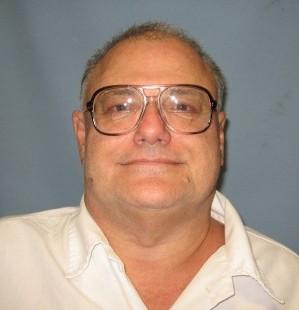
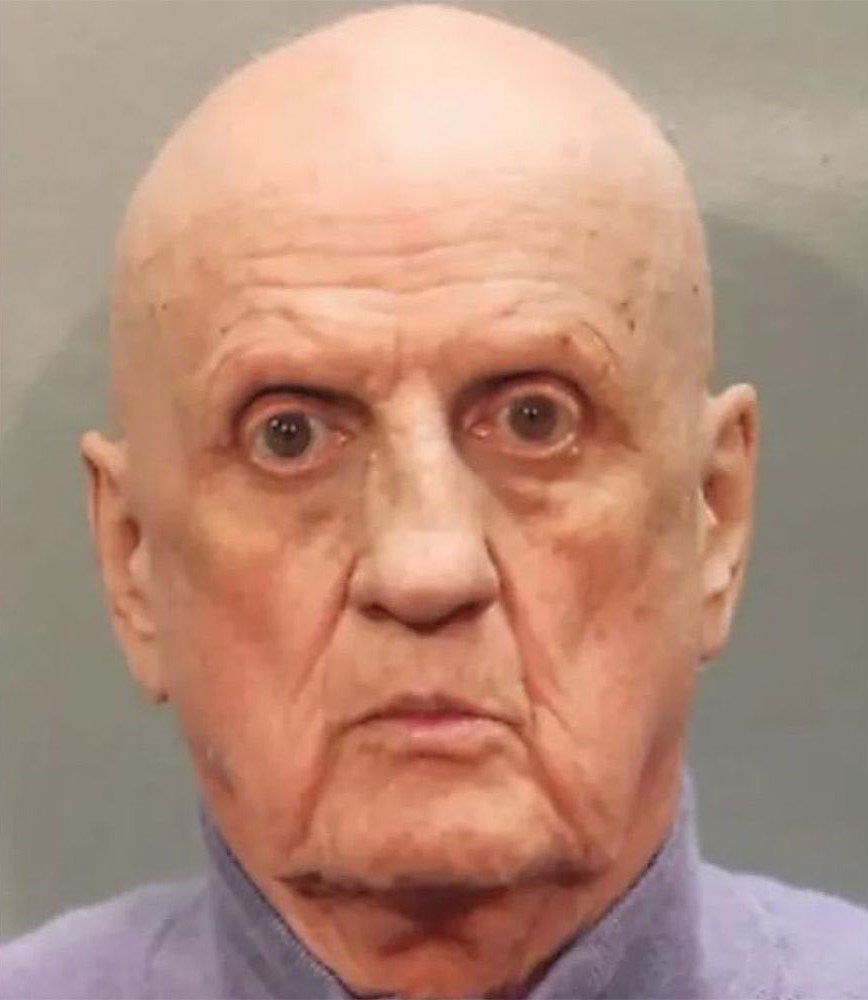
Henry Lee Jones: Murders Across Tennessee and Florida
Background and Criminal History
Henry Lee Jones, also known by the nickname “Bam,” is an American serial killer convicted of murdering three people in Tennessee and Florida. He has also been identified by investigators as the principal suspect in the similar killing of a fourth victim. Jones was born on August 23, 1963, in Cleveland, Mississippi. Long before the murders for which he became notorious, he had accumulated a serious criminal record involving robbery, kidnapping, and theft.
At the age of 18, Jones received a lengthy prison sentence for robbery, kidnapping, and grand theft. He served approximately half of that sentence before being released. His later criminal activity took him through Mississippi, Tennessee, and Florida. Investigators eventually connected his movements to a series of exceptionally violent killings in which victims were restrained, strangled, sexually assaulted in some cases, and cut across the neck.
The murders shared several distinctive characteristics. The victims were found bound or showed marks indicating that restraints had been removed. Their neck injuries consisted of several separate cuts, including shallow wounds and much deeper fatal wounds. Evidence at multiple scenes suggested that the killer attempted to clean blood from his body or remove physical evidence before leaving. These similarities became important when detectives in Tennessee and Florida began comparing cases.
Known and Suspected Victims
- Keith Gross, 24 — likely killed September 6, 2002; discovered September 9, 2002 — Sunrise Boulevard, Fort Lauderdale, Florida: Gross was found inside his residence after he failed to attend a planned gathering and did not report to work. He had been bound, sexually assaulted, and fatally cut across the neck. Jones was never prosecuted for the killing, but authorities identified him as the primary and only known suspect.
- Clarence James — August 22, 2003 — Bartlett Boulevard, Bartlett, Tennessee: Clarence was attacked inside the home he shared with his wife. He was restrained, strangled, and killed with multiple cuts to his neck. His body was left in the laundry room. Jones was convicted of his murder.
- Lillian James — August 22, 2003 — Bartlett Boulevard, Bartlett, Tennessee: Lillian was bound and strangled in the couple’s bedroom before Jones repeatedly cut her neck. Her purse, jewelry, money, and credit cards were stolen. Jones was convicted of her murder.
- Carlos Perez, 19 — killed August 26, 2003; discovered August 27, 2003 — Super 8 motel, Melbourne, Florida: Perez was found wrapped in a comforter on a motel bed. He had been bound, sexually assaulted, repeatedly strangled, and cut across the neck. Jones was convicted of first-degree premeditated murder and sentenced to death.
The Killing of Keith Gross
Keith Gross lived in Fort Lauderdale and worked at a local business. He knew Jones, who presented himself under the nickname “Bam.” The two men had spent time together, and Jones had sold Gross several items. According to testimony later presented in court, Jones became angry because he believed Gross still owed him money. Jones reportedly made threatening statements about Gross to a woman with whom he was staying.
Gross spoke with members of his family on Friday, September 6, 2002. That evening, Jones reportedly appeared at the window of his girlfriend’s residence wearing a bloodstained shirt. He asked her to bring him another shirt and claimed that he had been involved in a fight at Gross’s home. Jones also said that blood had gotten onto a blanket inside a vehicle and that he had disposed of it. He later returned with a knife and placed it beneath a mattress.
Gross failed to arrive for a planned football gathering and did not report to work the following Monday. A concerned friend went to his residence and saw his body through a window. Gross was lying facedown with his hands and legs bound. His body appeared to have been deliberately positioned, and part of it had been covered with a sheet.
An autopsy determined that Gross died from multiple cutting wounds to the neck. The injuries severed major blood vessels and were so deep that the weapon damaged bone in his spinal column. Evidence also indicated that he had been sexually assaulted. Diluted blood around the sink suggested that the killer had attempted to wash away evidence before leaving.
Investigators found a piece of paper bearing the name “Bam” and a telephone number in Gross’s bedroom. A bloody toeprint recovered from the residence was later matched to Jones. Jones admitted knowing Gross, acknowledged that Gross owed him money, and admitted going to the residence after seeing television coverage of the murder. Despite the physical and circumstantial evidence, Jones was never formally charged in the Gross case. Florida authorities nevertheless continued to regard him as the primary suspect.
The Murders of Clarence and Lillian James
On August 22, 2003, Jones traveled from Florida to Bartlett, Tennessee, with a younger man named Tevarus Young. Jones had recently lived near Clarence and Lillian James and was familiar with their neighborhood. Clarence was well known locally for sitting outside his home and greeting people who passed along Bartlett Boulevard.
According to Young’s later testimony, Jones parked some distance from the James residence and approached the house on foot. Clarence was outside when the men arrived. Jones greeted him in a friendly manner, creating the appearance that the visit was harmless. Clarence asked Young to move a lawnmower into the backyard. When Young returned to the front of the house, both Clarence and Jones were gone.
Young entered the residence and encountered Jones carrying bloodstained materials. Clarence had already been attacked and was lying dead in the laundry room. He had been restrained, strangled, and cut repeatedly across the neck. Jones then confronted Lillian in the bedroom, forced her onto the floor, and tied her with a rope.
Jones demanded to know where Lillian kept her purse. He emptied its contents, took valuables, and removed rings from her fingers. Young testified that Jones placed a rope around Lillian’s neck and strangled her while pressing a foot against her back. Jones then used a curved, hook-bladed knife to make several cuts across her neck.
The two men left the residence with money, jewelry, credit cards, and other property. Jones used Lillian’s stolen credit card while traveling south from Tennessee. Purchases and fuel transactions created an electronic trail through Mississippi and Florida. Jones also discarded items from the crime while driving and threatened to kill Young if he told anyone what had happened.
Lillian’s daughter, Margaret Coleman, became concerned when her mother failed to report to work. She went to the Bartlett Boulevard residence on August 23 and discovered the bodies. Lillian was found facedown in the bedroom, while Clarence was found in the laundry room. Both had ligature marks and numerous neck wounds. Blood near a sink indicated that the killer had attempted to clean himself or the weapon.
The Murder of Carlos Perez
Carlos Perez was a 19-year-old living with his father in Wilton Manors, Florida. He sought temporary construction work through Dependable Temps in Fort Lauderdale. Jones had also used the labor agency, and the two men knew one another. Jones later admitted that he and Perez had occasionally used drugs together.
On the morning of August 26, 2003, Perez left home at approximately 4:30 a.m. and signed in at the temporary employment agency. He was not assigned a job that day. Later, Perez and Jones traveled to a Super 8 motel in Melbourne, Florida. Perez rented room 217 shortly after noon and paid cash for one night. Witnesses saw two men arrive in a light-colored vehicle and enter the motel together.
Inside the room, Perez was bound at the wrists and ankles. Medical evidence showed that he was sexually assaulted and subjected to repeated tightening and releasing of a ligature around his neck. The strangulation was not immediately fatal. Jones then inflicted a succession of cuts across Perez’s neck, beginning with shallow wounds and progressing to a deep final wound that severed his windpipe, jugular vein, muscles, and other structures.
Housekeeping employees entered the room around noon on August 27 and discovered Perez wrapped in a comforter on the bed. His head had been covered with a pillow, and blood was visible on the bedding and headboard. Towels, pillowcases, washcloths, and a section of the telephone cord were missing, suggesting that the killer removed restraints and materials that might contain evidence.
Detectives found footwear impressions in the motel bathroom that were consistent with Nike shoes later recovered from Jones’s vehicle. Pubic hair found in the room had characteristics consistent with Jones and produced a mitochondrial DNA profile matching him. Perez’s father also identified a Puerto Rican flag recovered from Jones’s vehicle as one he had given to his son.
How Investigators Connected the Crimes
The investigation accelerated when police discovered that a credit card stolen from Lillian James had been used in Florida. Surveillance footage showed a man driving a white Lincoln Town Car during one of the transactions. The vehicle’s license plate contained the letters “BAM,” Jones’s known nickname.
Florida investigators learned that Jones had recently lived near the James residence in Tennessee. They also discovered that he had been in the Melbourne area close to the time of Perez’s murder. When detectives compared the scenes, they recognized striking similarities: the victims were restrained, strangled, and cut repeatedly across the neck; restraints were removed from some bodies; sexual violence was present in the Florida cases; and the killer appeared to have attempted to clean the scenes.
Young was located after being detained in Florida on an unrelated warrant. He initially gave false information but eventually described the James murders and Jones’s role in them. At the time of his arrest, Young possessed rings belonging to Lillian James. He later pleaded guilty to two counts of facilitation of first-degree murder and received a prison sentence.
Searches of Jones’s vehicles uncovered a hook-bladed knife, a loaded handgun, cleaning supplies, towels, pillowcases, shoes, clothing, Lillian’s ring, and the Puerto Rican flag belonging to Perez. Investigators also traced the use of Lillian’s credit card along the route Jones traveled after leaving Tennessee.
Trials and Death Sentences
Jones was arrested in September 2003 after law-enforcement officers located him in Fort Lauderdale. He attempted to evade authorities but was captured following a brief pursuit. Tennessee prosecutors charged him with the murders of Clarence and Lillian James.
Jones was initially convicted of the Tennessee murders in 2009 and sentenced to death. The Tennessee Supreme Court later overturned the convictions because evidence concerning an unrelated Florida killing had been admitted improperly during the trial. The ruling did not declare Jones innocent; it required prosecutors to try the case again under corrected evidentiary rules.
At his 2015 retrial, Jones was again convicted of murdering Clarence and Lillian James. The jury found him guilty under theories of both premeditated murder and felony murder. He received death sentences for the killings, and the convictions were subsequently upheld on appeal.
Florida authorities indicted Jones for the murder of Carlos Perez in 2011. Jones represented himself during much of the trial, questioning witnesses and challenging the forensic evidence. In 2013, a jury convicted him of first-degree premeditated murder and unanimously recommended death. The trial judge formally imposed the death sentence in 2014, and the Florida Supreme Court affirmed the conviction and sentence in 2017.
Legacy of the Case
Henry Lee Jones was convicted of three murders committed within a matter of days in August 2003, but the suspected killing of Keith Gross indicates that his pattern may have begun at least a year earlier. The Gross investigation contained several links to Jones, including his threats, his appearance in bloodstained clothing, a note bearing his nickname, and a bloody toeprint matched to him. Even so, the case never resulted in a separate prosecution.
The murders of Clarence and Lillian James and Carlos Perez were linked through a combination of witness testimony, stolen property, financial records, vehicle movements, forensic evidence, and the distinctive manner in which the victims were attacked. Jones exploited familiarity and casual relationships to gain access to his victims. He then restrained them, subjected them to prolonged violence, stole property, and attempted to remove or clean evidence.
Jones received death sentences in both Tennessee and Florida. His convictions established him as a serial killer responsible for three confirmed murders, while investigators have continued to associate him with the unsolved murder of Keith Gross. The cases remain a disturbing example of how crimes committed in different jurisdictions can appear unrelated until detectives compare physical evidence, travel records, stolen property, and repeated behavioral patterns.