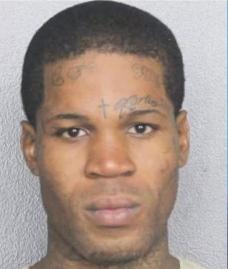
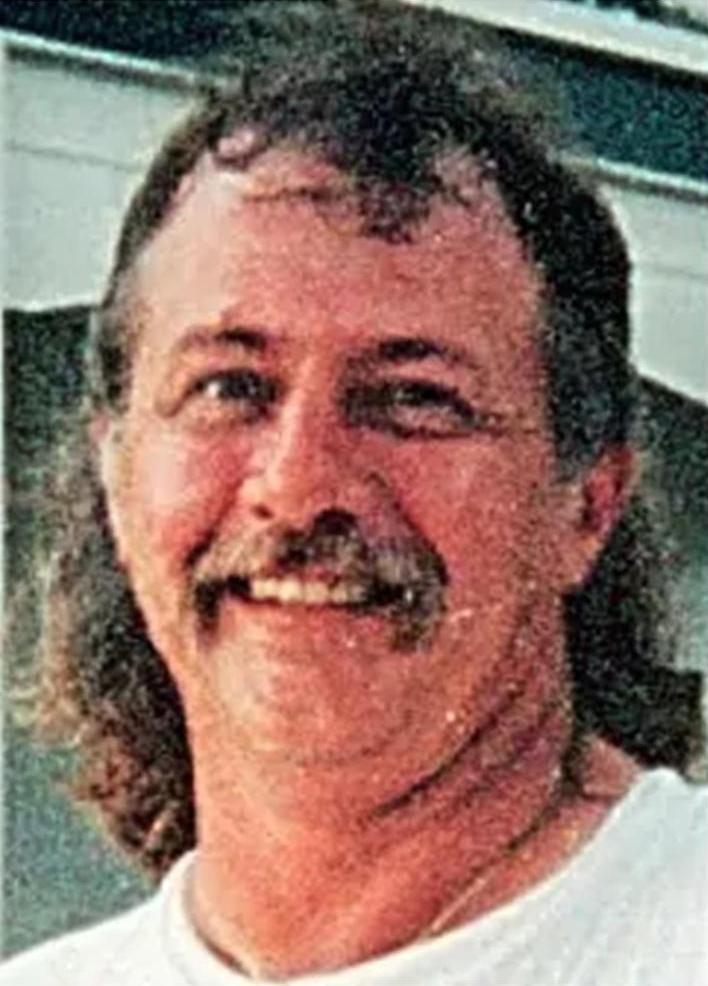
Keith Gross, a 24-year-old man from Fort Lauderdale, Florida, was tragically murdered on September 9, 2002. Gross was an employee at a local store named Kitchens to Go and had previously served a short stint in the army, which made him known for his punctuality and discipline. On the evening of his death, he was supposed to meet his employer, Ken Walker, at Walker's Victoria Park residence to watch a Dolphins game.
However, Gross never arrived, prompting concern from Walker when he also failed to show up for work the next day.
Walker decided to check on Gross at his apartment on Sunrise Boulevard. Peering through a window, he discovered Gross' lifeless body. The scene was gruesome—Gross had been raped, hogtied, and murdered. His killer had tied a T-shirt around his neck and slit his throat with a blade. The brutality of the crime shocked the local community and led to an intense investigation by law enforcement.
Authorities later identified Henry Lee Jones as a suspect in Gross' murder. Jones, a Cleveland native with a long criminal record, had introduced himself to Gross as “Bam” in mid-July 2002. The two reportedly spent time together, often smoking marijuana. Despite warnings from Walker about Jones, Gross continued his association with him. Jones was later convicted of multiple murders in Tennessee and Florida, including the killings of Clarence James and Lillian James in Bartlett, Tennessee, in August 2003. His method of murder often involved tying up his victims, strangling them, and slitting their throats.
Jones was arrested in 2003 for the double murder in Memphis, and authorities in Florida considered whether to bring him back to face charges for Gross' murder. However, it remains unclear whether he was officially charged or tried for Gross' killing. Gross' brother, Michael Gross, expressed a strong desire to see Jones held accountable for his brother's death, while Walker, deeply traumatized by the discovery of his friend's body, was hesitant about reliving the ordeal through court proceedings.
Jones was ultimately sentenced to death in Tennessee in 2009 and later received another death sentence in Florida in 2014 for the murder of Carlos Perez. His criminal history and pattern of violence led prosecutors to classify him as a serial killer. Despite the passage of time, Gross' murder remains a haunting case, leaving lingering questions about justice and closure for his family and friends.