Genene Anne Jones: The Texas Pediatric Nurse Who Murdered Children
Background and Nursing Career
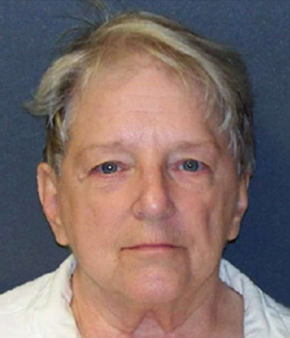
Genene Anne Jones, commonly known as Genene Jones, is an American serial killer and former licensed vocational nurse whose victims were infants and young children placed under her care. Born on July 13, 1950, in Texas, Jones worked in hospitals and medical clinics during the 1970s and early 1980s. She became most closely associated with the pediatric intensive care unit at Bexar County Hospital in San Antonio, now known as University Hospital, and with a pediatric clinic in Kerrville, Texas.
Jones was responsible for administering medication, monitoring critically ill children and responding to emergencies. Instead of protecting her vulnerable patients, prosecutors said she deliberately injected some children with dangerous or excessive amounts of medication. These injections caused sudden seizures, breathing difficulties, internal bleeding, heart failure and other medical crises. Jones would then remain nearby as doctors and nurses attempted to revive the children.
Investigators and former colleagues believed that Jones sometimes created emergencies so she could participate in resuscitation efforts and appear heroic when a child survived. Prosecutors also suggested that she may have wanted to demonstrate the need for more advanced pediatric emergency facilities. Her precise motives have never been conclusively established, and different investigators have offered different explanations for her conduct.
The “Death Shift” at Bexar County Hospital
While working in the pediatric intensive care unit at Bexar County Hospital, Jones became connected to an alarming number of unexplained medical emergencies. Children who had appeared stable would suddenly suffer seizures, cardiac arrests, breathing problems or severe bleeding. Some recovered, while others died.
The concentration of emergencies during Jones’s working hours became so noticeable that members of the hospital staff reportedly referred to her shift as the “death shift.” Statistical reviews later indicated that pediatric patients were considerably more likely to experience a crisis or die while Jones was on duty than during the shifts of other nurses.
Although doctors and nurses became suspicious, proving deliberate poisoning was extremely difficult. Many of the children were already being treated for serious medical conditions, and some of the drugs involved left little evidence after death. Hospital administrators also failed to immediately bring the full pattern of suspicious incidents to law enforcement.
When the pediatric intensive care unit was reorganized, numerous nurses were dismissed or reassigned rather than Jones being individually accused. Important hospital records were reportedly destroyed under routine record-retention practices, making later investigations more difficult. Jones subsequently obtained work at a pediatric clinic operated by physician Kathleen Holland in Kerrville.
The Murder of Chelsea McClellan
The case that first brought Jones to trial involved 15-month-old Chelsea Ann McClellan. On September 17, 1982, Chelsea was taken to the Kerrville pediatric clinic for routine immunizations. Jones administered injections to the child, after which Chelsea rapidly developed breathing difficulties and went into cardiac arrest.
Efforts were made to transport Chelsea from Kerrville to a hospital in San Antonio, but she died during the journey. Jones was present and participated in the attempts to revive her. The sudden death of a previously healthy child immediately raised concerns, particularly because other children treated at the clinic had also experienced unusual medical emergencies.
Chelsea’s body was later exhumed. Laboratory testing produced evidence that she had been injected with succinylcholine, also known by the brand name Anectine. Succinylcholine is a powerful paralytic drug commonly used during medical procedures. It temporarily paralyzes the muscles, including those required for breathing. Without immediate respiratory support, a person who receives a significant dose can suffocate while remaining unable to move.
Jones was tried for Chelsea’s murder in Williamson County because extensive publicity made it difficult to select an impartial jury near Kerrville. Prosecutors argued that Jones had deliberately administered the paralytic drug and then attempted to present herself as a dedicated nurse fighting to save the child. On May 14, 1984, Jones was convicted of murder and sentenced to 99 years in prison.
The Poisoning of Rolando Santos
Jones was separately prosecuted for repeatedly harming Rolando Santos, an infant treated at the Kerrville clinic between December 1981 and January 1982. Rolando suffered several sudden and otherwise unexplained episodes of severe bleeding while under Jones’s care.
Investigators determined that Rolando had been injected with excessive amounts of heparin, a medication used to prevent blood from clotting. In an overdose, heparin can cause uncontrolled and potentially fatal bleeding. The child survived after receiving emergency treatment.
Jones was convicted of injuring Rolando and received a 60-year prison sentence in October 1984. The sentence was ordered to run alongside her 99-year sentence for Chelsea McClellan’s murder.
Confirmed and Alleged Victims
- Richard “Ricky” Nelson: An 8-month-old boy who died on July 3, 1981, while being treated at Bexar County Hospital in San Antonio, Texas. Jones was indicted for his murder in 2017. Prosecutors alleged that he had been injected with an unidentified substance. The charge was later dismissed as part of Jones’s 2020 plea agreement.
- Rosemary Vega: A 2-year-old girl who died on September 16, 1981, at Bexar County Hospital in San Antonio, Texas. Rosemary had undergone surgery related to a congenital heart condition and was reportedly recovering when she suddenly went into cardiac arrest. Her mother later said she saw Jones inject something into Rosemary’s intravenous line shortly before the child’s collapse. Jones was indicted for the murder in 2017, but the charge was dismissed under the 2020 plea agreement.
- Paul Edward Villarreal: A 3-month-old boy who died on September 24, 1981, at Bexar County Hospital in San Antonio, Texas. He had been recovering from surgery involving his skull when he suffered a fatal medical crisis. Prosecutors alleged that he received an excessive dose of heparin. Jones was indicted for his murder in October 2017. The charge was later dismissed under the plea agreement.
- Joshua Earl Sawyer: An 11-month-old boy who died on December 12, 1981, at Bexar County Hospital in San Antonio, Texas. Prosecutors said Jones injected him with a fatal amount of phenytoin, also known as Dilantin, an anti-seizure medication that can cause dangerous heart and respiratory problems in excessive doses. Jones pleaded guilty to Joshua’s murder on January 16, 2020, and received a life sentence.
- Patrick Zavala: A 4-and-a-half-month-old boy who died on January 17, 1982, at Bexar County Hospital in San Antonio, Texas. Prosecutors alleged that Patrick had been injected with an unknown substance before his death. Jones was indicted for his murder in 2017, but the charge was dismissed as part of the 2020 plea agreement.
- Chelsea Ann McClellan: A 15-month-old girl who died on September 17, 1982, while being transported from Kerrville to San Antonio, Texas. Evidence showed that she had been injected with succinylcholine, a drug that paralyzes the muscles needed for breathing. Jones was convicted of Chelsea’s murder on May 14, 1984, and sentenced to 99 years in prison.
- Rolando Santos: An infant who survived repeated heparin overdoses administered between December 1981 and January 1982 at a pediatric clinic in Kerrville, Texas. He suffered dangerous bleeding episodes but recovered after emergency treatment. Jones was convicted in October 1984 and received a 60-year sentence for attempting to kill or seriously injure him.
The Scale of the Suspected Crimes
Jones has been convicted of murdering two children: Chelsea McClellan and Joshua Sawyer. She was also convicted in connection with the poisoning of Rolando Santos, who survived. Four additional murder cases resulted in indictments but were dismissed after Jones accepted responsibility for Joshua’s murder.
The total number of children harmed or killed by Jones remains unknown. Investigators have associated her with dozens of unexplained emergencies and deaths, and public estimates have ranged from more than a dozen possible murders to approximately 60 suspected victims. Those larger figures have never been proven in court and should not be treated as a confirmed victim count.
Determining the exact number was complicated by the poor health of some patients, the difficulty of detecting certain drugs after death and the destruction or loss of hospital records. Several children were buried without toxicological testing because their deaths initially appeared to be the result of existing illnesses. Years later, there was often too little medical evidence remaining to support criminal charges.
Investigation and Institutional Failures
The Jones case exposed serious failures within the medical institutions where she worked. Employees had noticed a pattern of crises during her shifts, but hospital officials did not promptly notify law enforcement or licensing authorities. Instead of openly confronting the suspicions, administrators reorganized the pediatric unit and allowed Jones to leave without a public warning that might have prevented her from obtaining another nursing position.
At the Kerrville clinic, Jones continued to have access to children and injectable medications. The later poisoning of Chelsea McClellan demonstrated the consequences of failing to adequately investigate the earlier deaths and warn future employers.
The case also revealed how a medical professional could exploit the natural uncertainty surrounding the deaths of sick children. A nurse could administer a harmful drug, wait for a crisis and then appear to be helping with resuscitation. Because Jones worked around children who already required medical treatment, each incident could initially be mistaken for an unpredictable complication.
Scheduled Release and New Murder Charges
Despite her 99-year sentence, Jones became eligible for mandatory release under an older Texas law designed to reduce prison overcrowding. Time served and credits for good behavior were combined in calculating a prisoner’s release date. Authorities learned that Jones could be released in March 2018, even though she had served far less than 99 years.
The possibility of her release led the Bexar County District Attorney’s Office to form a task force and reopen suspicious pediatric deaths from the early 1980s. Investigators reviewed surviving records, interviewed relatives and former medical personnel and searched for cases that could still be prosecuted.
In May 2017, Jones was indicted for the murder of Joshua Sawyer. Additional indictments followed for the deaths of Rosemary Vega, Richard Nelson, Patrick Zavala and Paul Villarreal. These charges ensured that Jones remained in custody after her original sentence reached its mandatory-release date.
Guilty Plea and Life Sentence
Jones initially pleaded not guilty to the five new murder charges. Her attorneys challenged the prosecutions because nearly four decades had passed since the children’s deaths. Prosecutors nevertheless prepared an extensive case involving medical records, expert testimony, former hospital workers and relatives of the victims.
On January 16, 2020, shortly before her trial was scheduled to begin, Jones pleaded guilty to murdering Joshua Earl Sawyer. She admitted responsibility for his death and was sentenced to life in prison. Under the agreement, the four remaining murder charges were dismissed.
The sentence requires Jones to serve a substantial period before she can be considered for parole. Combined with her age and previous convictions, the life sentence makes it unlikely that she will ever be released from prison.
Legacy of the Case
Genene Jones’s crimes remain among the most disturbing examples of medical serial murder in the United States. Her position as a pediatric nurse gave her access to medications and placed her close to children who could not explain what had happened to them. It also gave her the trust of frightened parents who believed that the medical staff was doing everything possible to protect their children.
The case is remembered not only for Jones’s actions but also for the missed opportunities to stop her. Medical personnel recognized unusual patterns, yet suspicions were not promptly reported to police. Hospital administrators protected the institution from scandal instead of ensuring that concerns about a dangerous employee followed her to future workplaces.
Although Jones was ultimately convicted of two murders and one additional poisoning, many families were left without definitive answers. The surviving evidence was insufficient to identify every child she may have harmed, and the full extent of her crimes may never be known. Her confirmed convictions, the additional indictments and the extraordinary pattern of pediatric emergencies surrounding her work established her as one of the most notorious healthcare serial killers in American history.