Milton Johnson: The Weekend Murderer
Overview
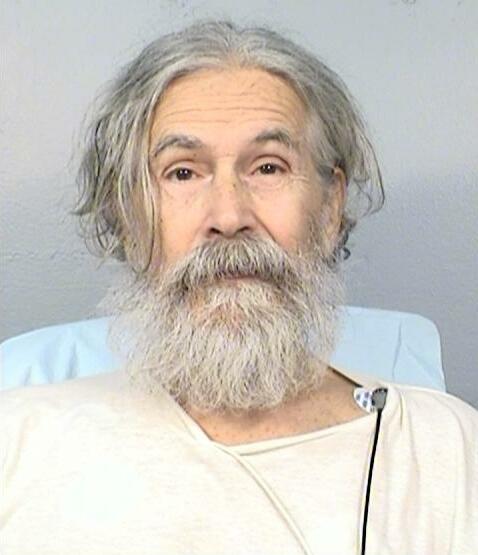
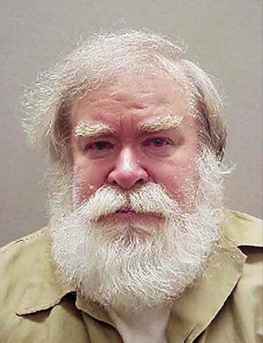
Milton Johnson was an American serial killer and mass murderer who terrorized Joliet and the surrounding communities of Will County, Illinois, during the summer of 1983. Known as the “Weekend Murderer,” Johnson was convicted of five murders and was suspected by investigators of committing nine additional killings. The attacks attributed to him occurred between June and August 1983 and appeared to involve victims selected largely at random.
Johnson’s crimes were notable for their suddenness, extreme violence and lack of an obvious motive. His suspected victims included young couples, elderly sisters, customers inside a ceramic shop and two auxiliary law-enforcement officers. Several people were attacked while sitting in parked vehicles or gathering in isolated rural areas. The apparent randomness of the violence created widespread fear throughout Will County, particularly on weekends, when many of the killings occurred.
Early Criminal History
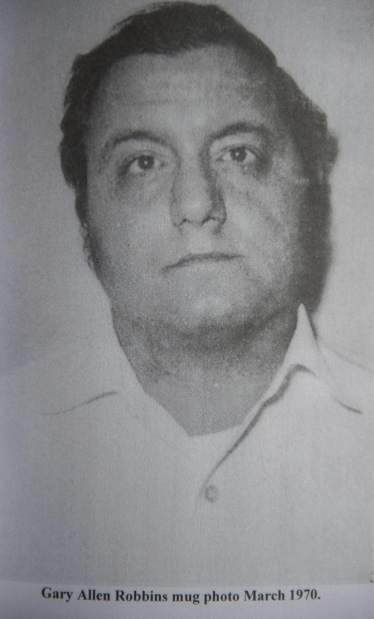
Johnson was born on May 15, 1950, in Joliet, Illinois. His history of serious violence began years before the 1983 murders. In 1970, when he was approximately 19 years old, Johnson attacked and raped a woman in Joliet’s Pilcher Park. During the assault, he tortured the victim with a cigarette lighter. He was convicted of rape and burglary and received lengthy prison sentences.
Despite the severity of the crime, Johnson was released from prison on parole in March 1983. He returned to the Joliet area and lived with members of his family. Less than four months after his release, a series of unexplained murders began. Investigators later concluded that Johnson had moved through rural roads and isolated locations searching for vulnerable victims.
The Beginning of the 1983 Murder Series
The first killings attributed to Johnson occurred on June 25, 1983. Sisters Zita Blum and Honora “Nora” Lahmann were found dead inside their home on Rosalind Avenue in rural Joliet Township. Both women had been shot, and their bodies and residence were set on fire. Investigators believed the fire was intended to destroy evidence. One of the sisters had also been sexually assaulted or tortured.
Johnson was never prosecuted for the sisters’ deaths, but Will County investigators considered him the likely killer. Rare copper-jacketed bullets recovered during the investigation were reportedly similar to ammunition connected to other crimes attributed to him.
One week later, on July 2, 1983, Kenneth Chancellor and Terri Lynn Johnson were shot to death near the Will-Cook County line. The two victims had been together in or near Chancellor’s automobile in a rural area. Terri Johnson’s body was discovered in southwestern Cook County. There was no known personal connection between the victims and Milton Johnson, and robbery did not appear to provide a clear explanation for the killings.
The Homer Township Massacre
On July 16, 1983, five people were fatally attacked in Homer Township in what authorities described as a random slaughter. George Kiehl, Cathleen Norwood, Richard Paulin and Laura Troutman were together near a rural location when a gunman opened fire. Kiehl, Norwood and Paulin were killed, while Troutman survived despite being wounded.
Will County auxiliary officers Denis Foley and Steven Mayer responded to the area and were also shot. Mayer died at the scene or shortly afterward. Foley survived initially but died from his injuries approximately one month later. The murder of two auxiliary officers intensified the investigation and greatly increased fear among local residents.
The killer appeared to have ambushed the group without warning. Nothing publicly established that Johnson knew the victims, and investigators believed the location and opportunity, rather than any personal grievance, determined who was attacked.
The Murder of Anthony Hackett
During the early morning of July 17, 1983, only hours after the Homer Township shootings, 18-year-old Anthony Hackett and his girlfriend were returning home after visiting the Great America amusement park in Gurnee. The couple stopped along Interstate 55 near Wilmington so they could sleep inside Hackett’s car.
At approximately 1:30 a.m., Hackett’s girlfriend awakened to the sound of tapping on a passenger-side window. Gunshots followed, striking Hackett as he slept in the front seat. He was shot four times and killed. The attacker then entered the vehicle, stole personal property and forced Hackett’s girlfriend into a nearby pickup truck.
The woman was sexually assaulted and raped while the attacker drove through the area. He later stabbed her in the chest and abdomen and pushed her from the truck along a road south of Joliet. Although critically injured, she survived and was discovered by a passing motorist. Her description of the attacker and the vehicle became important evidence against Johnson.
Investigators connected the pickup truck used in the crime to Johnson’s stepfather. The survivor later identified Johnson and testified against him. Unlike many of the other murders attributed to Johnson, the Hackett case produced a living eyewitness who could describe the attack and directly connect Johnson to the violence.
The Greenware by Merry Ceramic Shop Murders
On August 20, 1983, four women were murdered inside the Greenware by Merry ceramic shop at 1405 East Cass Street outside Joliet. The business was owned by Marilyn Baers. Barbara Dunbar, Anna Ryan and Anna’s daughter-in-law, Pamela Ryan, had traveled together to the shop that Saturday morning.
The women were restrained and taken into a rear kiln or work area. Marilyn Baers, Barbara Dunbar and Pamela Ryan were killed by repeated stab wounds. Anna Ryan was stabbed and also shot in the neck. Collectively, the four victims suffered dozens of stab wounds. Their purses were removed and later discarded, but money was reportedly left behind, suggesting that theft was not the principal reason for the attack.
The bodies were discovered shortly after noon. Investigators found fingerprints and impressions from Converse All Star shoes that helped connect Johnson to the crime scene. The ceramic shop murders became one of the strongest cases against him because of the physical evidence and the confined location in which the attack occurred.
Victims Linked to Milton Johnson
- Zita Blum, 66: Killed on June 25, 1983, at her home on Rosalind Avenue in rural Joliet Township, Illinois. She was shot, and the residence was set on fire. Johnson was suspected but was not prosecuted for her murder.
- Honora “Nora” Lahmann, 67: Killed with her sister, Zita Blum, on June 25, 1983, in rural Joliet Township. She was shot, and her body was burned inside the residence. Johnson was suspected but not convicted.
- Kenneth Chancellor, 34: Shot to death on July 2, 1983, in a rural area near the Will-Cook County line in Illinois. His killing was considered part of the suspected weekend murder series.
- Terri Lynn Johnson, 19: Shot to death on July 2, 1983. She was attacked with Kenneth Chancellor, and her body was found in southwestern Cook County, Illinois. She was not related to Milton Johnson.
- George Kiehl, 24: Fatally shot on July 16, 1983, during the Homer Township attack in Will County, Illinois.
- Cathleen Norwood, 25: Fatally shot on July 16, 1983, during the same rural Homer Township ambush.
- Richard Paulin, 32: Shot and killed on July 16, 1983, in Homer Township, Illinois.
- Steven Mayer, 22: A Will County auxiliary officer who was fatally shot on July 16, 1983, after responding to the Homer Township attack.
- Denis Foley, 50: A Will County auxiliary officer who was shot on July 16, 1983, in Homer Township. He remained hospitalized before dying from his injuries approximately one month later.
- Anthony Hackett, 18: Shot four times and killed during the early morning of July 17, 1983, while sleeping inside his car along Interstate 55 near Wilmington, Illinois. Johnson was convicted of his murder.
- Marilyn Baers, 45: Owner of the Greenware by Merry ceramic shop. She was stabbed to death inside the business at 1405 East Cass Street near Joliet on August 20, 1983. Johnson was convicted of her murder.
- Barbara Dunbar, 38: Stabbed to death inside the Greenware by Merry ceramic shop on August 20, 1983. Johnson was convicted of her murder.
- Anna Ryan, 75: Stabbed and shot to death inside the ceramic shop on August 20, 1983. Johnson was convicted of her murder.
- Pamela Ryan, 29: Anna Ryan’s daughter-in-law. She was stabbed to death inside the Greenware by Merry ceramic shop on August 20, 1983. Johnson was convicted of her murder.
Investigation and Arrest
The summer murders were investigated by the Will County Sheriff’s Office, the Illinois State Police and other local agencies. Detectives compared bullets, witness accounts, vehicle descriptions, fingerprints and shoe impressions collected from the separate crime scenes. The rare ammunition associated with several shootings suggested that many of the killings had been committed by the same person.
The surviving victim from the Anthony Hackett attack gave investigators a description of the gunman and the pickup truck. Authorities traced a similar black Chevrolet pickup to Johnson’s family. Evidence from the ceramic shop, including fingerprints and footwear impressions, further strengthened the case.
Johnson was arrested on March 9, 1984. Prosecutors concentrated first on the murder of Anthony Hackett and the attempted murder and sexual assault of Hackett’s girlfriend. They later prosecuted Johnson for the four ceramic shop murders. Authorities considered these cases the strongest and most likely to result in convictions.
Trials and Convictions
In 1984, a jury convicted Johnson of murdering Anthony Hackett. He was also convicted of crimes committed against Hackett’s girlfriend, including rape, aggravated kidnapping, deviate sexual assault and attempted murder. Her survival and courtroom testimony provided a direct account of Johnson’s actions.
Johnson was subsequently tried for the murders of Marilyn Baers, Barbara Dunbar, Anna Ryan and Pamela Ryan. During that trial, he chose to represent himself for portions of the proceedings. Prosecutors presented physical evidence connecting him to the ceramic shop, including fingerprints and shoe impressions. The jury found him guilty of the four murders and related felony-murder charges.
Johnson received five death sentences—one for Anthony Hackett and four for the women killed at the ceramic shop. He was not brought to trial for the other nine killings, although investigators continued to identify him as the principal suspect. The decision not to prosecute those cases did not amount to a legal determination of guilt, and those victims should therefore be distinguished from the five people Johnson was convicted of murdering.
Imprisonment and Death
Johnson remained on Illinois’ death row for many years. In January 2003, Governor George Ryan commuted the death sentences of Illinois prisoners to life imprisonment as part of a broad review of the state’s capital punishment system. Johnson’s death sentences were therefore converted to life terms, ensuring that he would remain imprisoned without being executed.
He spent the remainder of his life at Menard Correctional Center in Chester, Illinois. Johnson reportedly made no public confession to the additional murders and expressed no known remorse for the victims whose deaths were attributed to him.
Milton Johnson died in custody at Menard Correctional Center on May 16, 2025, one day after his 75th birthday. His death ended more than four decades of incarceration but left unresolved the legal status of the nine murders for which he was suspected but never tried.
Impact of the Crimes
The murders attributed to Johnson transformed the summer of 1983 into a period of intense fear for residents of Joliet and rural Will County. The victims did not fit a single age group, occupation or social background. They included teenagers, elderly women, business customers, couples and auxiliary officers. This absence of a clear victim type made the threat feel unpredictable.
Johnson’s case also raised questions about parole and the supervision of violent offenders. He had served approximately 13 years for a brutal rape before being released only months before the murders began. The fact that a man with such a serious history was free during the killing series became an enduring and troubling part of the case.
Although Johnson was legally convicted of five murders, investigators connected him to a total of 14 deaths during the summer of 1983. The surviving witnesses, forensic evidence and successful prosecutions ended the immediate threat, but the families of the nine suspected victims never received separate murder convictions establishing his responsibility beyond a reasonable doubt.