Louis Chaves: The Killer in the Camper
Overview
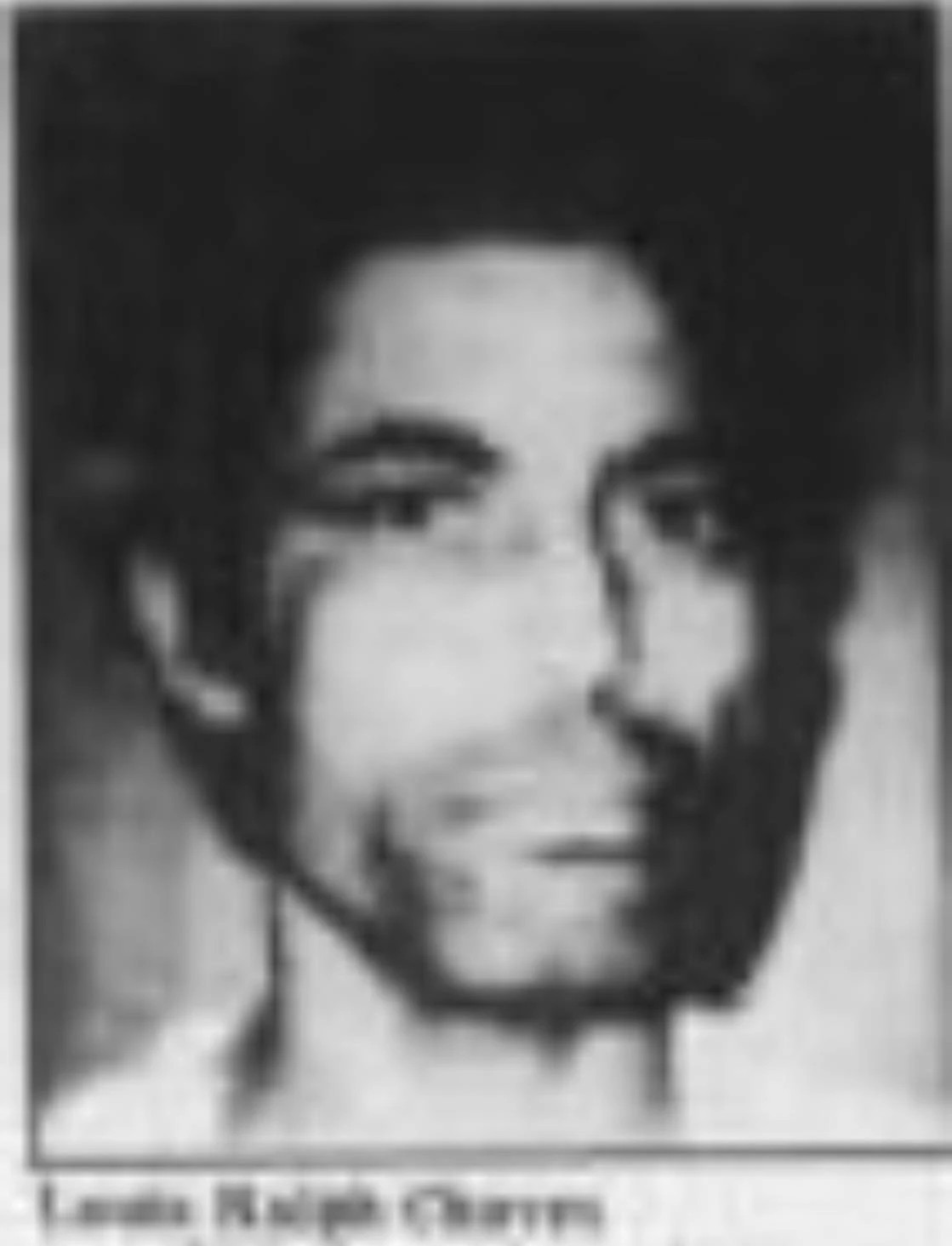
Louis Ralph Chaves is a convicted murderer whose violent crimes, separated by nearly two decades, left an indelible mark on two California communities. His criminal history is defined by a brutal double homicide in 1968 and the shocking murder of a police officer in 1987. Born in the Dominican Republic, Chaves led a transient life plagued by severe mental illness, which often manifested in religious delusions and violent outbursts. His first known killings occurred in El Monte, where he murdered his landlords. For this, he was convicted of second-degree murder but served only seven years in prison before being paroled.
After his release, Chaves drifted across the United States, his mental state deteriorating as he lived out of a camper. He eventually returned to California, where his erratic behavior culminated in a fatal confrontation in Hayward. On March 25, 1987, during a standoff with police, Chaves murdered Officer Benjamin Worcester, a respected five-year veteran of the force. This act led to a conviction for first-degree murder and a sentence of 25 years to life. Despite the gravity of his crimes and repeated parole denials, Chaves was granted medical parole in December 2022 after serving 35 years. His release reignited profound grief and outrage for the victims' families and the law enforcement community, closing a dark chapter while leaving behind a legacy of loss and questions about justice.
Early Life and Background
Louis Ralph Chaves was born in the Dominican Republic around 1943. Details of his childhood and his journey to the United States are scarce. By the late 1960s, he was living in Southern California, where those who knew him painted a picture of a man grappling with profound mental and emotional turmoil. He was described as intensely religious, often claiming to receive direct communications from God and believing he was a messianic figure destined for greatness.
This religious fanaticism was coupled with a documented history of mental illness. He was known to use aliases, including Louis Chavez and Louis Notclay. His life was one of instability, moving from place to place and struggling to maintain a foothold in society. This underlying volatility and detachment from reality would eventually explode into violence, setting the stage for his first documented murders.
The 1968 El Monte Murders
In 1968, while residing in El Monte, a city in Los Angeles County, Chaves became embroiled in a dispute with his landlords. The disagreement escalated into a horrific act of violence. Chaves attacked the couple, a man and a woman, bludgeoning and stabbing them to death. The identities of these two victims have been lost to public record over the decades; contemporary and later reports refer to them only as "an elderly couple" or "his landlords." This anonymity is a tragic void in the story, obscuring the lives of the first two people Chaves is known to have killed.
Chaves was arrested and charged with the double homicide. The legal proceedings resulted in a conviction on two counts of second-degree murder. He was sentenced to prison and incarcerated at the California Men's Colony in San Luis Obispo. In a decision that would have devastating future consequences, Chaves served only seven years of his sentence. He was granted parole in 1976 and released back into society, a free man who had already taken two lives.
A Life Adrift
Freedom did not bring stability for Louis Chaves. Upon his release, he embarked on a nomadic existence, living out of a recreational vehicle and wandering across the country. His travels reportedly took him as far as the East Coast, to New Jersey, and to the far north in Alaska. During this decade of aimless drifting, his mental health remained a significant issue. He was institutionalized for periods in mental hospitals in New Jersey, but no treatment appeared to resolve his underlying psychosis or violent tendencies.
By the summer of 1986, Chaves had piloted his camper back to California, settling in the East Bay region near San Francisco. His presence quickly drew the attention of local law enforcement. His erratic and often confrontational behavior was a constant source of trouble. In December 1986, just three months before his final crime, Chaves was involved in a bizarre and violent incident in a San Leandro courtroom. During a hearing for a minor offense, he attacked a bailiff, biting the officer and attempting to wrestle his gun away. For this assault, he was sentenced to a mere nine days in jail and placed on two years of probation. The incident was a stark and violent precursor to the tragedy that would soon unfold.
The Murder of Officer Benjamin Worcester
On the evening of Wednesday, March 25, 1987, Chaves parked his dilapidated camper on Panjon Street, a quiet residential road in Hayward. Its presence and the strange behavior of its occupant concerned residents, who contacted the Hayward Police Department at approximately 6:37 p.m. to report a suspicious vehicle.
Three officers were dispatched to the scene: Officer Benjamin "Benjie" Worcester, a 29-year-old field training officer; his trainee, Officer Don Attix; and Officer Dan McCormick. Worcester, a highly respected five-year veteran of the force, took the lead. Upon their arrival, they found Chaves inside the RV, refusing to communicate or comply with their orders.
The officers attempted to de-escalate the situation, speaking to Chaves for several minutes, but he grew increasingly agitated and hostile. He barricaded himself inside and began shouting threats. The standoff took a dangerous turn when Chaves grabbed an aerosol can of carburetor cleaner and a lighter, fashioning a makeshift flamethrower. He sprayed a jet of fire through a window at the officers, narrowly missing them.
At that point, the officers determined they had to make a forced entry to arrest him. Officer Worcester made the fateful decision to go in first. As he entered the cramped and cluttered confines of the camper, Chaves ambushed him. A violent, close-quarters struggle ensued in the dim light. Armed with a 7-inch hunting knife, Chaves stabbed Worcester multiple times. The fatal wound was a deep slash to the neck that severed his carotid artery.
Officers Attix and McCormick, who had followed Worcester inside, were also engaged in the struggle with the powerfully built Chaves. In the chaos, they were unaware that their colleague had been mortally wounded. They managed to subdue Chaves, drag him out of the RV, and place him under arrest. It was only after securing the suspect in a patrol car that they realized Officer Worcester was no longer with them. Rushing back to the camper, they found him lying on the floor, bleeding profusely. Paramedics arrived and rushed him to Eden Hospital, but his injuries were too severe. Officer Benjamin Worcester was pronounced dead.
The Victims
- Unknown Male and Female — In 1968, Chaves murdered his landlords in El Monte after a dispute. Their names are not available in public records, a somber detail that underscores how their killer was released after only seven years to kill again.
- Benjamin Warren Worcester, 29 — On March 25, 1987, Officer Worcester was killed in the line of duty in Hayward. Known for his professionalism and dedication, he was a field training officer entrusted with mentoring new recruits. A graduate of Irvington High School in Fremont, he had served four years in the U.S. Navy as a jet mechanic on the USS Kitty Hawk before joining the Hayward Police Department in 1982. He was remembered by colleagues as a skilled and courageous officer who loved his job. He was survived by his 4-year-old daughter, his ex-wife, his parents, two brothers, a sister, and his fiancée, whom he was planning to marry.
Investigation and Capture
The capture of Louis Chaves was immediate, as he was apprehended at the scene of the crime by the very officers who had witnessed his attack on their colleague. The investigation was straightforward; Chaves was taken into custody covered in blood, the murder weapon was recovered from the RV, and the events leading to the murder were witnessed by two other officers and neighborhood residents.
The focus of the legal case would not be on Chaves's guilt, which was never in serious doubt, but on his mental state. His long history of psychiatric problems and his bizarre behavior before and during the crime made his competency to stand trial the central legal question.
Trial and Sentence
At his arraignment, Chaves appeared distraught, weeping as he told the judge, "I want you to review my past so I can rest my case and condemn myself in silence." This apparent remorse did not simplify the legal path forward. In October 1988, a judge initially found him competent to stand trial, but this decision was later reversed on appeal. Chaves was committed to Atascadero State Hospital, a maximum-security psychiatric facility, for evaluation and treatment.
After a period of treatment, he was eventually deemed competent, and the criminal proceedings resumed. Chaves was ultimately convicted of first-degree murder for the death of Officer Worcester. The court also considered his two prior second-degree murder convictions from 1968 as aggravating factors. He was sentenced to 25 years to life in prison, with the possibility of parole.
Over the next three decades, Chaves was denied parole on multiple occasions. At a 2018 hearing, Governor Jerry Brown personally reversed a parole board recommendation for his release, stating that Chaves still posed an "unreasonable danger to society if released." Governor Brown noted that Chaves had shown a lack of insight into his crimes and mental illness, continuing to blame his victims.
Aftermath and Release
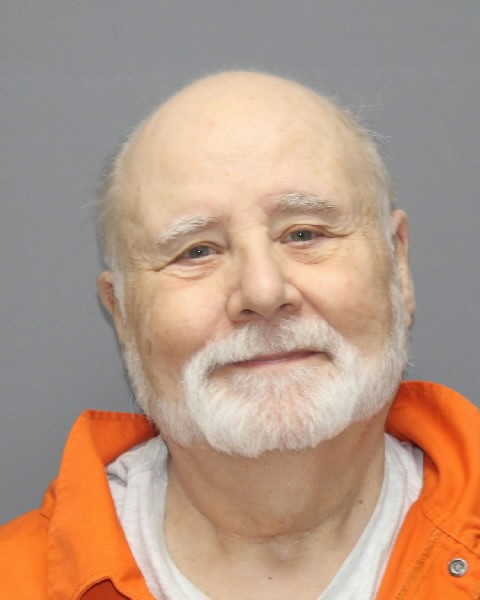
Louis Ralph Chaves remained incarcerated for 35 years. In December 2022, the California Board of Parole Hearings granted him medical parole. The decision was based on a determination that he was "permanently medically incapacitated" and no longer a threat. The news of his release was met with shock and anger by the Hayward Police Department, the law enforcement community at large, and the surviving family of Benjamin Worcester.
The Hayward Police Department issued a statement expressing its profound disappointment, highlighting the promise made to Worcester's family that his killer would die in prison. For them, the release of Chaves was a betrayal of justice and a painful reopening of old wounds. The case of Louis Chaves serves as a tragic illustration of the failures of the justice and mental health systems—a man who killed, was released to kill again, and was ultimately freed in old age, leaving a legacy of irreversible loss and enduring grief.