Jennifer Anne Hall: The Missouri Hospital Deaths
Who Was Jennifer Anne Hall?
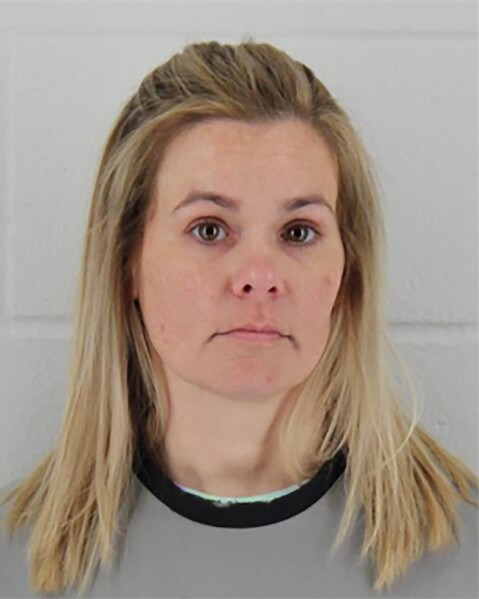
Jennifer Anne Hall was a respiratory therapist who worked at Hedrick Medical Center in Chillicothe, Missouri, from December 2001 until May 2002. During the approximately five months that Hall worked at the hospital, an unusually large number of patients experienced sudden and serious medical emergencies. Eighteen patients suffered "code blue" events, and nine of those patients died. Investigators later focused on Hall because she was reportedly present or nearby during many of these emergencies and because the number of codes dropped sharply after she was removed from duty.
For years, Hall denied deliberately harming patients. The case remained unresolved for roughly two decades as investigators reviewed medical records, toxicology findings, witness statements and allegations that patients had been given medications that were not medically necessary. In 2022, Hall was finally arrested and charged in connection with one of the deaths. Additional charges followed, and in 2023 she entered a plea agreement that resulted in convictions for two patient deaths and an attempted assault involving another patient who survived.
How the Patients Were Harmed
The investigation centered on the suspected unauthorized use of powerful medications, including succinylcholine, morphine and insulin. Succinylcholine is a muscle-paralyzing medication used during certain medical procedures. If it is administered without proper respiratory support, it can paralyze the muscles needed for breathing and create a sudden, potentially fatal respiratory emergency.
Insulin can also become extremely dangerous when given to someone who does not medically require it. Excessive insulin can cause blood sugar to fall to dangerously low levels, potentially leading to confusion, seizures, unconsciousness, brain injury or death. Investigators alleged that Hall used her position in the hospital to create or contribute to medical crises that could initially appear to be natural complications of a patient's illness.
Known Victims and Patients Connected to Hall
- Norma Pearson — March 6, 2002 — Hedrick Medical Center, Chillicothe, Missouri. Pearson survived an incident in which Hall later admitted placing insulin into equipment associated with Pearson's breathing treatment. Hall pleaded guilty to second-degree attempted assault for the incident. Pearson did not die during the 2002 attack and lived until 2011. She should therefore be considered a surviving victim of Hall rather than one of the patients Hall was convicted of killing.
- Shirley R. Eller — March 9, 2002 — Hedrick Medical Center, Chillicothe, Missouri. Eller was one of the patients whose death was later identified in civil litigation concerning the suspicious series of emergencies at Hedrick Medical Center. Her family alleged that Hall administered unauthorized medication that caused her death. Hall was not criminally convicted of killing Eller.
- David Wesley Harper, 37 — March 21, 2002 — Hedrick Medical Center, Chillicothe, Missouri. Harper had been hospitalized for bronchitis and was reportedly improving. Investigators alleged that he suddenly deteriorated after receiving unauthorized medication. More than twenty years later, Hall was charged with first-degree murder in connection with Harper's death. That murder charge was later dismissed as part of Hall's plea agreement, meaning she was never convicted of killing Harper.
- Coval Gann, 82 — March 30, 2002 — Hedrick Medical Center, Chillicothe, Missouri. Gann was a retired Missouri conservation employee and World War II veteran. He experienced a sudden medical emergency and died on March 30, 2002. Hall eventually pleaded guilty to first-degree involuntary manslaughter in connection with his death.
- Clarence Bailey Warner — April 15, 2002 — Hedrick Medical Center, Chillicothe, Missouri. Warner was another patient whose death was later included in civil allegations surrounding the hospital. Court filings alleged that Hall administered unauthorized medication that contributed to his death. Hall was not criminally convicted of killing Warner.
- Fern Franco, 75 — May 18, 2002 — Hedrick Medical Center, Chillicothe, Missouri. Franco had been admitted to the hospital with pneumonia. She died after suffering a sudden medical emergency on May 18, 2002. Investigators later alleged that she had been given unauthorized drugs, including succinylcholine and morphine. Hall ultimately pleaded guilty to first-degree involuntary manslaughter for Franco's death.
The Attack on Norma Pearson
Norma Pearson is an important part of the Jennifer Hall case because she was a surviving victim whose case resulted in a criminal conviction. On March 6, 2002, Pearson was receiving medical treatment at Hedrick Medical Center when Hall placed insulin into equipment connected with Pearson's breathing treatment. Pearson survived the incident.
More than twenty years later, Hall admitted criminal responsibility for what happened to Pearson by pleading guilty to second-degree attempted assault. Pearson later died in 2011, years after the hospital incident. Her death was therefore not treated as a homicide caused by Hall. Pearson's case is significant because it provides one of the clearest examples of Hall being held criminally responsible for deliberately or recklessly interfering with a patient's medical treatment without causing the patient's immediate death.
The Death of David Wesley Harper
David Wesley Harper was only 37 years old when he died on March 21, 2002. He had been admitted to Hedrick Medical Center suffering from bronchitis and was reportedly improving. Harper remained at the hospital while medical personnel evaluated his ability to tolerate respiratory equipment. Hall, as a respiratory therapist, was involved in respiratory care at the hospital during this period.
Harper suddenly experienced a severe medical crisis and died. Investigators later suspected that his death had been caused by unauthorized medication rather than by the illness that originally brought him to the hospital. In February 2023, prosecutors charged Hall with first-degree murder in connection with Harper's death. The charge was eventually dismissed as part of Hall's plea agreement. As a result, Harper is frequently identified as a suspected victim, but Hall was never convicted of causing his death.
The Death of Coval Gann
Coval Gann was 82 years old when he died at Hedrick Medical Center on March 30, 2002. Gann had worked for the Missouri Department of Conservation and had served in World War II. Accounts of his final hours indicated that he had been alert enough to spend time watching basketball with his son before he suddenly suffered a catastrophic medical emergency.
Gann's death eventually became one of the two deaths for which Hall accepted criminal responsibility. In 2023, she pleaded guilty to first-degree involuntary manslaughter in connection with his death. Unlike several other suspicious patient deaths associated with Hall's time at Hedrick, Gann's death resulted in an actual homicide-related conviction.
The Death of Fern Franco
Fern Franco, 75, was admitted to Hedrick Medical Center on May 17, 2002, while suffering from pneumonia. The following morning, May 18, she suddenly deteriorated and died. Her death eventually became one of the central cases in the investigation of Hall.
Authorities alleged that Franco had been given medication that had not been prescribed for her, including succinylcholine and morphine. Succinylcholine can cause paralysis of the respiratory muscles, making it impossible for a patient to breathe without immediate assistance. Franco's death occurred near the end of Hall's employment at Hedrick Medical Center. Hall was placed on administrative leave shortly afterward and did not return to work there.
In May 2022, approximately twenty years after Franco died, Hall was arrested and charged with first-degree murder in connection with her death. The case was later resolved through a plea agreement, with Hall pleading guilty to first-degree involuntary manslaughter rather than murder.
The Unusual Number of Code Blue Emergencies
One of the most disturbing aspects of the case was the sheer number of medical emergencies that occurred while Hall was working at Hedrick Medical Center. During her approximately five months at the hospital, 18 patients experienced code-blue emergencies and nine died. For a relatively small hospital, investigators considered the concentration of emergencies highly unusual.
Hall attracted suspicion partly because coworkers reported seeing her near a number of the patients when they suddenly deteriorated. Some patients had apparently been stable or improving before suffering unexpected respiratory or cardiac emergencies. Investigators also examined whether certain patients had received medications that had not been ordered by their physicians.
After Hall was removed from duty in May 2002, the unusual concentration of code-blue emergencies ended. That pattern became an important part of the circumstantial evidence examined by investigators over the following years.
Why the Investigation Took So Long
Investigating suspicious deaths inside a hospital can be extremely difficult. Many hospital patients already suffer from serious medical conditions, so a sudden decline may initially appear to be a natural consequence of illness. Drugs such as succinylcholine, morphine and insulin also have legitimate medical uses, which can complicate efforts to determine whether their presence was intentional, accidental or medically justified.
In Hall's case, suspicions existed relatively soon after the deaths, but prosecutors did not initially believe they had enough evidence to prove a murder case beyond a reasonable doubt. Families of some patients later filed civil claims, preserving allegations that Hall had administered unauthorized medications. Investigators continued reviewing the deaths over the years until authorities eventually brought criminal charges in 2022.
Arrest, Plea Agreement and Sentence
Hall was arrested in 2022 and initially faced a first-degree murder charge involving Fern Franco. Prosecutors later filed another first-degree murder charge involving David Wesley Harper. The criminal investigation also included other patients who had suffered suspicious medical emergencies during Hall's employment.
In April 2023, Hall reached a plea agreement with prosecutors. She pleaded guilty to two counts of first-degree involuntary manslaughter for the deaths of Fern Franco and Coval Gann. She also pleaded guilty to second-degree attempted assault for the attack on Norma Pearson. The murder charges and other accusations were dismissed as part of the agreement.
In August 2023, Hall was sentenced to a total of 18 years in prison. Her convictions legally established her responsibility for the deaths of Franco and Gann and for the attempted assault on Pearson. However, she was never convicted of killing the other patients whose deaths had been investigated or alleged in civil proceedings.
Was Jennifer Hall a Serial Killer?
Jennifer Hall is frequently described in news reports, crime databases and discussions of the case as a suspected medical serial killer because of the number of suspicious deaths and medical emergencies that occurred while she worked at Hedrick Medical Center. However, there is an important legal distinction between suspicion and conviction.
Hall was convicted of two counts of involuntary manslaughter, not multiple counts of murder. She was also convicted of attempted assault involving Norma Pearson. David Wesley Harper, Shirley R. Eller and Clarence Bailey Warner have all been associated with allegations or investigations involving Hall, but she was not criminally convicted of killing them.
The nine deaths that occurred during the 18 code-blue emergencies therefore should not automatically be described as nine proven murders committed by Hall. Some remain suspicious, but only the deaths of Fern Franco and Coval Gann resulted in homicide-related convictions against her.
Conclusion
The Jennifer Anne Hall case remains one of Missouri's most disturbing medical crime investigations. During only a few months at Hedrick Medical Center, an extraordinary number of patients suddenly suffered life-threatening emergencies. Some died, while others, including Norma Pearson, survived alleged attempts to interfere with their treatment.
Two decades after the events, Hall finally admitted criminal responsibility for the deaths of Fern Franco and Coval Gann and for the attempted assault on Norma Pearson. Questions remain about several other patients who died during her time at the hospital, including David Wesley Harper, Shirley R. Eller and Clarence Bailey Warner. Although Hall's criminal convictions cover only two deaths and one surviving victim, the unexplained pattern of emergencies surrounding her employment has continued to make the Hedrick Medical Center case a troubling example of suspected medical serial killing.