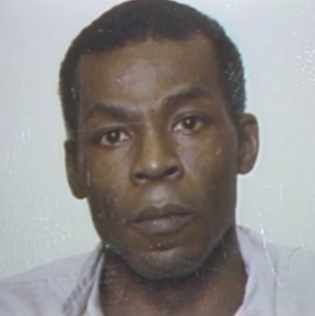
Larry Craig Green and the San Francisco Zebra Murders
Larry Craig Green was one of four men convicted in connection with the notorious series of killings and shootings that became known as the Zebra murders. The crimes terrorized San Francisco from October 1973 through April 1974. Green, Jessie Lee Cooks, Manuel Moore, and J.C.X. Simon were prosecuted as members of a murder conspiracy in which victims were attacked largely at random. The attacks were racially motivated, with most victims selected because they were white. Police eventually called their investigation "Operation Zebra," using the name associated with the special "Z" police-radio frequency assigned to the case.
Green's Role in the Crimes
It is important to distinguish between crimes personally proved against Green and murders attributed to the wider Zebra conspiracy. Green was specifically convicted of first-degree murder in the killing of Quita Hague, as well as kidnapping, robbery, and conspiracy to commit murder. Prosecutors also presented evidence connecting him to the group, its vehicles, meetings, and the broader conspiracy. The appellate record states that Green and Cooks were accused of kidnapping, robbing, and murdering Quita Hague and of kidnapping, robbing, and assaulting her husband, Richard Hague, on October 20, 1973.
The Murder of Quita Hague
On the night of October 20, 1973, Richard and Quita Hague left their home on Chestnut Street in San Francisco for an evening walk. Near Chestnut and Powell Streets, they were confronted and forced into a Dodge van. Richard Hague was bound and beaten unconscious. The van was then driven to a dark industrial section of southern San Francisco near railroad tracks. According to prosecution testimony accepted by the jury, Green pulled Quita Hague from the van and killed her with a machete. Richard was also attacked but survived. At approximately 11:00 p.m., a motorist discovered the badly injured Richard near 25th and Minnesota Streets. Police searching the area found Quita's body on nearby railroad tracks.
The investigation produced important evidence against Green. The kidnappers had used a white or beige van containing furniture-moving pads, and Green owned a beige 1971 Dodge van used in his work at Black Self Help. The day after the Hague attack, police stopped Green while he was driving that van. Investigators later recovered Quita Hague's wedding ring from the woman who had been engaged to prosecution witness Anthony Harris. Harris testified that Green had removed the ring from Quita and offered it to him following the killing. Green denied involvement, but the jury found the evidence sufficient to convict him.
Victims Connected to the Zebra Murder Spree
The following are the known fatal victims associated with the Zebra murder series. These murders were part of the larger conspiracy for which Green and his co-defendants were prosecuted; the list should not be interpreted to mean that Green was personally proved to have carried out every individual killing.
- Quita Hague — October 20, 1973 — San Francisco: Abducted near Chestnut and Powell Streets while walking with her husband. She was taken to an industrial railroad area in southern San Francisco and murdered. Green was specifically convicted of her murder.
- Frances Rose — October 29, 1973 — San Francisco: Shot and killed near the entrance to the University of California Extension center. Jessie Lee Cooks was arrested and separately convicted for her killing. Some later historical accounts give October 30, but the Global Terrorism Database records the attack as October 29.
- Saleem Erakat — November 25, 1973 — San Francisco Civic Center area: Found murdered inside his store across from the Civic Center. His hands had been bound and the cash register had been emptied.
- Paul Dancik — December 11, 1973 — San Francisco: Shot while standing with a friend near a public telephone. Investigators recovered .32-caliber shell casings, a type of ammunition repeatedly associated with the Zebra shootings.
- Marietta DiGirolamo — December 13, 1973 — Divisadero Street, San Francisco: Shot at close range while walking south on Divisadero Street toward Haight Street. Her murder occurred less than two hours after future San Francisco mayor Art Agnos was shot and seriously wounded in another Zebra attack.
- Ilario Bertuccio — December 20, 1973 — San Francisco: Shot repeatedly while crossing a street on his way home from work.
- Neal Moynihan — December 22, 1973 — Near Market Street, San Francisco: Shot three times while walking near Market Street.
- Mildred Hosler — December 22, 1973 — Downtown San Francisco: Murdered only minutes after the Moynihan shooting. She was shot repeatedly while heading toward a bus stop.
- John Doe #169 — December 24, 1973 — Ocean Beach, San Francisco: An unidentified man's dismembered remains were discovered at Ocean Beach. Later testimony connected the killing with the Zebra conspiracy. The victim was eventually identified through DNA decades later, although his name was not publicly released.
- Tana Smith — January 28, 1974 — San Francisco: Shot on a sidewalk several blocks from her home during a rapid series of attacks that left four people dead in a single evening.
- Vincent Wollin — January 28, 1974 — San Francisco: Shot near his home while searching through discarded items that he could repair and sell. Friends were waiting nearby to celebrate his birthday.
- John Bambic — January 28, 1974 — San Francisco: Shot in the back during the same evening of attacks that killed Smith, Wollin, and Holly.
- Jane Holly — January 28, 1974 — 1440 Silver Avenue, San Francisco: Shot while doing laundry inside the Lightning Coin Launderette. Her killing became one of the best-known incidents of the January shooting spree.
- Thomas "Tom" Rainwater — April 1, 1974 — Geary and Webster Streets, San Francisco: Rainwater and fellow Salvation Army cadet Linda Story were shot while going to get something to eat. Rainwater was killed; Story survived despite suffering serious injuries.
- Nelson Shields IV — April 16, 1974 — San Francisco: Shot while making room in a friend's vehicle for a rug he had just purchased. His murder became the final fatal attack generally included in the principal Zebra murder series.
Investigation and Arrest
The seemingly unpredictable shootings created intense fear throughout San Francisco. Witnesses frequently described young Black male attackers, and investigators found similarities among several crime scenes, including the repeated use of .32-caliber firearms. After the January 28 killings, police expanded Operation Zebra into one of the largest manhunts in the city's history. The investigation also became highly controversial because police stopped and questioned large numbers of Black men who matched a broad suspect description.
The decisive break came from Anthony Harris, an associate of Green and the other defendants. Harris contacted police in April 1974 and supplied information about suspects, vehicles, meeting places, weapons, and crimes that investigators believed contained details unavailable to the general public. His information led authorities to place suspects under surveillance and conduct coordinated arrests on May 1, 1974. Green was among those arrested. Harris later testified under immunity and was legally treated as an accomplice, meaning his testimony required independent corroboration.
Trial, Conviction, and Sentence
The trial of Green, Cooks, Moore, and Simon began in March 1975 and continued for approximately a year. In March 1976, the jury found all four defendants guilty of the charges brought against them. Green was convicted of first-degree murder for the death of Quita Hague, along with robbery, kidnapping-related offenses, and conspiracy to commit murder. On March 29, 1976, the defendants were sentenced to life imprisonment under California's sentencing system at the time.
Legacy of the Case
The Zebra murders remain one of the most disturbing chapters in San Francisco's criminal history because the victims were largely strangers selected without any personal connection to their attackers. The combination of racial hatred, random street violence, surviving witnesses, an enormous police investigation, and a year-long trial made the case nationally notorious. Green has consistently maintained his innocence, but his convictions survived appellate review. He became the last surviving member of the four principal defendants and remained imprisoned decades after the crimes.
As of July 2026, Larry Craig Green remained incarcerated after another parole denial. More than fifty years after the killings, his name remains closely associated with the Zebra case, although the legal record is clearest on one essential distinction: Green was personally convicted of murdering Quita Hague, while his responsibility for the wider series rested principally on his conviction for participating in the murder conspiracy.