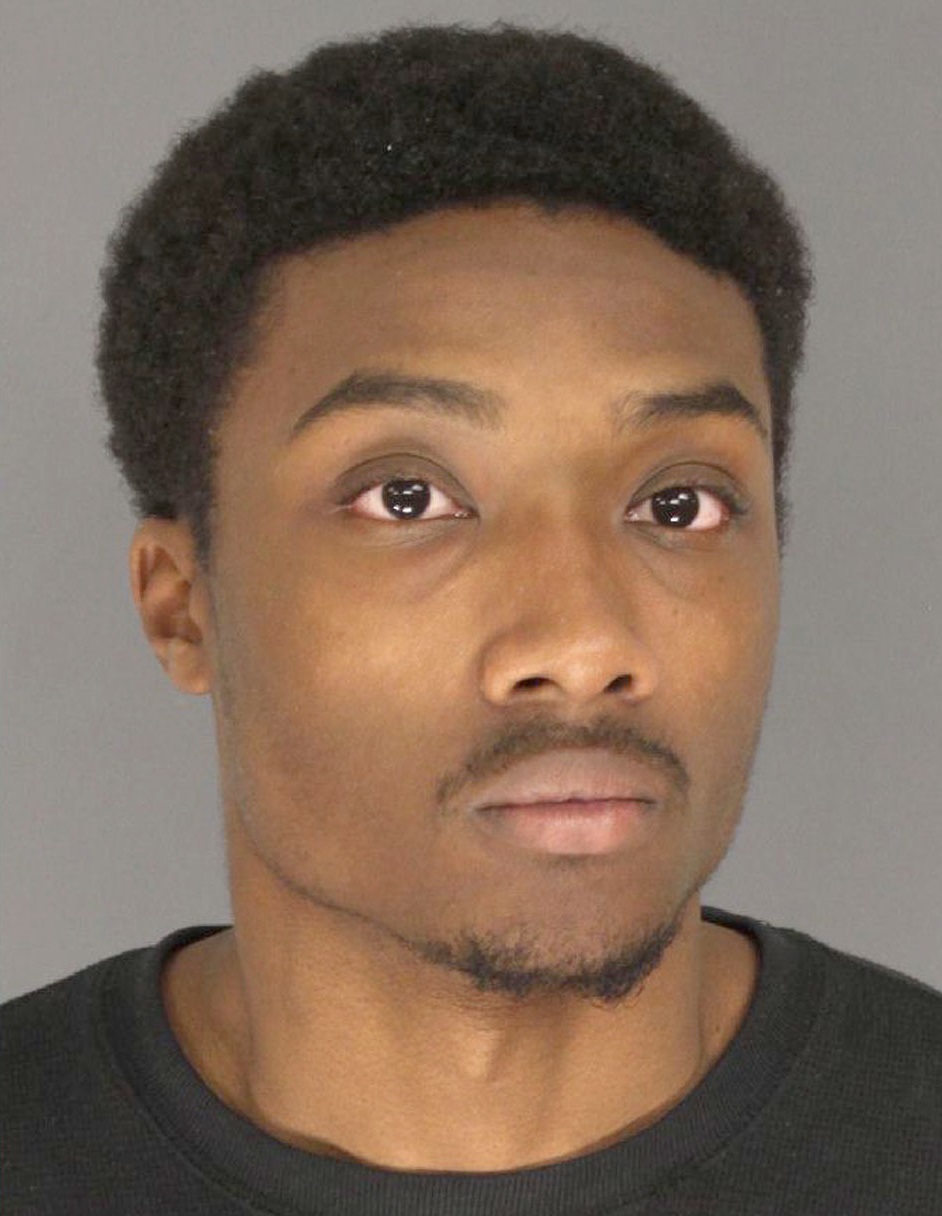
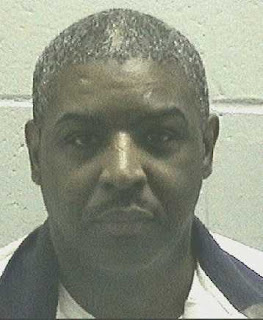
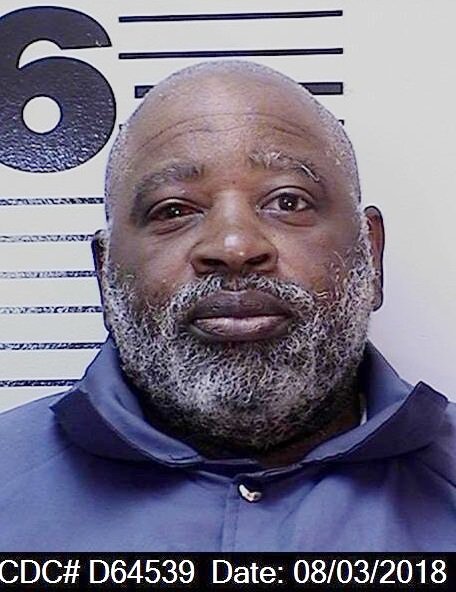
Khalil Wheeler-Weaver: The Social Media Serial Killer
Overview
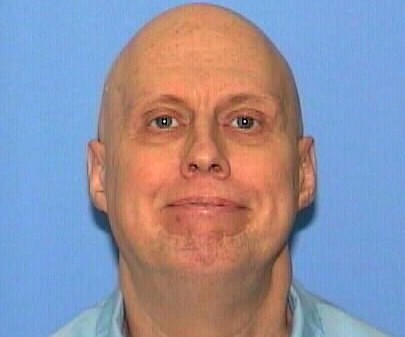
Khalil Wheeler-Weaver is an American serial killer and sexual predator from Orange, New Jersey, who used social networking and dating platforms to locate vulnerable young women. During a period spanning from August through November 2016, Wheeler-Weaver arranged private meetings with women he encountered online, drove them to isolated locations and attacked them. Three women were murdered, while a fourth woman survived a kidnapping, sexual assault and attempted strangulation. Wheeler-Weaver was later charged with the murder of a fifth victim, 15-year-old Mawa Doumbia, although that case remained a separate accusation from the three murders for which he was convicted.
Wheeler-Weaver was only 20 years old when the known attacks occurred. He appeared outwardly ordinary, worked as a security guard and reportedly expressed an interest in becoming a police officer. Behind that appearance, prosecutors said, he was searching online for women he believed could be isolated, exploited and killed without attracting immediate attention.
Finding Victims Through the Internet
Wheeler-Weaver used social media and dating applications, particularly the platform Tagged, to communicate with women. He operated under different usernames and frequently offered money in exchange for meetings. Some of the women he contacted were experiencing homelessness, financial hardship or other difficult circumstances. Prosecutors argued that he deliberately selected victims he believed society would overlook.
Once a meeting was arranged, Wheeler-Weaver used his vehicle to transport the woman to a secluded area, vacant building or other location where she would have little chance of receiving help. Strangulation became the central pattern linking the attacks. He also attempted to conceal or destroy evidence by abandoning bodies in vacant structures, hiding remains and, in one case, setting fire to both the victim and the building where she had been left.
Known and Alleged Victims
- Robin Daphne Michele West, 19 — September 1, 2016 — Orange, New Jersey: West was originally from Philadelphia and was living in Union Township, New Jersey. She met Wheeler-Weaver after communicating with him online. He took her to a vacant house in Orange, strangled her and set fire to her body. He then set the building on fire in an effort to destroy evidence. Firefighters discovered her severely burned remains after responding to the blaze. Her identity was not immediately established because of the condition of her body.
- Mawa Doumbia, 15 — October 7, 2016 — Orange, New Jersey: Doumbia was last seen leaving her family’s Newark home on the evening of October 7, 2016. Prosecutors later alleged that Wheeler-Weaver had communicated with her online, traveled to the area near her home and brought her to a vacant carriage house on Main Street in Orange. Her remains were discovered inside the building in April 2019. An autopsy determined that she had been killed by ligature strangulation. The remains were positively identified as Doumbia’s on November 5, 2021. Wheeler-Weaver was subsequently charged with her murder, attempted sexual assault of a minor, endangering the welfare of a child and desecration of human remains. These accusations were separate from his convictions for the murders of West, Browne and Butler.
- Joanne Browne, 33 — October 22, 2016 — Orange, New Jersey: Browne, a Newark resident, encountered Wheeler-Weaver after communicating with him online. Evidence from cellular telephones and location records placed him in contact with her and tracked his movements to the area where her body was eventually found. Browne was killed by asphyxiation and left inside a vacant house in Orange. Her remains were discovered on December 5, 2016, more than six weeks after her death.
- Tiffany Taylor — November 2016 — Elizabeth and Orange, New Jersey: Taylor survived Wheeler-Weaver’s attack and became an essential witness against him. The two initially met at a motel in Elizabeth. After they left in his car, Wheeler-Weaver handcuffed her, covered her mouth with duct tape, sexually assaulted her and attempted to strangle her. Taylor repeatedly lost consciousness but continued trying to persuade him to release her. She convinced him that her cellphone remained at the motel and that they needed to return for it. Once inside the motel room, she locked Wheeler-Weaver outside and called for help. Her testimony later provided jurors with a direct account of his methods and violent behavior.
- Sarah Butler, 20 — November 22, 2016 — West Orange, New Jersey: Butler was a Montclair resident and a student at New Jersey City University. She communicated with Wheeler-Weaver online before leaving home to meet him on November 22, 2016. Her family quickly became concerned when she failed to return. Wheeler-Weaver strangled Butler and left her body in Eagle Rock Reservation in West Orange. Searchers discovered her remains on December 1, 2016.
The Murder of Robin West
Robin West’s murder demonstrated Wheeler-Weaver’s willingness to use fire in an attempt to conceal a killing. After arranging to meet West, he brought her to an abandoned property in Orange. Prosecutors established that he strangled her, set her body on fire and ignited the vacant house around her.
The damage caused by the fire complicated efforts to identify West. Her remains were initially treated as those of an unidentified woman while investigators attempted to determine who she was and why she had been left inside the building. Digital records eventually helped connect Wheeler-Weaver to West during the period preceding her death. He was later convicted not only of her murder but also of aggravated arson and desecrating her remains.
The Death of Joanne Browne
Joanne Browne disappeared during October 2016. She was killed on October 22 and left inside an abandoned house in Orange. Her body remained undiscovered until December 5, when authorities entered the structure and found her remains.
The passage of time and the isolated location initially created difficulties for investigators. However, prosecutors reconstructed Wheeler-Weaver’s contact with Browne through digital communications and cellphone location information. Those records showed his movements before and after the killing and connected him to the area where Browne had been abandoned.
The Attack on Tiffany Taylor
Tiffany Taylor’s survival provided investigators with a firsthand description of Wheeler-Weaver’s conduct. She testified that he restrained her with handcuffs, placed duct tape over her mouth, sexually assaulted her and wrapped an object around her neck. She drifted in and out of consciousness as he attempted to strangle her.
Taylor managed to remain calm enough to manipulate the situation. She persuaded Wheeler-Weaver to return to the Elizabeth motel where they had first met, claiming she needed to retrieve her telephone. Once she was inside the room, she prevented him from reentering and contacted emergency services.
Although her initial report did not immediately lead to Wheeler-Weaver’s arrest, Taylor preserved crucial information about him, his vehicle and the manner in which he attacked. During his trial, her testimony revealed that the methods used against her closely resembled the evidence found in the murder cases.
The Murder of Sarah Butler
Sarah Butler’s disappearance ultimately brought Wheeler-Weaver’s killing spree to an end. Butler left her Montclair home on November 22, 2016, after arranging an online meeting. When she failed to return, her family and friends began examining her social media activity for clues.
Butler’s sister and friends discovered that she had communicated with Wheeler-Weaver. Frustrated by the lack of immediate answers, they created a false online profile and contacted him while pretending to be another woman. They arranged a meeting and supplied the information to police. The operation helped investigators identify Wheeler-Weaver as the man who had been communicating with Butler before she vanished.
Butler’s body was found on December 1, 2016, in Eagle Rock Reservation. She had been strangled and left in the wooded area. Cellphone records showed Wheeler-Weaver traveling to the reservation around the time of her murder. His movements, online messages and communications with Butler became central evidence in the case against him.
Digital Evidence
Wheeler-Weaver attempted to avoid leaving conventional physical evidence. Prosecutors said he took precautions during his encounters, including using gloves and other barriers. Nevertheless, he left behind an extensive digital trail.
Investigators examined messages exchanged through social media accounts, internet searches, cellphone tower records and location data. His telephone repeatedly traveled from meeting places connected to the victims to the locations where their bodies were later discovered. This evidence allowed prosecutors to recreate his movements across northern New Jersey.
His search history also contained disturbing inquiries, including searches concerning methods of killing people. Combined with the testimony of Taylor, the online conversations and the location records, the digital evidence presented jurors with a detailed chronology of the attacks.
Arrest and Investigation
Wheeler-Weaver was arrested in connection with Sarah Butler’s disappearance after the online investigation conducted by her sister and friends directed law enforcement toward him. As detectives examined his telephone and online accounts, they found evidence connecting him to other missing and murdered women.
The case expanded from a single homicide investigation into the examination of a series of related attacks. Authorities connected Wheeler-Weaver to Robin West, Joanne Browne and Tiffany Taylor. The similarities included online contact, isolated meeting locations, strangulation and efforts to conceal what had happened.
Investigators also compared the locations of Wheeler-Weaver’s cellphone with the places where the victims had last been seen and where their bodies were recovered. Prosecutors later described the records as a digital map of his crimes.
Trial and Convictions
Wheeler-Weaver went on trial in Essex County in 2019. The prosecution presented testimony from investigators, forensic specialists, victims’ relatives and Tiffany Taylor. Jurors were shown the online conversations and location data that followed Wheeler-Weaver from meetings with the victims to the places where their bodies were concealed.
Wheeler-Weaver denied responsibility and maintained that the evidence had been misinterpreted. His defense challenged the prosecution’s conclusions and argued that the digital records did not prove that he committed the murders. The jury rejected those arguments.
In December 2019, Wheeler-Weaver was convicted of murdering Robin West, Joanne Browne and Sarah Butler. He was also convicted of kidnapping, aggravated sexual assault and attempting to murder Tiffany Taylor. Additional convictions included three counts of desecration of human remains and aggravated arson.
Sentence
On October 6, 2021, Superior Court Judge Mark Ali sentenced Khalil Wheeler-Weaver to 160 years in New Jersey State Prison. The sentence was structured to ensure that he would remain incarcerated for the remainder of his life. Under the terms imposed by the court, he must serve approximately 145 years before becoming eligible for parole.
During sentencing, relatives described the emotional damage caused by the murders and emphasized that the victims were daughters, sisters, students and loved members of their families. Prosecutors stated that Wheeler-Weaver had believed he could target vulnerable women without consequence. The investigation, trial and sentence demonstrated that the victims had not been forgotten.
The Separate Mawa Doumbia Case
Years after Wheeler-Weaver’s original convictions, authorities announced that he had been linked to the death of Mawa Doumbia. Her unidentified remains had been located in a vacant Orange carriage house in April 2019. Forensic work eventually established her identity in November 2021.
Investigators reviewed digital evidence and alleged that Wheeler-Weaver met Doumbia online on October 7, 2016. Authorities claimed that he traveled near her Newark residence, transported her to the vacant building in Orange, strangled her and concealed her body inside the structure.
Wheeler-Weaver was charged with Doumbia’s murder in March 2022 and was later indicted on additional charges related to the case. Because those charges were filed separately, Doumbia should be described as an alleged victim unless and until the accusations are resolved by a guilty plea or conviction.
Legacy of the Case
The Wheeler-Weaver investigation became a prominent example of how digital evidence can expose a serial offender. His online messages, cellphone movements and search activity allowed detectives and prosecutors to reconstruct crimes that had occurred in different locations over several months.
The case was also distinguished by the work of Sarah Butler’s family and friends. Their decision to examine her online communications, create a false profile and arrange a meeting with Wheeler-Weaver produced information that helped focus the police investigation. Their actions contributed directly to identifying a man who had already killed several women and who might otherwise have continued searching for victims.
Khalil Wheeler-Weaver’s crimes lasted only a few months, but they left several families grieving and permanently altered the life of the woman who survived him. His convictions established him as the murderer of Robin West, Joanne Browne and Sarah Butler and as the man who kidnapped, sexually assaulted and attempted to kill Tiffany Taylor. His 160-year sentence ensures that he will spend the remainder of his life in prison.