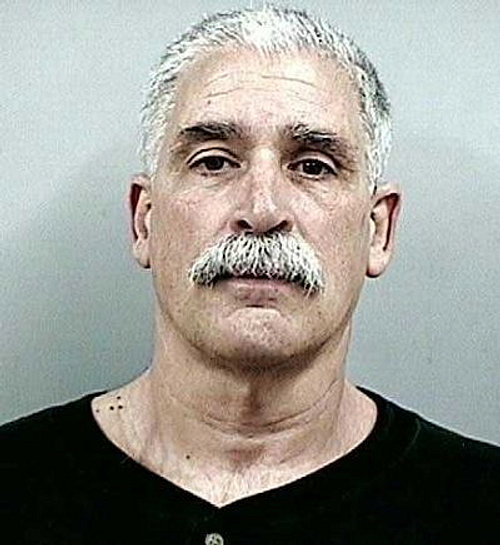
Richard Holman and the “.22 Caliber Killers”
Background
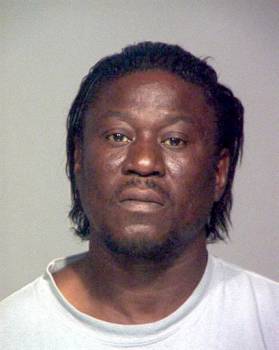
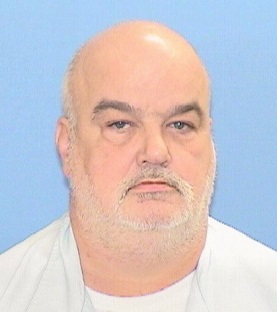
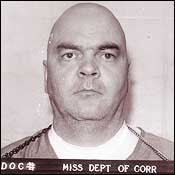
Richard “Ricky” Holman was born on August 20, 1961, in East St. Louis, Illinois. As a teenager, he became involved in a violent series of robberies, shootings, and murders with Girvies L. Davis, an older criminal associate. The pair operated primarily in southwestern Illinois during 1978 and 1979 and became known as the “.22 Caliber Killers” because a .22-caliber firearm was associated with several of their crimes.
Holman was still a juvenile during the murder spree. He had previously been placed on probation for burglary and had spent time in juvenile custody for property crimes. Court records later described him as having limited education, a low measured IQ, and a tendency to follow more dominant people. Holman testified that Davis began paying him small amounts of money to drive him around when he was approximately sixteen or seventeen years old. These circumstances were considered during later sentencing proceedings, but they did not excuse his participation in the crimes.
Pattern of Crimes
Holman and Davis generally targeted homes, trailers, and small businesses where they expected to find money or property. Many of the victims were elderly and physically vulnerable. During the robberies, household possessions such as televisions, radios, firearms, watches, and lawn equipment were taken. Prosecutors argued that violence was used to prevent victims and witnesses from identifying the offenders.
The precise responsibility of each man differed from crime to crime. Evidence indicated that Holman personally fired the fatal shots in some cases, while Davis was identified as the principal attacker in others. Under Illinois law, however, a participant in an armed burglary or robbery could be held legally responsible for a murder committed by an accomplice during that crime. Holman was therefore convicted not only for direct violence but also for murders committed while he was actively participating in the underlying offenses.
Victims
- Frieda Sophia Mueller — December 8, 1978 — Millstadt, Illinois: Mueller was seventy-eight years old when she was fatally shot during a robbery. Her television, billfold, and checkbook were reportedly stolen. Holman and Davis were linked to the crime, but they were not tried for Mueller’s murder. Their involvement should therefore be described as alleged rather than as a separate murder conviction.
- Charles Biebel — December 22, 1978 — St. Clair County, Illinois: Biebel was an eighty-nine-year-old man who used a wheelchair and lived in a mobile home. He was shot twice inside his residence during a burglary. Watches, a billfold, several firearms, and a television were taken. Evidence presented in the related prosecution identified Holman as the actual shooter. Davis was convicted of Biebel’s murder under a theory of legal accountability for the burglary and killing.
- John George Oertel — May 11, 1979 — St. Clair County, Illinois: Oertel, aged eighty-four, was killed during a home invasion at his trailer residence. He suffered both shooting and stabbing injuries. Holman was convicted in connection with Oertel’s murder, although accounts of the crime differed over which offender personally inflicted the fatal wounds. Some later summaries give May 12 as the date, but the court record describing Holman’s prior conviction identifies the murder as occurring on May 11, 1979.
- Esther Sepmeyer — July 13, 1979 — Rural Madison County near Maryville, Illinois: Sepmeyer was eighty-three years old and lived in a farmhouse with her grandson, Rodney Sepmeyer. Rodney returned from work and discovered her body beside a bed in a bedroom. She had been shot in the face. The house had been ransacked, and a television, turntable, radio, lawnmower, and other property were missing. Investigators recovered evidence connecting Holman and Davis to the stolen items, and fingerprints linked Holman to the residence. Holman was convicted of Sepmeyer’s murder.
- Frank Cash — August 30, 1979 — East St. Louis, Illinois: Cash was a twenty-one-year-old clerk working at an auto-parts store when Holman and Davis carried out an armed robbery. Store owner James Ostman was shot and wounded. Cash fled toward the rear of the business but was followed and fatally shot. Davis was identified as the gunman, while Holman was convicted of murder because of his participation in the robbery. The attack became the decisive event that led authorities to the offenders.
The Sepmeyer Murder
The murder of Esther Sepmeyer became the most important case in Holman’s later legal history. On July 13, 1979, her grandson arrived at their rural home near Maryville and found that the residence had been disturbed. Sepmeyer’s body was in a bedroom, kneeling and leaning forward against the side of a bed. She had been shot just below her right eye. Several large household objects had been removed, indicating that the offenders had spent time collecting and carrying property from the house.
Investigators found Holman’s fingerprint on objects inside the residence. Property stolen from the home, including a radio and lawnmower, was later recovered during the investigation. Statements attributed to the defendants also contained information about the arrangement of the house and the objects taken from it. Holman maintained that Davis entered the residence while he initially remained outside and that he did not know Sepmeyer had been killed until after his arrest. The jury nevertheless found that the physical evidence and his participation in removing the stolen property established his responsibility for the murder.
The Auto-Parts Store Attack and Arrests
On August 30, 1979, the pair entered an auto-parts store in East St. Louis. James Ostman, the store owner, was shot in the arm. Frank Cash attempted to escape toward the back of the building, where he was shot and killed. Despite his injury, Ostman obtained a handgun and fired at the robbers as they fled. One of his bullets struck Davis in the back.
Davis sought medical treatment, and hospital personnel notified law enforcement officers. His gunshot wound and the circumstances surrounding it gave investigators a direct connection to the robbery. Davis was arrested, while Holman was taken into custody shortly afterward. Police then began connecting the two men to earlier burglaries, shootings, and murders through witness statements, stolen property, fingerprints, ballistics evidence, and confessions that later became subjects of legal dispute.
Convictions and Sentencing
Holman was convicted of three murders: John Oertel, Esther Sepmeyer, and Frank Cash. He was also convicted of the attempted murder of James Ostman. For the Oertel and Cash cases, Holman received a lengthy prison sentence. He received an additional sentence for Ostman’s shooting. In April 1981, he was sentenced to natural life imprisonment for Sepmeyer’s murder.
Holman was seventeen years old when Sepmeyer was killed and was approximately five weeks short of his eighteenth birthday. Because of his age, he was not eligible for the death penalty. The sentencing judge considered Holman’s youth, family background, intellectual limitations, juvenile record, and involvement in the other violent crimes. The court concluded that he represented a continuing danger and imposed life imprisonment without the possibility of parole.
Later Appeals
Holman challenged his sentence through numerous appeals and post-conviction petitions. His attorneys argued that a life-without-parole sentence imposed for a crime committed by a seventeen-year-old required special consideration of the characteristics of youth, including immaturity, susceptibility to outside influence, limited judgment, and the possibility of rehabilitation.
The Illinois Supreme Court reviewed the case decades after the murder. It determined that the original sentencing court had possessed discretion and had considered information about Holman’s youth and personal history before imposing the life sentence. His conviction and sentence therefore remained in place. The decision became significant in legal discussions concerning severe sentences for juvenile offenders.
Historical Assessment
Richard Holman’s crimes were part of a short but exceptionally violent period of robbery-related killings in southwestern Illinois. He and Davis were associated with additional shootings and deaths beyond the murders for which Holman was convicted, but the strength of the evidence and the legal outcome varied in those cases. Authorities did not prosecute every suspected offense after both men had already received the most severe sentences available to them.
The confirmed cases demonstrate a consistent pattern: vulnerable people were confronted in their homes or workplaces, property was stolen, and deadly violence was used during the commission of the robberies. Holman’s young age, limited intellectual abilities, and subordinate relationship with Davis remained important elements of his defense and appeals. Nevertheless, juries and courts found that he knowingly participated in repeated armed crimes that resulted in multiple deaths, leaving him legally responsible for one of Illinois’s most disturbing robbery-and-murder sprees of the late 1970s.