Ronald Joseph Dominique: The Bayou Strangler
Overview
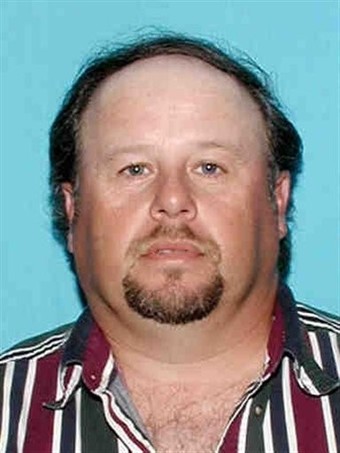
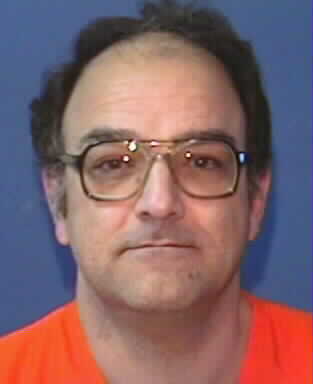
Ronald Joseph Dominique is an American serial killer and sexual predator responsible for one of the longest and deadliest known serial-murder cases in Louisiana history. Born on January 9, 1964, in Thibodaux, Louisiana, Dominique operated primarily in southeastern Louisiana from 1997 until his arrest on December 1, 2006. After he was taken into custody, investigators said he confessed to killing 23 men and teenage boys. The victims were found across several Louisiana parishes, often in isolated fields, drainage ditches, wooded areas, canals, or other places where Dominique apparently hoped their bodies would not immediately be discovered.
Although Dominique confessed to 23 killings, it is important to distinguish his confession from his criminal convictions. He ultimately entered guilty pleas to a smaller number of murders rather than being tried separately for every death attributed to him. In September 2008, he pleaded guilty to murdering eight men in Terrebonne Parish and received eight consecutive life sentences without the possibility of parole. He later pleaded guilty to another murder, that of Christopher Sutterfield, in Lafourche Parish.
Early Life and Criminal History
Dominique grew up in the Thibodaux area of southern Louisiana and graduated from Thibodaux High School in 1983. He later attended vocational and college courses but did not establish a long-term professional career. As an adult, he moved between jobs and residences and frequently depended upon relatives for housing. Long before investigators recognized him as a serial killer, Dominique had already attracted the attention of law enforcement.
His criminal history included arrests for telephone harassment, driving while intoxicated, disturbing the peace, and an allegation of forcible rape. One particularly significant incident occurred on August 25, 1996, when a partially dressed young man escaped through a window of the residence where Dominique was staying. The man accused Dominique of sexually assaulting him and attempting to kill him. Dominique was arrested and held on a substantial bond, but the prosecution was unable to proceed when the complainant could not later be located to testify.
Investigators would eventually regard the 1996 allegation as especially disturbing because elements of it resembled the methods Dominique later admitted using against murder victims. Dominique told investigators after his 2006 arrest that he killed victims because he feared they would report his sexual assaults and send him back to jail.
The Beginning of the Murders
The first killing included in Dominique's eventual confession occurred in 1997. Nineteen-year-old David Levon Mitchell disappeared after being seen in St. Charles Parish. His body was discovered on July 14, 1997, near Louisiana Highway 3160 in the Hahnville area. Mitchell's death was initially treated as a possible accidental drowning, but circumstances surrounding the discovery caused his family to question that conclusion. Years later, Dominique's confession caused the case to be reevaluated as part of the serial-murder investigation.
More men began turning up dead in southeastern Louisiana. Gary Pierre was found in December 1997, followed by Larry Ranson in July 1998. During the following months, bodies were recovered in and around Jefferson Parish, including those of Oliver LeBanks, Joseph Brown and Bruce Williams. The deaths did not immediately produce a single identifiable suspect because the victims were found in different jurisdictions and under varying circumstances.
Dominique's Method of Approaching Victims
According to investigators and Dominique's own statements, he used several stories to persuade men to accompany him. Some were offered money, drugs, alcohol or a place to stay. In other encounters, Dominique claimed that a woman wanted to have sex with the prospective victim but supposedly required the man to be restrained as part of the encounter. Other victims were approached with offers of sexual activity directly involving Dominique.
The use of restraints became an important feature of the crimes. Dominique reportedly tried to convince victims to allow themselves to be tied before he attacked them. Once a victim was restrained and unable to effectively resist, Dominique sexually assaulted him and generally killed him through strangulation or suffocation. He then transported the body from the location of the killing and abandoned it elsewhere.
Dominique's physical appearance also contributed to the difficulty investigators initially had envisioning him as the offender. He was considerably overweight and did not necessarily appear capable of physically overpowering younger men. Persuading victims to voluntarily submit to restraints gave him a method of controlling people who might otherwise have been stronger or more physically capable than he was.
Victims and Verified Timeline
The following are the 23 victims authorities associated with Dominique after his confession. In a number of these cases, the exact time of death could not be established because the victim was discovered hours, days or even weeks afterward. For that reason, when a precise date of death is not reliably available, the verified date on which the body was discovered is given rather than presenting an uncertain date as fact.
- David Levon Mitchell - Age 19. His body was found on July 14, 1997, near Louisiana Highway 3160 in the Hahnville area of St. Charles Parish. His death was initially considered a possible drowning before Dominique later confessed to killing him.
- Gary Pierre - Age 20. Pierre was killed in December 1997, and his body was recovered in St. Charles Parish. December 14, 1997, is widely reported as the date his body was found.
- Larry Ranson - Age 38. Ranson's body was found on July 31, 1998, in St. Charles Parish. His death was determined to involve asphyxiation, and investigators later connected him to Dominique's series of killings.
- Oliver LeBanks - Reported as being in his mid-to-late twenties. His body was found on October 5, 1998, near Stable Drive in Metairie, Jefferson Parish. LeBanks had been strangled. Biological evidence recovered during the investigation later became important in identifying Dominique.
- Joseph Brown - Age 16. Brown was found on October 20, 1998, in the Kenner area of Jefferson Parish. He was one of the youngest victims attributed to Dominique.
- Bruce Williams - Age 18. Williams' body was discovered on November 27, 1998, in Jefferson Parish. His death occurred during the same period in which several young men were being found dead in the greater New Orleans and Jefferson Parish area.
- Manuel Reed - Reed was a young man from the New Orleans area whose body was found on May 30, 1999, near Bainbridge Street in Kenner, Jefferson Parish. Contemporary reports differ on his exact age, but authorities consistently identified him as one of Dominique's victims. DNA evidence associated with the Reed investigation later helped connect Dominique to the crimes.
- Angel Mejia - Mejia's body was discovered in June 1999, with June 20 frequently reported as the discovery date. He was found in the Kenner area of Jefferson Parish and was determined to have been restrained before his death.
- Mitchell Johnson - Age 34. Johnson's body was discovered on September 1, 1999, in Jefferson Parish. Decomposition complicated the original investigation and determination of precisely when he had been killed.
- Michael Vincent - Age 23. Vincent was killed around the beginning of January 2000. January 1, 2000, has been reported as the discovery date, with the case associated with the Houma and Lafourche Parish area.
- Kenneth Randolph Jr. - Age 20. Randolph's partially clothed body was found on October 6, 2002, in a field in the Lafourche Parish area. Dominique later described circumstances connecting himself to Randolph's death.
- Anoka Torey Jones - Age 26. Jones disappeared after going outside in Houma on the night of October 12, 2002. His body was discovered beneath or near a highway overpass only hours later, with October 13 also appearing in records as the discovery date. The killing occurred in the Houma and Terrebonne Parish area.
- Datrell Woods - Approximately 18 or 19 years old. Woods' decomposed body was discovered in late May 2003 in the Bayou Blue area. May 24, 2003, is commonly reported as the discovery date, although some records give May 26. His death was initially difficult to recognize as homicide and was later linked to Dominique.
- Larry Matthews - Age 46. Matthews was killed in October 2004, and his body was found around October 10 in the Bayou Blue and Terrebonne Parish area. Dominique later admitted that Matthews had been at his residence before he was killed.
- Michael Barnett - Age 21 in most accounts. Barnett's body was recovered in late October 2004 in the Bayou Blue and Houma area, with October 24, 2004, commonly listed as the discovery date. Barnett was one of the eight victims whose murders Dominique later admitted in his Terrebonne Parish guilty pleas.
- Leon Paul "T-Paul" Lirette - Age 22. Lirette's body was found on February 20, 2005, in the Houma and Bayou Blue area. His death became one of the cases for which Dominique was eventually convicted.
- August Terrill Watkins III - Age 31. Watkins' body was found on April 9, 2005, in a drainage area near Raceland in Lafourche Parish. Decomposition complicated the original determination of his cause of death. Dominique later pleaded guilty in connection with Watkins' murder.
- Kurt Michael Cunningham - Age 23. Cunningham was last seen earlier in April 2005, and his decomposed body was discovered on April 28, 2005, in a drainage ditch near Louisiana Highway 307 in the Kraemer area. He had apparently been dead for a considerable period before being found. Cunningham's murder was another of Dominique's eventual convictions.
- Alonzo Hogan - Hogan was found on July 2, 2005, in St. Charles Parish. His body was recovered near the Bayou Gauche area shortly after his disappearance. Dominique pleaded guilty to Hogan's murder in 2008.
- Wayne Smith - Age 17. Smith's body was recovered on August 16, 2005, in Terrebonne Parish. Decomposition made forensic examination difficult. Smith was one of the youngest victims and one of the eight men whose murders were included in Dominique's September 2008 guilty plea.
- Chris Deville - Age 40. Deville disappeared during the period following Hurricane Katrina in 2005. His remains were recovered in October 2005, with October 14 commonly reported as the discovery date, in the Assumption Parish region. Dominique ultimately pleaded guilty to Deville's murder.
- Nicholas "T-Nick" Pellegrin - Age 21. Pellegrin's body was found on November 9, 2005, in the Lafourche Parish area. Before Dominique's arrest, investigators considered other possible motives for his death, including problems connected with drugs and money. Dominique later pleaded guilty to murdering Pellegrin.
- Christopher Charles Sutterfield - Age 27. Sutterfield was last seen with Dominique on October 14, 2006. Dominique later admitted attacking and strangling him before abandoning his body in Iberville Parish, where it was discovered on October 15, 2006. Sutterfield is generally considered Dominique's final known murder victim. Dominique later pleaded guilty to second-degree murder in Sutterfield's death.
A Pattern Hidden Across Several Parishes
One reason Dominique remained unidentified for so many years was geography. Bodies were appearing across different Louisiana jurisdictions, including St. Charles, Jefferson, Terrebonne, Lafourche, Assumption and Iberville parishes. A body found in one parish might have belonged to a person last seen somewhere else, while the actual killing could have occurred at yet another location. Dominique deliberately transporting victims after killing them made it harder for individual law-enforcement agencies to recognize the full scope of the series.
The condition in which some victims were discovered created additional problems. Bodies left in water, fields and isolated outdoor areas sometimes decomposed before they were found. In several cases the cause or manner of death was initially classified as undetermined or accidental. Some victims had also experienced homelessness, poverty or substance-use problems, which caused investigators to initially consider explanations unrelated to serial murder. Dominique exploited vulnerability, but his victims did not all fit a single social category, and several had no known connection to drugs or criminal activity.
The Investigation Begins to Come Together
By 2005, investigators had become increasingly convinced that many of the unexplained deaths were connected. The repetition was difficult to ignore: male victims, similar methods of restraint, strangulation or suffocation, and bodies abandoned in isolated areas. Law-enforcement agencies began sharing information more aggressively, and a multi-jurisdictional task force involving local agencies, Louisiana authorities and the FBI worked to identify the person responsible.
Despite the growing suspicion that a serial killer was operating in southeastern Louisiana, investigators had relatively little physical evidence pointing to a specific suspect. Decomposition and exposure to water had destroyed or degraded evidence from a number of bodies. Dominique also had no obvious personal connection to many of the victims that police could easily identify.
Ricky Wallace and the Break in the Case
The investigation finally turned toward Dominique after an encounter involving Ricky Wallace, a Bayou Blue man who survived an invitation to Dominique's residence. Wallace later described Dominique offering drugs and claiming that a woman was interested in a sexual encounter involving bondage. Dominique attempted to persuade Wallace to allow himself to be tied. Wallace refused.
Unlike the men Dominique killed, Wallace was permitted to leave. His account became enormously important once it reached investigators because the method he described closely resembled the scenario detectives believed the serial killer was using to gain control over victims.
Police questioned Dominique and obtained a biological sample. DNA testing connected him to evidence from the investigations of Oliver LeBanks and Manuel Reed. With the combination of Wallace's account, the similarities among the murders and the DNA evidence, investigators finally had the suspect they had spent years trying to identify.
Arrest and Confession
Ronald Dominique was arrested without incident on December 1, 2006, at the Bunk House Inn, a homeless shelter in Houma. Investigators had kept the location under surveillance before moving in to arrest him.
The case expanded dramatically after Dominique began talking to investigators. Authorities announced that he had confessed to 23 murders. Sheriff Jerry Larpenter said Dominique was able to describe how victims were killed and where their bodies had been abandoned. Investigators considered the statements especially persuasive because Dominique supplied details about crime scenes that had not been made public.
His confession allowed detectives in several parishes to reconsider old deaths that had previously appeared unrelated. Some families who had waited years for explanations suddenly learned that their relatives had been victims of the same man.
Why Dominique Said He Killed
Dominique reportedly admitted that he killed victims after sexually assaulting them because he feared being reported to police. His earlier 1996 rape arrest had shown him that a living victim could identify him and potentially send him to prison. According to the explanation he later gave investigators, eliminating witnesses became part of his criminal method.
He claimed that men who refused to be restrained were sometimes allowed to leave. That assertion was consistent with the experience of Ricky Wallace, whose refusal to be tied may have saved his life. Once a victim allowed Dominique to restrain him, however, the balance of control changed completely.
The Guilty Pleas
Dominique initially faced the possibility of the death penalty. Prosecutors had substantial evidence and his extensive confession, but prosecuting 23 separate homicide cases across multiple parishes would have required years of trials, appeals and repeated testimony from victims' families.
On September 23, 2008, Dominique was sentenced after pleading guilty to eight murders prosecuted in Terrebonne Parish. Those victims were Michael Barnett, Leon Lirette, August Watkins, Kurt Cunningham, Alonzo Hogan, Wayne Smith, Chris Deville and Nicholas Pellegrin. He received eight consecutive life sentences without the possibility of parole.
Family members were permitted to address the court during the sentencing proceeding. Dominique declined to make a statement. The guilty pleas ensured that he would spend the remainder of his life in prison while avoiding a lengthy capital trial and the years of automatic appeals that would have followed a death sentence.
The Christopher Sutterfield Case
The legal proceedings did not completely end with the eight Terrebonne Parish convictions. Dominique also faced prosecution for the killing of Christopher Sutterfield. Authorities said Dominique picked up Sutterfield in Thibodaux on October 14, 2006, and later killed him before transporting his body to Iberville Parish.
In December 2008, Dominique pleaded guilty to second-degree murder in Sutterfield's death and received another life sentence. The case was particularly significant because Sutterfield was the final known victim in Dominique's decade-long series and was killed only weeks before investigators finally closed in on Dominique.
The Scale of the Crimes
The Dominique investigation demonstrated how a serial offender could continue killing for years when crimes were spread among jurisdictions and involved victims whose deaths were initially viewed separately. No single discovery immediately revealed the scale of the case. Instead, the pattern emerged gradually as detectives compared files, autopsy findings, locations and similarities in the circumstances surrounding the victims.
Several of the deaths had originally been explained as accidents, possible drug-related killings or cases with undetermined causes. Others generated few immediate leads. Once Dominique confessed, previously disconnected files formed a timeline extending from David Mitchell's death in 1997 through Christopher Sutterfield's murder in October 2006.
The Victims Behind the Numbers
The number 23 became inseparable from Dominique's name after his confession, but each number represented an individual person whose family and friends were left without answers, sometimes for years. The victims ranged from teenagers to middle-aged men. Some had stable family relationships, while others were homeless or experiencing financial or substance-use difficulties. Those circumstances made certain victims easier for Dominique to approach, but they do not explain or diminish what was done to them.
The eventual investigation also challenged assumptions that had surrounded some of the deaths. People initially suspected in particular cases were effectively cleared when Dominique described committing the killings. Families who had questioned original accidental or undetermined findings finally received evidence that their relatives had been murdered.
Aftermath
Dominique was sent to the Louisiana State Penitentiary at Angola to serve his life sentences. Because the sentences were imposed without parole and ordered consecutively, there is no realistic possibility that he will be released.
Following his arrest, families from Louisiana and elsewhere contacted authorities wondering whether Dominique could be responsible for additional unexplained disappearances or murders. Investigators examined possible connections, but law enforcement has publicly tied the established series to the 23 victims Dominique confessed to killing in southeastern Louisiana. Authorities did not establish a larger nationwide series.
Legacy of the Investigation
The Ronald Dominique case remains one of Louisiana's most significant serial-murder investigations. For nearly a decade, victims were discovered along highways, in fields, beside waterways and in isolated rural locations without investigators initially realizing that one offender connected them. The eventual cooperation between local sheriffs' offices, state authorities and federal investigators was essential to identifying the pattern and finally stopping the killings.
Dominique's arrest on December 1, 2006, ended a series that had begun more than nine years earlier. His confession provided answers in numerous cases, while his guilty pleas permanently removed him from society. The case is remembered not only for the number of murders but also for the long period during which the victims' deaths remained fragmented among separate investigations. Remembering the names of David Mitchell, Gary Pierre, Larry Ranson, Oliver LeBanks, Joseph Brown, Bruce Williams, Manuel Reed, Angel Mejia, Mitchell Johnson, Michael Vincent, Kenneth Randolph Jr., Anoka Jones, Datrell Woods, Larry Matthews, Michael Barnett, Leon Lirette, August Watkins, Kurt Cunningham, Alonzo Hogan, Wayne Smith, Chris Deville, Nicholas Pellegrin and Christopher Sutterfield keeps the focus on the people whose lives were taken rather than solely on the man responsible for their deaths.