John Errol Ferguson: The Carol City and Hialeah Murders
Background
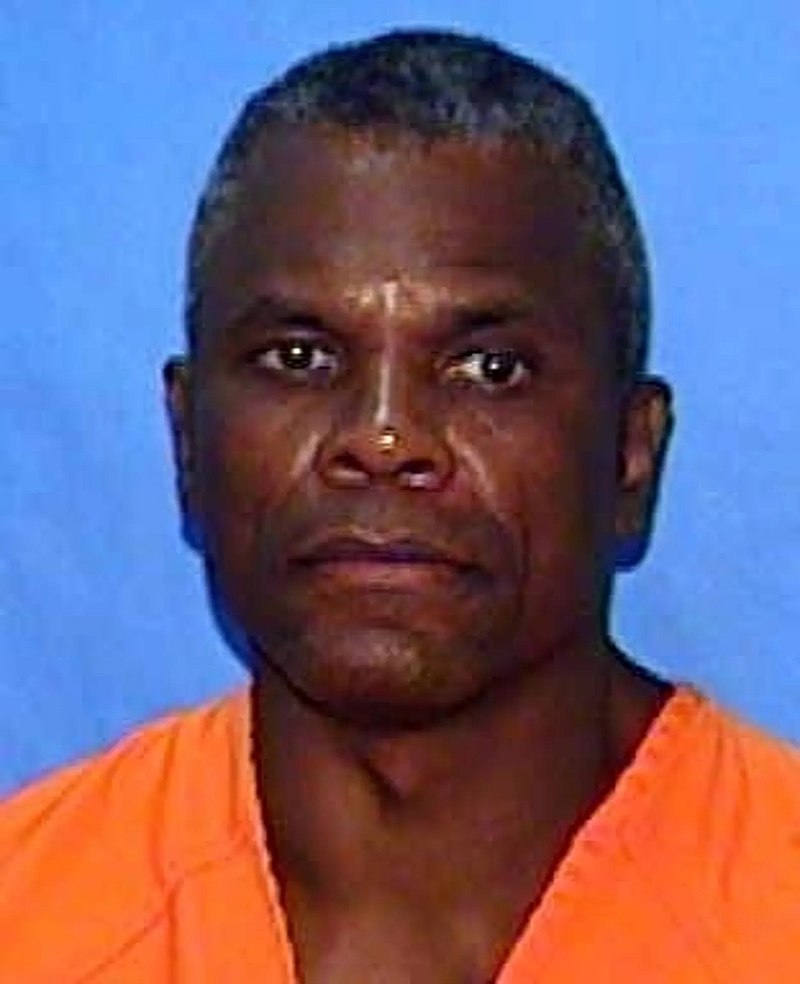
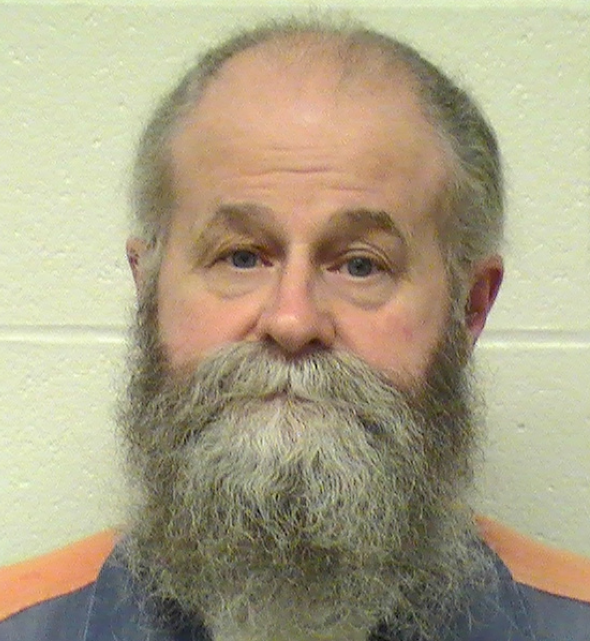
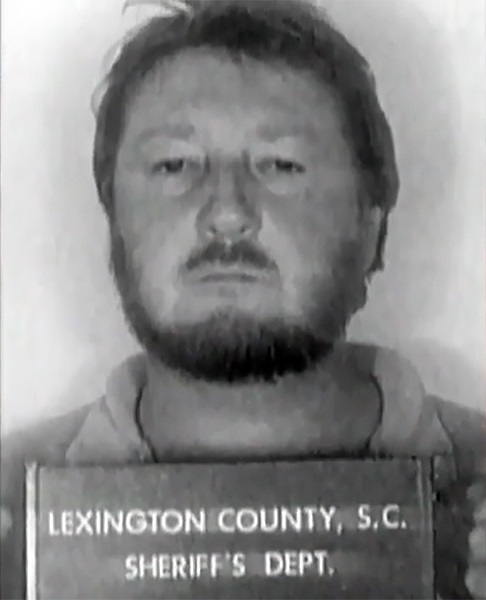
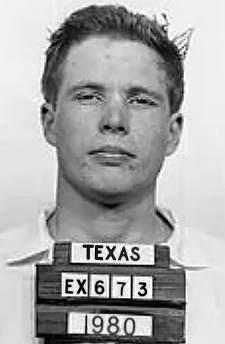
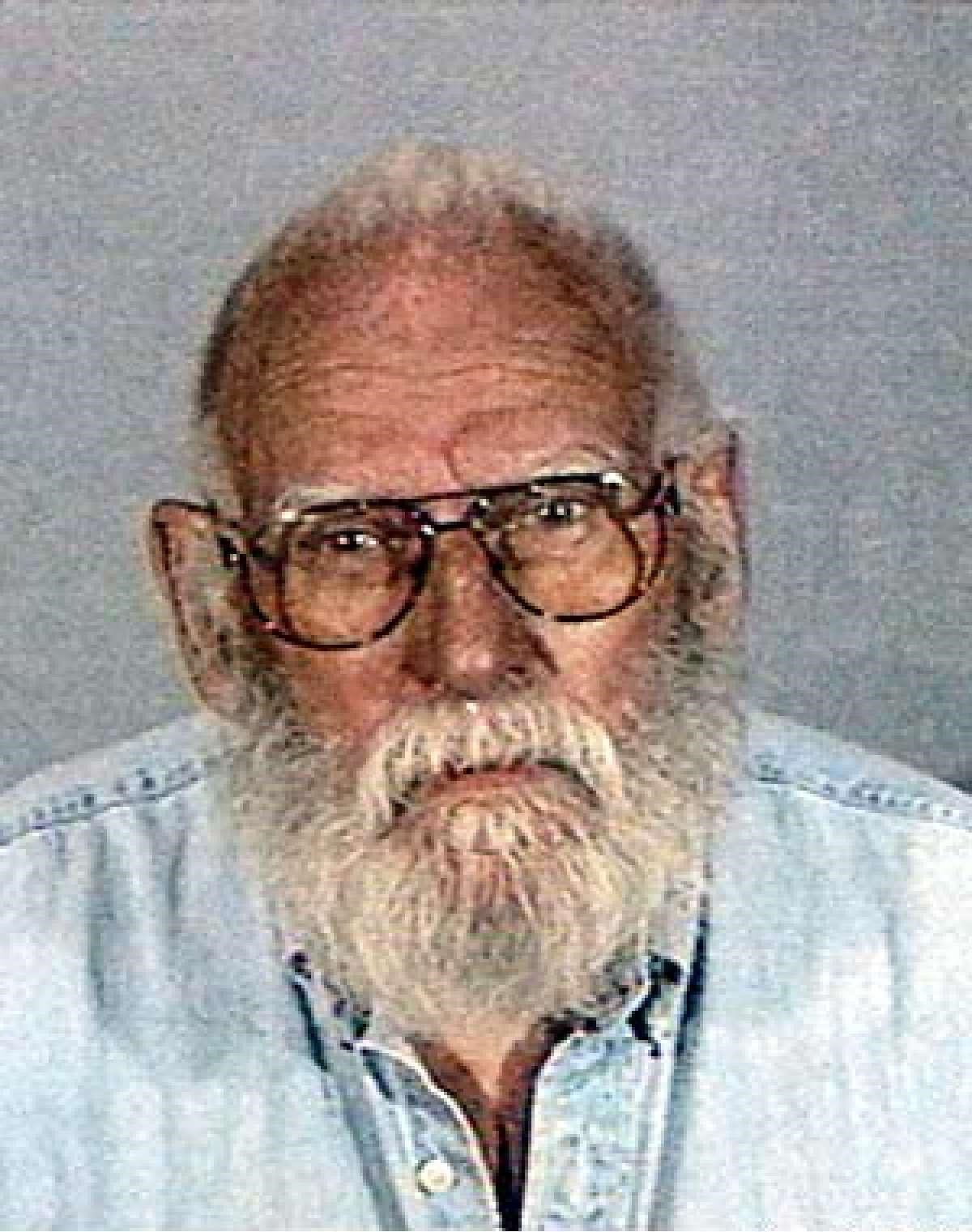
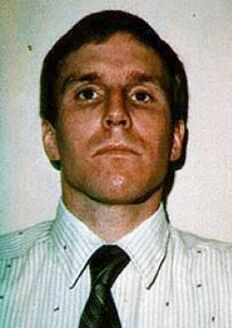
John Errol Ferguson was an American serial killer and mass murderer whose crimes took place in Miami-Dade County, Florida, during the late 1970s. Born on February 27, 1948, Ferguson had a long history of violent behavior, arrests and severe mental illness. He was ultimately convicted of murdering eight people: six victims killed during a home invasion in Carol City on July 27, 1977, and two teenagers murdered near Hialeah on January 8, 1978.
Ferguson had been examined by mental-health professionals years before the murders. Some psychiatrists described him as dangerous, homicidal and unlikely to recover sufficiently to live safely outside a secure institution. He was repeatedly hospitalized but escaped several times. In 1976, he was considered competent to face criminal charges and was later released from custody. Within approximately one year, he participated in one of the worst mass killings then recorded in Miami-Dade County.
The Carol City Home Invasion
On July 27, 1977, Ferguson went to a house in Carol City with Marvin Francois, Beauford James White and getaway driver Adolphus Archie. The residence belonged to Livingston Stocker, a 33-year-old Vietnam veteran who sold marijuana. Ferguson disguised himself as an employee of Florida Power & Light so that he could enter without immediately alarming the people inside.
Margaret Wooden, who was at the house, opened the door. After pretending to inspect the building, Ferguson produced a weapon, restrained Wooden and allowed Francois and White to enter. The armed men searched the house for drugs, money and other valuables. As additional people arrived, the intruders captured them one by one, searched them, tied their hands and covered their eyes.
Eight captives were eventually held inside the residence. Most were placed together in the living room, while Wooden and Michael Miller were kept in a bedroom. The robbery became a mass murder after Francois's mask slipped and one or more captives saw his face. According to the evidence presented in the resulting cases, Ferguson announced that the witnesses would have to be killed.
Francois used a shotgun against the captives in the living room. Ferguson went into the bedroom and shot Wooden and Miller. Six people died, while Wooden and Johnnie Hall survived despite being seriously wounded. Their survival provided investigators with crucial eyewitness evidence about the attack.
Victims of the Carol City Murders
- Livingston Stocker — Killed on July 27, 1977, inside his home in Carol City, Florida. Stocker was 33 years old, a Vietnam veteran and the owner of the residence targeted by the gunmen.
- Henry Clayton — Killed on July 27, 1977, at Stocker's Carol City residence. Clayton was 35 years old and was among the captives restrained in the living room.
- John Holmes — Killed on July 27, 1977, at the Carol City house. Holmes was 26 years old and had arrived at the residence while the robbery was underway.
- Gilbert Williams — Killed on July 27, 1977, at the Carol City residence. Williams was 37 years old and was one of the people bound before the shootings.
- Charles Stinson — Killed on July 27, 1977, at the Carol City house. Stinson was 35 years old and was held with the other captives in the living room.
- Michael Miller — Killed on July 27, 1977, in a bedroom of the Carol City residence. Miller was 24 years old and had entered the house after several other victims had already been taken captive.
Survivors of the Carol City Attack
Margaret Wooden, who was 24 years old, survived after being restrained in the bedroom and shot. Johnnie Hall, who was 45, survived the shooting in the living room. Their accounts helped establish how the intruders entered the house, controlled the victims and carried out the killings. Ferguson was later convicted of six counts of first-degree murder and two counts of attempted first-degree murder for the attack.
The Hialeah Murders
On the evening of January 8, 1978, 17-year-old Brian Glenfeldt and 17-year-old Belinda Worley attended a Youth for Christ meeting in Hialeah. They later visited Farrell's Ice Cream Parlour at Westland Mall and then drove to a secluded field commonly used by young couples.
Ferguson approached the teenagers while pretending to be a police officer. He used this false authority to control and rob them. Glenfeldt was shot while inside the car. Ferguson then forced Worley away from the vehicle and into a nearby wooded area, where he sexually assaulted and shot her. Money and personal property were taken from the victims.
When the teenagers failed to return home, their families reported them missing. Worley's body was discovered in the wooded area the following morning. Glenfeldt was found inside the car approximately a quarter of a mile away. Investigators connected the weapon used in the killings to Livingston Stocker, one of the victims of the Carol City massacre. Ferguson also made statements after his arrest admitting that he had killed the two teenagers.
Victims of the Hialeah Murders
- Brian Glenfeldt — Killed on January 8, 1978, in a secluded field near Hialeah, Florida. He was 17 years old and was found inside his mother's car with multiple gunshot wounds.
- Belinda Worley — Killed on January 8, 1978, in a wooded area near the same Hialeah field. She was 17 years old. Evidence established that she had been sexually assaulted before being shot.
Suspected Earlier Murders
Ferguson was also suspected of involvement in additional killings that were not part of his eight murder convictions. These included the 1974 deaths of James Ward and Joseph Walters. Another man claimed that he and Ferguson had participated in those crimes and identified Ferguson as the shooter. Ferguson was also suspected in the May 1977 murders of an elderly couple, but he was never tried for those deaths. Because those allegations did not result in murder convictions against him, his officially established victim count remained eight.
- James Ward — Found dead on October 30, 1974, in Collier County, Florida. Ward was 40 years old and had suffered a shotgun wound. Ferguson was implicated by another offender but was not convicted of Ward's murder.
- Joseph Walters — Found dead on November 1, 1974, near railroad tracks in Miami, Florida. Walters had been shot with both a shotgun and a handgun. Ferguson was named as a participant but was not convicted in the case.
Arrest, Trials and Sentences
Ferguson was captured on April 5, 1978, after the FBI received information about his location. He was tried separately for the Carol City massacre and the Hialeah murders. In the Carol City case, he was convicted of six murders and two attempted murders. In the Hialeah case, he was convicted of two murders, sexual battery, robbery, attempted robbery and firearms offenses.
Juries recommended death sentences in both cases, and the trial judges imposed death for all eight murders. The Florida Supreme Court upheld Ferguson's convictions but initially ordered reconsideration of the sentences because of questions about how mitigating evidence, particularly evidence concerning his mental condition, had been evaluated. Following resentencing proceedings, the eight death sentences were imposed again and affirmed.
Mental Illness and Appeals
Ferguson's mental health became a major subject of decades of legal appeals. His attorneys presented extensive evidence that he had suffered from severe mental illness since childhood. Later in life, he expressed religious and political delusions, including a belief that he was the “Prince of God,” that he could not be killed and that he would rise after his execution.
The legal question was not simply whether Ferguson was mentally ill. Courts had to decide whether he understood that he was going to be executed and understood that the execution was punishment for his murder convictions. Although courts acknowledged his history of mental illness, they ultimately ruled that he met the legal standard for competency to be executed.
Execution
John Errol Ferguson spent approximately 35 years on Florida's death row. After numerous state and federal appeals, he was executed by lethal injection at Florida State Prison on August 5, 2013. He was pronounced dead at 6:17 p.m. Ferguson was 65 years old.
His accomplices in the Carol City massacre were also executed. Marvin Francois was executed in Florida's electric chair on May 29, 1985. Beauford James White was executed in the electric chair on August 28, 1987. The eight murders for which Ferguson was convicted remain among the most notorious crimes committed in Miami-Dade County during the 1970s.