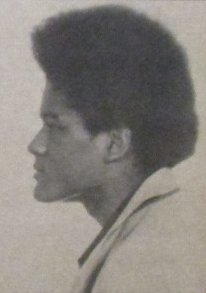
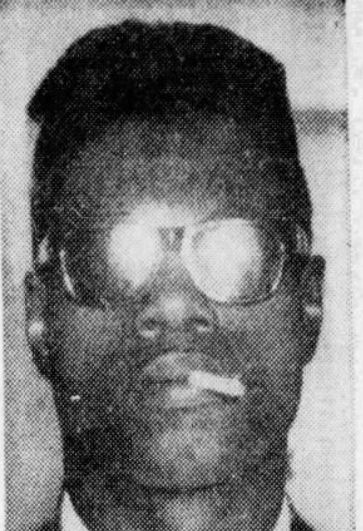
George Adorno: Juvenile Multiple Murderer in New York City
Background
George C. Adorno was a New York City offender who became notorious for committing multiple murders as a juvenile during the 1970s. Born in 1958 or 1959 to Puerto Rican immigrant parents, Adorno developed a lengthy criminal record at an unusually young age. According to contemporary accounts, he had numerous arrests for theft and robbery before reaching adulthood. His criminal history attracted public attention because of the repeated failures of the juvenile justice system to prevent him from reoffending.
Adorno's case became particularly controversial because he was implicated in multiple killings before turning eighteen. Legal issues surrounding the admissibility of his confession resulted in some homicide charges being dismissed, allowing him to receive a significantly lighter sentence than prosecutors had sought. After being released from custody, he committed another fatal robbery-murder within weeks of regaining his freedom.
Known Victims
- Morris Rotter
- Date of Death: 1974
- Location: New York City, New York
- Details: Rotter, occasionally listed elsewhere as "Ratter", was identified as one of the victims in a triple-homicide case linked to Adorno when he was approximately fifteen years old. Rotter, a NYC cab driver, was robbed and killed on Eighth Avenue at 114th Street in New York City.
- Michael Hurd
- Date of Death: 1974
- Location: New York City, New York
- Details: Hurd was another victim connected to the 1974 triple-homicide investigation involving Adorno. Available records indicate that the murders occurred during criminal activity involving robbery. Detailed public documentation regarding the homicide is limited.
- Unidentified Third Victim
- Date of Death: 1974
- Location: New York City, New York
- Details: Contemporary sources describe a triple homicide for which Adorno confessed, but publicly available records do not consistently identify the third victim by name.
- Steven Robinson
- Date of Death: February 23, 1977
- Location: New York City, New York
- Details: Robinson was a law student who worked as a taxi driver to help pay for his education. Adorno and accomplices robbed Robinson and killed him during the course of the crime. This murder led to Adorno's conviction and a sentence of fifteen years to life imprisonment.
The 1974 Triple-Homicide Case
In 1974, Adorno became the focus of a homicide investigation involving three deaths in New York City. At approximately fifteen years old, he was accused of participating in a robbery that resulted in the murders of three victims. During the investigation, Adorno reportedly confessed to the killings in the presence of his sister and a prosecutor.
However, the confession became the subject of a legal challenge. Because Adorno was a juvenile and his mother had not been present during questioning, a judge ruled that the confession could not be used. As a result, the homicide charges were dismissed despite the confession. Instead of being convicted of murder, Adorno was convicted on a lesser robbery-related charge.
The dismissal generated criticism from prosecutors and later became an example cited in discussions about juvenile offenders and procedural safeguards in criminal investigations.
Release from Custody and Return to Crime
Following his conviction on the lesser offense, Adorno was sentenced to confinement as a juvenile offender. He served only a portion of that sentence before being released.
According to court records and later commentary by judges involved in the case, Adorno remained free for only nineteen days before becoming involved in another violent robbery. The speed with which he returned to serious criminal activity became a major point of criticism directed at the juvenile justice system.
The Murder of Steven Robinson
On February 23, 1977, Steven Robinson became the victim of a robbery that ended in murder. Robinson was a law student who worked part-time as a taxi driver. During the robbery, Robinson was killed by Adorno and his accomplices.
The murder attracted significant attention because Robinson was pursuing a legal career and working to finance his education. Prosecutors argued that the killing demonstrated that Adorno remained a serious danger despite his previous arrest history and earlier homicide allegations.
Two accomplices, Mark Davis and Calvin Gaddy, were also charged in connection with Robinson's death. All three ultimately entered guilty pleas related to the murder.
Conviction and Sentencing
On July 12, 1977, George Adorno pleaded guilty in connection with the murder of Steven Robinson. He received a sentence of fifteen years to life imprisonment. His accomplices received similar sentences.
During sentencing, Justice Burton Roberts publicly criticized the handling of Adorno's earlier criminal cases. The judge noted that Adorno had accumulated numerous arrests and had already been implicated in multiple killings before the Robinson murder occurred. The court expressed concern that repeated opportunities for intervention had failed to stop his escalation into increasingly serious violence.
Legacy of the Case
The George Adorno case remains notable because of the offender's young age, the dismissed triple-homicide charges from 1974, and the subsequent murder of Steven Robinson shortly after Adorno's release from custody. The case has frequently been referenced in discussions regarding juvenile crime, repeat violent offenders, and the challenges faced by the criminal justice system when dealing with serious crimes committed by minors.
Although Adorno was linked to multiple killings, the only homicide for which he was ultimately convicted was the February 23, 1977 murder of Steven Robinson. The earlier 1974 triple-homicide allegations remain a significant part of the historical record surrounding the case, but the dismissed charges meant that those killings were never adjudicated through a murder conviction.