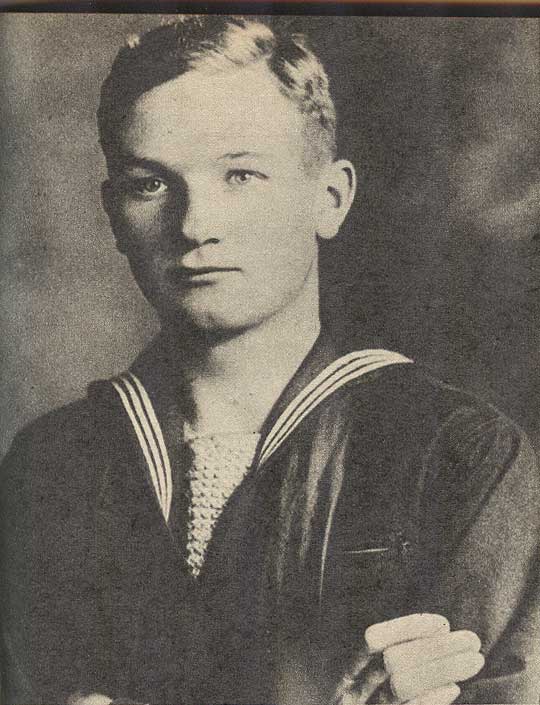
In 1974, Morris Ratter was shot to death in New York City, his life ending in the kind of sudden street violence that rarely makes room for last words or second chances. In later accounts of the crimes attributed to teenage offender George C. Adorno, Ratter’s name appears among the confirmed victims of that early spree, one of the people lost during a period of robberies and gunfire that left families waiting for explanations the courts struggled to deliver.
Police attention turned to Adorno, a 15-year-old already known to the system—someone who, according to reporting summarized in Murderpedia, had been in trouble repeatedly for theft before the homicide charges ever arrived. The picture painted of him was of a kid who’d learned early how to slip through cracks: he was charged with triple homicide, and he confessed to a New York district attorney while his sister sat nearby, but even that confession became another battleground over what counted as lawful and fair.
The confession did not stand. Adorno’s mother had not been summoned, and her absence—paired with the fact that she did not speak English—became central to the legal unraveling that followed. A juvenile magistrate threw out the confession and dismissed three homicide counts. What remained was not a murder conviction tied cleanly to Morris Ratter’s death, but a lesser robbery conviction: three years of confinement, and a juvenile record sealed by court order under state law—an outcome that effectively buried much of what the public might have learned about those 1974 killings.
When Adorno got out after serving half his sentence, Murderpedia notes, he was free for nineteen days before killing again—this time in a case that did result in a clear adult-court conclusion. Steven Robinson, described there as a law student working as a cab driver, was the last victim in the sequence; Adorno entered a guilty plea on July 12, 1977, and received fifteen years to life. Two juvenile accomplices, Mark Davis and Calvin Gaddy also pleaded guilty and received the same sentence. At sentencing, Justice Burton Roberts delivered a blistering rebuke of the juvenile-justice machinery that had failed to stop Adorno sooner, warning that the system had let him learn how to “play” the courts instead of being controlled before more people died.
For Morris Ratter, that later conviction could not rewind the clock to 1974. The most enduring detail left in public summaries is the simplest and cruelest: he was shot and killed, and the case’s decisive moment—Adorno’s confession—was thrown out, shifting the legal result away from homicide and into a sealed juvenile outcome. Years later, prison records summarized in public writing show Adorno eventually being released on parole in November 2009, long after the city had moved on and long after Ratter’s name had become a line in a list rather than a story widely told.