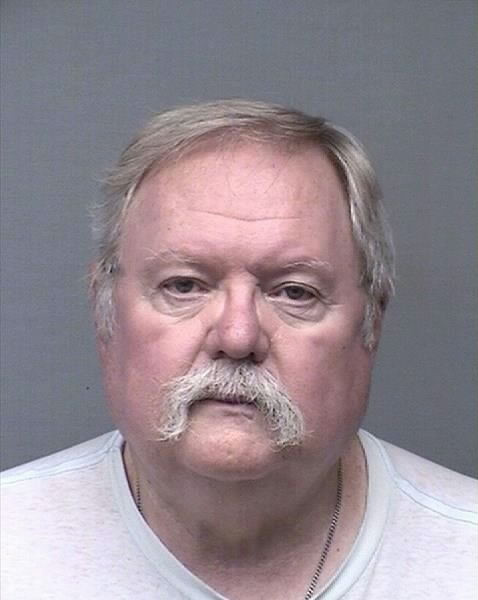
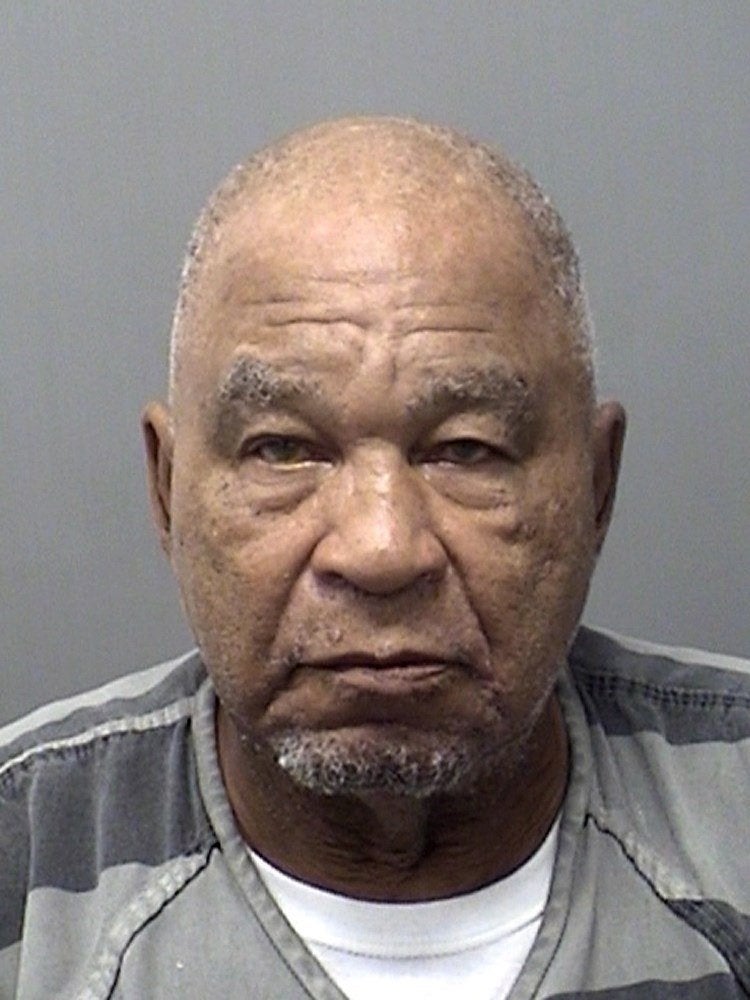
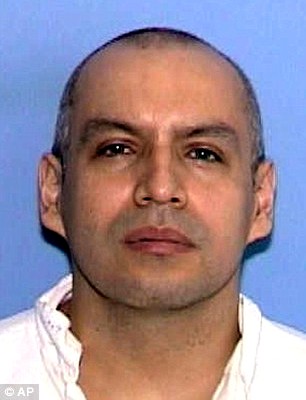
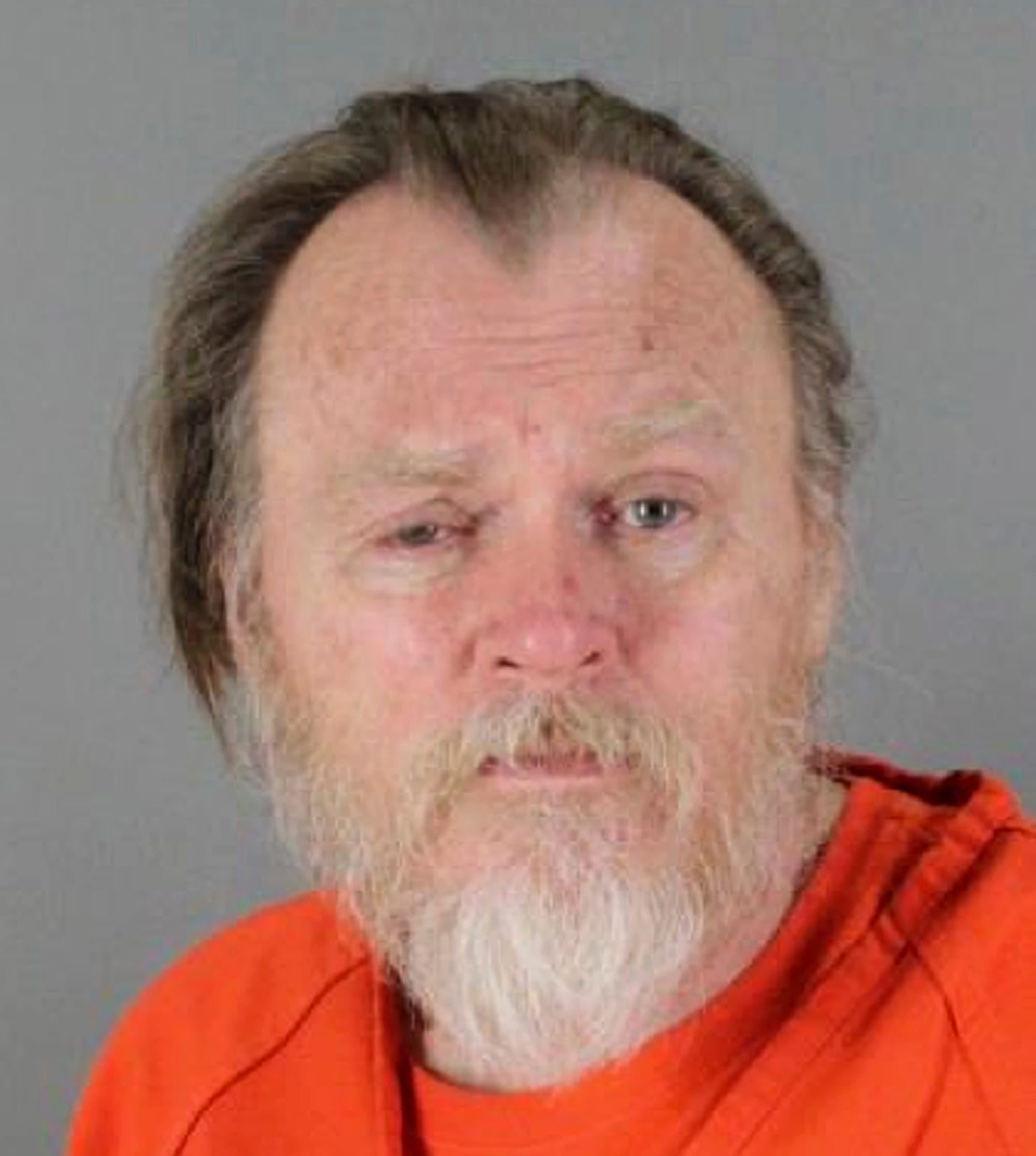
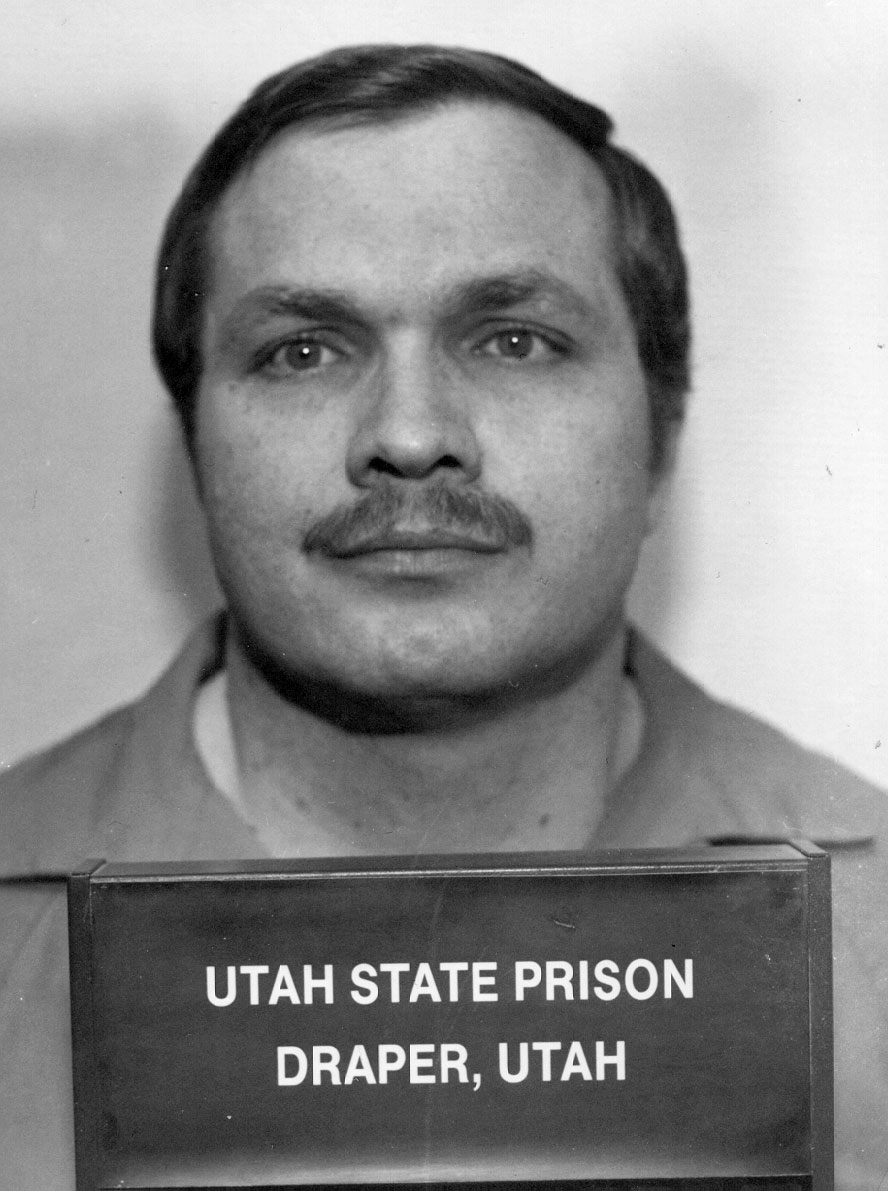
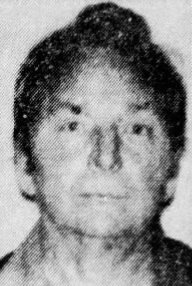
Francis Donald Nemechek: The Western Kansas Serial Killer
Overview
Francis Donald Nemechek was an American serial killer, kidnapper and sexual offender who murdered five people in western Kansas between December 1974 and August 1976. His victims were four young women and a small child. The murders occurred in isolated areas of Graham, Trego and Gove counties, often after Nemechek encountered victims traveling or working alone.
Nemechek used the open highways, rural roads and remote landscape of western Kansas to approach, abduct and transport his victims. His crimes involved shootings, sexual assault, stabbing and abandonment in dangerously cold weather. He was eventually connected to the murders through witness information, physical evidence and his own detailed confessions.
Early Life and Personal Background
Francis Donald Nemechek was born on June 29, 1950, in WaKeeney, Kansas. He grew up in Trego County and attended school in the area. After high school, he studied at a vocational and technical school in Goodland, where he reportedly performed well. He later worked in mechanical, welding and truck-driving jobs that required him to travel throughout western Kansas.
Nemechek married and had a son, but the marriage ended in divorce during the 1970s. People close to him later described him as becoming intensely angry when his former wife or disputes over visitation with his son were discussed. Mental-health testimony presented at his trial suggested that he developed a destructive fixation on women who reminded him of his former wife. However, the jury ultimately rejected the argument that mental illness made him legally incapable of understanding his actions.
The Interstate 70 Abductions
Nemechek committed his first known murders on December 13, 1974. Sheryl Lynn Young, frequently identified in reports as Cheryl Young, was traveling through Kansas with her young son, Guy William Young, and her friend Diane Lynn Lovette. The three were returning toward Iowa after visiting relatives in Colorado.
While their car traveled along Interstate 70 near Ogallah, Kansas, Nemechek fired at one of its tires, forcing the vehicle to stop. He then approached the stranded travelers and forced them into his pickup truck while armed with a shotgun. He drove them away from the highway to an abandoned stone farmhouse in rural Graham County.
At the farmhouse, Nemechek sexually assaulted Diane Lovette before shooting both women with a shotgun. Sheryl Young was shot more than once. Guy, who was two years and ten months old and commonly described as three, was left behind in freezing winter conditions. The inadequately dressed child wandered outside the farmhouse and died from exposure and hypothermia.
The victims’ abandoned automobile was discovered along Interstate 70, but abandoned vehicles were not unusual in the area and authorities initially had no clear evidence explaining what had happened. On January 13, 1975, approximately one month after the abduction, trappers discovered Guy’s frozen body near the farmhouse. Investigators searching the building then found the bodies of Sheryl Young and Diane Lovette on its second floor.
The Interstate Sniping Incident
On January 1, 1976, Nemechek became involved in another violent incident on Interstate 70. A pickup truck followed and harassed a vehicle carrying members of a Colorado family. The pickup eventually moved ahead and stopped near an overpass east of WaKeeney. Several bullets were fired at the passing car, striking its exterior and lodging inside it, although none of the occupants were injured.
Witnesses helped authorities identify Nemechek as the suspected gunman. He was arrested and charged in connection with the shooting but was released after posting bond. At that time, investigators had not gathered enough evidence to connect him to the unsolved farmhouse murders. While awaiting court proceedings for the highway shooting, Nemechek continued committing violent crimes.
The Murder of Carla Baker
On the evening of June 30, 1976, 20-year-old Carla Baker went for a bicycle ride near the western edge of Hays, Kansas. Baker was a University of Kansas student who was staying with her parents during the summer. Nemechek encountered her while driving his pickup truck and forced her into the vehicle after a confrontation.
Nemechek transported Baker approximately 50 miles to a remote area near the southern side of Cedar Bluff Reservoir in Trego County. He attempted to sexually assault her, but Baker resisted and tried to escape. Nemechek chased her, attacked her with a knife and left her body in the isolated landscape.
Baker’s bicycle was found after she failed to return home, prompting her family to report her missing. Law-enforcement officers and numerous volunteers searched the surrounding countryside, but her location remained unknown for nearly three months. After Nemechek was arrested for another murder, he provided information that led investigators to Baker’s remains. They were recovered near Cedar Bluff Reservoir on September 21, 1976.
The Murder of Paula Fabrizius
Nemechek’s final confirmed victim was 16-year-old Paula Fabrizius of Ellis, Kansas. Paula was an Ellis High School student, cheerleader and summer rangerette at Cedar Bluff State Park. Rangerettes were responsible for checking vehicle permits and assisting visitors at the reservoir. Although they were generally expected to work in pairs, staffing shortages sometimes left employees working alone.
On August 21, 1976, Paula was stationed alone at Cedar Bluff Reservoir when Nemechek approached her under the appearance of seeking directions or purchasing a vehicle permit. He returned to her station after their initial conversation, grabbed her and forced her into his pickup truck.
Nemechek drove Paula to a secluded bluff overlooking the Castle Rock area of Gove County. He sexually assaulted her and then stabbed her to death. He discarded her body and clothing from the bluff. Paula’s body was discovered near Castle Rock on August 22, 1976, by people traveling through the area.
Witnesses identified Nemechek as one of the last people seen with Paula. Investigators also developed physical evidence connecting him and his pickup truck to the crime. The discovery transformed what had initially appeared to be an isolated abduction into a wider investigation of several disappearances and murders across western Kansas.
Confirmed Victims
- Diane Lynn Lovette, 19: Murdered on December 13, 1974, after being abducted from Interstate 70 near Ogallah in Trego County, Kansas. She was taken to an abandoned farmhouse in Graham County, sexually assaulted and fatally shot with a shotgun.
- Sheryl Lynn “Cheryl” Young, 21: Murdered on December 13, 1974, after being abducted with Diane Lovette and her son from Interstate 70 near Ogallah. She was shot to death inside the abandoned Graham County farmhouse.
- Guy William Young, 2 years and 10 months old: Died on December 13, 1974, after being abandoned at the Graham County farmhouse in freezing weather. He wandered outside without adequate winter clothing and died from hypothermia. His body was discovered on January 13, 1975.
- Carla Baker, 20: Murdered on June 30, 1976, after being abducted while riding her bicycle near Hays, Kansas. She was taken to a remote area near Cedar Bluff Reservoir in Trego County, attacked and stabbed. Her remains were recovered on September 21, 1976.
- Paula Fabrizius, 16: Murdered on August 21, 1976, after being abducted from her rangerette post at Cedar Bluff Reservoir. She was taken to an isolated location near Castle Rock in Gove County, sexually assaulted and stabbed. Her body was found on August 22, 1976.
Arrest and Investigation
Nemechek was arrested on August 24, 1976, initially in connection with the murder of Paula Fabrizius. Investigators learned that he had been seen near Paula’s workstation and was believed to be the last person observed with her. Fingerprint and physical evidence further connected him to the crime scene.
A search of Nemechek’s pickup and camper produced additional evidence. Investigators found blood in carpeting from the bed of his truck, as well as a piece of cloth that matched clothing Carla Baker had been wearing when she disappeared. Forensic testing indicated that a substantial amount of blood had soaked into the carpet.
As detectives examined Nemechek’s movements, they began comparing the Fabrizius murder with the disappearance of Carla Baker and the unresolved deaths of Diane Lovette, Sheryl Young and Guy Young. The locations were connected by Nemechek’s familiarity with Cedar Bluff Reservoir, Interstate 70 and isolated rural properties throughout western Kansas.
Confessions
On October 7, 1976, Nemechek gave investigators a confession covering all five deaths. He described abducting Carla Baker, taking her to Cedar Bluff Reservoir and stabbing her after she resisted his attack. He also admitted abducting Paula Fabrizius from her rangerette station, sexually assaulting her and killing her near Castle Rock.
Nemechek further confessed that he had abducted Diane Lovette, Sheryl Young and Guy Young from Interstate 70 in December 1974. He admitted forcing the group to the abandoned farmhouse and shooting both women. Although he provided details about killing the women, investigators reported that he appeared unwilling or unable to acknowledge responsibility for abandoning the child to die.
The confessions contained details that were consistent with physical evidence and facts known to investigators. Nemechek’s statements, combined with the forensic evidence from his vehicle and witness testimony, formed the central foundation of the prosecution’s case.
Trial and Insanity Defense
Because the murders had generated extensive publicity in western Kansas, Nemechek’s trial was moved to Salina. Proceedings began in February 1977. His attorneys did not seriously dispute that he had committed the killings. Instead, they argued that he was legally insane and unable to understand the nature or wrongfulness of his actions.
Psychiatrists and other witnesses testified about Nemechek’s mental condition, his anger toward his former wife and his claimed memory problems. The defense suggested that his hostility toward his former wife had been redirected toward women who reminded him of her. Prosecutors responded with expert testimony indicating that Nemechek understood his behavior and had attempted to exaggerate or imitate symptoms of mental illness during psychological testing.
After approximately four hours of deliberation, the jury rejected the insanity defense. Nemechek was found guilty of five counts of first-degree murder. On March 7, 1977, he was sentenced to five life terms in prison.
Appeal and Imprisonment
Nemechek appealed his convictions to the Kansas Supreme Court. His attorneys challenged several trial rulings, including matters related to the insanity defense and evidence surrounding his earlier interstate shooting case. On April 1, 1978, the Kansas Supreme Court affirmed all five murder convictions.
Nemechek became eligible for parole after serving the minimum period required under the sentencing laws in effect at the time of his crimes. His possible release repeatedly generated opposition from victims’ relatives and Kansas residents. Petitions containing thousands of signatures were presented to parole officials, asking that he remain imprisoned.
His parole requests have repeatedly been denied. The denials reflected the calculated nature of the abductions, the sexual violence committed against several victims, the murder of a child and the lasting danger associated with his crimes. He has continued serving his life sentences in the Kansas prison system.
Legacy of the Crimes
The Nemechek murders remain among the most notorious crimes in western Kansas history. His use of Interstate 70 and isolated public lands demonstrated how ordinary travel routes could become hunting grounds for a violent offender familiar with the region. Several victims were approached while traveling, riding a bicycle or performing a summer job, making their encounters with him appear routine until he used force.
The case also exposed the difficulties faced by rural investigators working across several counties. The victims were abducted in one jurisdiction, transported across county lines and killed in remote places where their bodies could remain hidden. It was only after the murder of Paula Fabrizius that witness accounts, forensic evidence and Nemechek’s geographical connections allowed investigators to assemble the separate cases into a single pattern.
Francis Donald Nemechek was ultimately held responsible for the deaths of Diane Lovette, Sheryl Young, Guy Young, Carla Baker and Paula Fabrizius. Their murders occurred over less than two years, but the consequences have continued for decades through the grief of their families, repeated parole proceedings and the enduring memory of five lives taken in a series of calculated and deeply violent crimes.