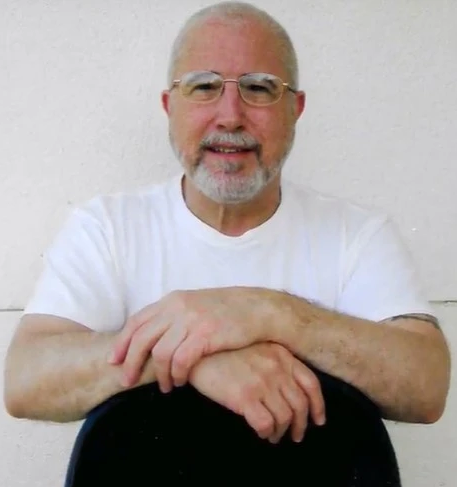
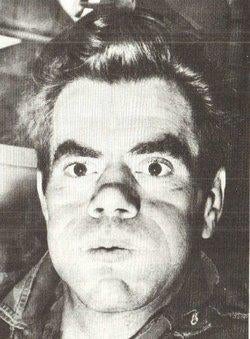
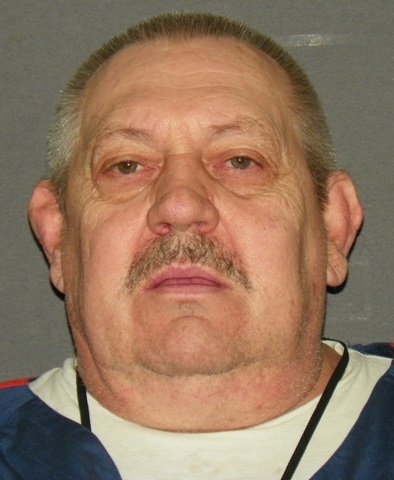
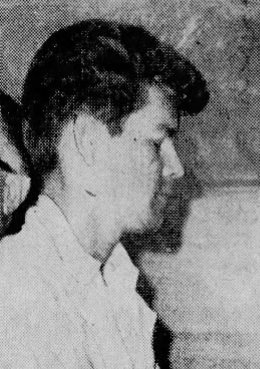
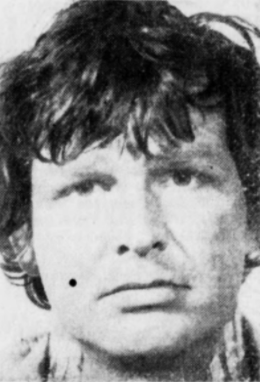
Randy Steven Kraft: The Scorecard Killer
Overview
Randy Steven Kraft is an American serial killer responsible for a prolonged series of abductions, sexual assaults, torture and murders involving teenage boys and young men. His known crimes occurred primarily in Southern California, although investigators also connected him to deaths in Oregon and examined cases in other states. His suspected period of activity extended from at least 1970 until his arrest on May 14, 1983.
Kraft was convicted of sixteen murders in 1989 and sentenced to death. Investigators, however, believe that the convictions represented only a portion of his crimes. More than thirty identified victims have been attributed or strongly linked to him, and a coded list found in his automobile suggested that he may have attacked or killed many more.
He became known as the “Scorecard Killer” because of that coded list, which contained sixty-one numbered entries. He has also been called the “Southern California Strangler” and one of the “Freeway Killers” because he frequently abandoned victims beside freeways, on highway embankments, near entrance ramps and in isolated roadside locations.
Early Life
Randy Steven Kraft was born on March 19, 1945, in Long Beach, California. He was the youngest of four children and the only boy in his family. He grew up in Westminster, California, where he was considered intelligent and academically capable. He graduated from Westminster High School in 1963.
Kraft attended Claremont Men’s College, now known as Claremont McKenna College, and studied economics. He became involved in conservative political activities while attending college and graduated in 1968. Afterward, he enlisted in the United States Air Force and received training involving electronics and computers.
Kraft disclosed his homosexuality during his military service and was discharged in 1969, when military policy prohibited gay men and women from serving openly. After leaving the Air Force, he developed a successful career as a computer programmer and consultant. His employment required occasional travel and gave him access to different cities and states.
To friends, coworkers and acquaintances, Kraft frequently appeared intelligent, organized and socially functional. He maintained relationships, held professional positions and entertained visitors at his home. This outwardly conventional existence concealed an increasingly violent pattern of predatory behavior.
Victim Selection
Kraft primarily targeted teenage boys and young men. Many of the victims were hitchhikers, military personnel, students, travelers or men he encountered in bars. Several were Marines stationed at Camp Pendleton, Marine Corps Air Station El Toro or other military installations in Southern California.
He often approached victims while driving and offered them transportation. Some were traveling home, returning to a military base or attempting to reach another city. Others were intoxicated when they met him or accepted alcohol after entering his vehicle.
Kraft used alcohol, tranquilizers and other drugs to weaken or incapacitate his victims. Toxicology examinations frequently detected high levels of alcohol, diazepam or other sedatives. Once a victim became confused, physically impaired or unconscious, Kraft could restrain him with less resistance.
Methods of Murder
Many of Kraft’s victims were sexually assaulted while drugged or unconscious. Some were photographed in his home before or after death. Several bodies showed evidence of beating, biting, burning, torture, mutilation or the insertion of foreign objects.
Strangulation was his most common method of murder. Belts, shoelaces, cords and other ligatures were used in numerous cases. Other victims died from suffocation, drug poisoning or a combination of intoxication and physical violence.
Kraft frequently removed clothing, identification and personal property from the bodies. He then transported the victims to disposal locations beside freeways, in hotel parking lots, near highway ramps, in canyons, beside rural roads or on wooded embankments.
The broad geographic distribution of the bodies caused the murders to be investigated by different police departments, sheriff’s offices and state agencies. Before modern computerized case-sharing systems became common, investigators had difficulty recognizing that deaths in separate jurisdictions were the work of the same offender.
Confirmed and Strongly Linked Victims
- Wayne Joseph Dukette, 30 – October 5, 1971 – Ortega Highway, Orange County, California: Dukette was a Long Beach resident who worked as a bartender at the Stable, a bar in Sunset Beach. He was last seen alive on September 20, 1971. His nude and decomposed body was found near the Ortega Highway on October 5. Decomposition prevented investigators from establishing clear evidence of violence, and his death was initially attributed to acute alcohol poisoning. Kraft’s first scorecard entry, “Stable,” caused investigators to believe that it referred to Dukette.
- Edward Daniel Moore, 20 – December 24, 1972 – Seal Beach, California: Moore was a Marine stationed at Camp Pendleton. He disappeared on Christmas Eve, and his bound body was found beside the San Diego Freeway in Seal Beach on December 26. He had been beaten, sexually assaulted and strangled. Kraft was later convicted of his murder.
- Kevin Clark Bailey, 17 – April 9, 1973 – Huntington Beach, California: Bailey was a Westminster teenager whose body was found near a roadway on April 14, several days after his death. He had been drugged, sexually assaulted, strangled and mutilated. Investigators connected the case to Kraft through physical and circumstantial evidence, and Kraft was convicted of Bailey’s murder.
- Ronnie Gene Wiebe, 20 – July 30, 1973 – Seal Beach, California: Wiebe disappeared after leaving a bar on July 28. His body was found beside a freeway ramp in Seal Beach on July 30. He had been strangled with a belt and showed evidence of sexual assault. Kraft was convicted of the murder.
- Vincent Cruz Mestas, 23 – December 29, 1973 – San Bernardino Mountains, California: Mestas was an art student whose body was found in a mountainous area. He had been strangled and mutilated, and his hands had been removed. Investigators associated him with the scorecard entry “Vince M.”
- Malcolm Eugene Little, 20 – May 28, 1974 – Southern California: Little was a young man whose death shared characteristics with Kraft’s established pattern, including intoxication, sexual violence and roadside disposal. Investigators later connected his case to Kraft’s coded scorecard.
- Roger Edward Dickerson, 18 – June 21, 1974 – Laguna Beach, California: Dickerson was a Marine whose body was found near a roadway. He had been strangled and showed injuries resembling those inflicted on other young military victims attributed to Kraft.
- James Dale Reeves, 19 – November 27, 1974 – Irvine, California: Reeves was found dead beside a roadway in the Irvine area. Evidence indicated that he had been sexually assaulted and killed before his body was abandoned. His age, injuries and disposal location were consistent with Kraft’s known crimes.
- John William Leras, 17 – January 4, 1975 – Sunset Beach, California: Leras was last seen alive on January 3 after boarding a bus in Long Beach. His body was discovered at Sunset Beach the following day. He had been strangled, sexually assaulted and subjected to postmortem injuries.
- Craig Jonaitis, 21 – January 17, 1975 – Long Beach, California: Jonaitis was found dead in the parking area of the Golden Sails Hotel in Long Beach. Investigators associated his murder with the scorecard entry “Golden Sails,” which apparently referred to the body-disposal location.
- Keith Daven Crotwell, 19 – March 29, 1975 – Long Beach and Orange County, California: Crotwell was last seen leaving a Long Beach bar with Kraft. His severed head was later discovered near Long Beach, and other remains were found in Orange County. Kent May, who had been with Crotwell that night, survived an encounter with Kraft and provided important information. Kraft was convicted of Crotwell’s murder.
- Mark Howard Hall, 22 – December 31, 1975 – Silverado Canyon, Orange County, California: Hall’s body was discovered in a remote canyon on January 1, 1976. He had been restrained, sexually assaulted and tortured. His body showed extensive injuries and had been set on fire. Kraft was convicted of the murder.
- Paul Joseph Fuchs, 19 – December 10, 1976 – Long Beach, California: Fuchs disappeared after leaving a Long Beach bar. His remains were not conclusively recovered, but investigators connected his disappearance to Kraft’s movements and to the scorecard entry “Fox,” which was believed to be a reference to his surname.
- Scott Michael Hughes, 18 – April 16, 1978 – Orange County, California: Hughes was last seen in Long Beach before his body was found beside a freeway in Orange County. He had consumed alcohol and tranquilizers before being strangled. Kraft was convicted of killing him.
- Richard Allen Keith, 20 – June 1978 – Mission Viejo, California: Keith was a United States Marine whose body was found beside Interstate 5 near Mission Viejo. He had been drugged and strangled. Evidence suggested that his body had been pushed or thrown from a moving automobile. Kraft was convicted of the murder.
- Roland Gerald Young, 23 – June 11, 1978 – San Diego County, California: Young’s body was discovered beside Interstate 8. He had been drugged, restrained, sexually assaulted and strangled. Kraft was later convicted of his murder.
- Keith Arthur Klingbeil, 23 – July 6, 1978 – Mission Viejo, California: Klingbeil was found unconscious beside Interstate 5 with a shoelace tied around his neck. He was still alive when discovered but died after being transported to a hospital. Investigators determined that he had been drugged, assaulted and strangled. Kraft was convicted of his murder.
- Richard Anthony Crosby, 20 – September 29, 1978 – San Bernardino County, California: Crosby disappeared while hitchhiking home from Torrance. His body was found beside Highway 71 on September 29. He had been suffocated and burned with a cigarette lighter.
- Michael Joseph Inderbieten, 21 – November 18, 1978 – Long Beach, California: Inderbieten’s body was found near an entrance ramp to Interstate 605. He had been strangled and severely mutilated. Kraft was convicted of his murder.
- Donnie Harold Crisel, 20 – July 16, 1979 – Dana Point, California: Crisel was a Marine stationed at Camp Pendleton. His body was found near Pacific Coast Highway after apparently being thrown from a moving automobile. Although alcohol poisoning was initially listed as the cause of death, marks on his body showed that he had been bound, burned and tortured. Kraft was convicted of his murder.
- Keith Anthony Jackson, 21 – August 29, 1979 – Long Beach, California: Jackson was an English visitor whose dismembered remains were found in trash bags and a cardboard box behind a Union 76 gas station. His head, torso and one leg were recovered. Investigators believed that the scorecard entries “England” or “76” referred to him.
- Gregory Wallace Jolley, 19 – September 14, 1979 – Lake Arrowhead, California: Jolley’s body was found near Lake Arrowhead. He had been drugged, sexually assaulted and strangled. His body also showed evidence of burning and other injuries associated with Kraft’s methods.
- Mark Alan Marsh, 19 – February 18, 1980 – Buena Park, California: Marsh was a Marine who was last seen hitchhiking toward Buena Park. He was found decapitated. Investigators believed that the scorecard entry “Marine Head BP” referred to Marsh, with “BP” representing Buena Park.
- Michael Sean O’Fallon, 17 – July 17, 1980 – Near Talbot, Oregon: O’Fallon was a recent high school graduate from Denver who was hitchhiking across the United States and Canada. His nude and bound body was found beside Interstate 5 south of Salem. He had consumed alcohol and diazepam before being strangled. His camera was later recovered from Kraft’s garage, and the scorecard entry “Portland Denver” was linked to him.
- Larry Eugene Parks, 30 – July 18, 1980 – Near Woodburn, Oregon: Parks was a Vietnam War veteran whose body was found beside Interstate 5 near Woodburn. He had been drugged and strangled with a ligature. His belt and shoelaces were missing. He remained unidentified for more than four decades before forensic genetic genealogy restored his name. Oregon investigators identified Kraft as the sole person of interest in the killing and connected Parks to the scorecard entry “Portland Elk.”
- Robert Wyatt Loggins Jr., 19 – September 3, 1980 – Near El Toro, California: Loggins was a Marine whose bound body was found inside a trash bag near Marine Corps Air Station El Toro. He had last been seen alive on August 23. Photographs later recovered from Kraft’s home showed Loggins clothed and apparently intoxicated, followed by photographs in which he was nude and unresponsive. Kraft was convicted of his murder.
- Arne Mikeal Laine, 24 – November 1, 1982 – San Diego County, California: Laine was last seen hitchhiking while searching for work. His remains were found in January 1984 on a hillside near Ramona. Investigators connected his disappearance and death to Kraft’s travels and scorecard.
- Lance Taggs, 19 – December 8, 1982 – Clackamas County, Oregon: Taggs was a young man whose body was found beside a road in Oregon. He had been drugged and strangled. The circumstances of the crime and Kraft’s presence in the region led investigators to connect the murder to him.
- Eric Herbert Church, 21 – January 27, 1983 – Orange County, California: Church was a Marine whose body was found beside Interstate 5. He had been drugged, beaten and strangled. Evidence recovered after Kraft’s arrest connected him directly to the murder, and Church was one of the sixteen victims whose killings resulted in Kraft’s conviction.
- Geoffrey Alan Nelson, 18 – February 12, 1983 – Orange County, California: Nelson and Rodger DeVaul were last seen together before both were murdered. Nelson had been drugged, sexually assaulted and strangled. Kraft was convicted of the murder, and the scorecard entry “2 in 1 Beach” was believed to refer to Nelson and DeVaul.
- Rodger James DeVaul Jr., 20 – February 12, 1983 – Orange County, California: DeVaul was murdered during the same episode as Geoffrey Nelson. The two young men were drugged, assaulted and strangled before their bodies were abandoned in separate locations. Kraft was convicted of both murders.
- Terry Lee Gambrel, 25 – May 14, 1983 – Mission Viejo, California: Gambrel was a Marine corporal stationed at El Toro. His body was discovered in the passenger seat of Kraft’s automobile during the traffic stop that ended Kraft’s murder series. Gambrel had been drugged and strangled with a belt only a short time before officers stopped the vehicle.
Suspected Victims
Investigators have examined Kraft in connection with numerous additional deaths. The following victims were not all included among the murders for which he was prosecuted, but their ages, injuries, disappearance circumstances, disposal locations or possible scorecard references caused authorities to consider Kraft a suspect.
- Jeffrey Sayre, 15 – November 24, 1979 – Santa Ana, California: Sayre disappeared after leaving a restaurant. His body was later found near a freeway. His age, the location and the circumstances of his death led investigators to consider a possible connection to Kraft.
- Michael Cluck, 17 – April 10, 1981 – Near Goshen, Oregon: Cluck was hitchhiking from Kent, Washington, toward Bakersfield, California. His body was found beside Interstate 5 near Goshen. He had been beaten and strangled. Kraft was traveling in the region near the time of the murder.
- Christopher Allen Williams, 17 – August 20, 1981 – Oregon: Williams was a teenage victim whose death occurred during Kraft’s known period of activity. Investigators examined similarities between his case and other highway murders connected to Kraft.
- Raymond Davis, 14 – July 29, 1982 – Echo Park, Los Angeles, California: Davis had last been seen alive on June 17 while searching for his missing dog. His decomposed body was found near the Rampart Boulevard offramp of the Hollywood Freeway. His hands had been tied behind his back, and he had been strangled with a shoelace.
- Robert Avila Jr., 16 – July 29, 1982 – Echo Park, Los Angeles, California: Avila’s body was found near the Hollywood Freeway on the same date as the discovery of Raymond Davis. The two cases were examined as a possible double murder because Kraft’s scorecard contained entries believed to represent pairs of victims.
- Brian Whitcher, 26 – November 24, 1982 – Oregon: Whitcher died while Kraft was traveling through or had access to the Pacific Northwest. Investigators examined his death for similarities to other young men who were drugged, strangled and abandoned near highways.
- Anthony Jose Silveira, 29 – December 3, 1982 – Medford, Oregon: Silveira disappeared in southern Oregon. His case was investigated in connection with Kraft because of the date, location and Kraft’s known travel through the region.
- Dennis Alt, 24 – December 7, 1982 – Grand Rapids, Michigan: Alt and Christopher Schoenborn were last seen in the Grand Rapids area. Investigators believed that Kraft’s scorecard entry “GR2” may have referred to two victims from Grand Rapids.
- Christopher Schoenborn, 20 – December 7, 1982 – Grand Rapids, Michigan: Schoenborn disappeared during the same period as Dennis Alt. The possible scorecard reference “GR2,” combined with Kraft’s travel history, caused investigators to suspect that Kraft was responsible for both deaths.
Known Survivors
- Joseph Alwyn Fancher, 13 – Attacked in March 1970 – Huntington Beach, California: Fancher was thirteen when Kraft offered him a ride. Kraft gave the boy alcohol and drugs until he lost consciousness and then sexually assaulted him. Fancher survived after being abandoned. The attack demonstrated that Kraft’s predatory behavior had begun before the earliest death generally attributed to him.
- Kent May – Attacked on March 29, 1975 – Long Beach, California: May was with Keith Crotwell when the two encountered Kraft after visiting a Long Beach bar. May became severely intoxicated or drugged and was separated from Crotwell. May survived, but Crotwell was murdered and dismembered. May’s account helped establish that Crotwell had entered Kraft’s vehicle shortly before disappearing.
The Scorecard
The most significant item found in Kraft’s possession was a handwritten list containing sixty-one numbered and coded entries. Investigators concluded that the list recorded murders, victims, body-disposal sites or details Kraft associated with particular crimes.
Some entries consisted of initials or shortened names. Others referred to military service, geographic locations, physical characteristics or places where bodies were left. Examples included “Stable,” “EDM,” “Vince M,” “Golden Sails,” “Marine Head BP,” “Portland Denver,” “Portland Elk,” “GR2” and “2 in 1 Beach.”
Numerous entries closely matched known victims. “Stable” was linked to Wayne Dukette, who worked at the Stable bar. “Vince M” was associated with Vincent Mestas. “Golden Sails” corresponded to the hotel parking lot where Craig Jonaitis was found. “Portland Denver” was connected to Denver resident Michael O’Fallon, who was murdered while Kraft was working near Portland.
Some entries appeared to represent two victims killed during the same episode. Because of these apparent double murders, detectives estimated that the sixty-one entries could represent as many as sixty-seven victims.
Kraft denied that the document recorded murders and claimed that it concerned sexual encounters. Investigators rejected that explanation because the list contained details matching victim names, hometowns, military connections and body-disposal locations.
Photographs and Personal Property
Searches of Kraft’s home uncovered photographs of young men who appeared intoxicated, drugged, unconscious or dead. Some were clothed in early photographs and nude in later images. Several were positioned in sexually degrading ways.
Nine photographs of Robert Wyatt Loggins were particularly important. They showed Loggins inside Kraft’s residence before his body was found near El Toro. The photographs directly established that the victim had been under Kraft’s control.
Investigators also found clothing, identification, cameras and other property connected to victims. Michael O’Fallon’s camera, marked with his mother’s initials, was recovered from Kraft’s garage. Prosecutors argued that Kraft retained photographs and belongings as trophies from his crimes.
The Arrest of Randy Kraft
During the early morning hours of May 14, 1983, California Highway Patrol officers observed Kraft’s Toyota Celica weaving across lanes on Interstate 5 near Mission Viejo. Believing that the driver might be intoxicated, the officers stopped the vehicle.
Kraft emerged from the car with his clothing disarranged. The officers saw a young man slumped in the passenger seat beneath a jacket. Empty beer bottles and an open container of prescription medication were visible inside the automobile.
The passenger did not respond when officers attempted to awaken him. They discovered that he had no pulse and that his skin was cold. A belt had been tightened around his neck, his hands had been restrained and his clothing had been opened. The dead passenger was identified as Terry Lee Gambrel.
Kraft was arrested at the scene. A traffic stop for suspected impaired driving had exposed a murder committed only a short time earlier and brought an end to a killing series that had continued for more than a decade.
Evidence Recovered from the Vehicle
Police searched Kraft’s car and recovered the coded scorecard, prescription drugs, alcohol and other physical evidence. Items in the vehicle were compared with fibers, blood and other materials collected during earlier homicide investigations.
Documents and personal property helped detectives reconstruct Kraft’s movements. Investigators reviewed employment records, travel schedules, receipts, witness statements and places where he had lived or worked.
The evidence allowed agencies across California and Oregon to compare cases that had previously appeared unrelated. Investigators eventually reviewed hundreds of unsolved murders, suspicious deaths and missing-person cases involving young men.
Charges and Trial
Kraft was initially charged with the murder of Terry Lee Gambrel. As investigators examined his property and compared evidence from earlier cases, prosecutors added fifteen more murder charges.
His trial began in Orange County in September 1988 and continued for more than a year. Prosecutors presented a massive collection of physical and circumstantial evidence, including photographs, fibers, blood evidence, victim property, witness testimony, travel records and the coded scorecard.
The prosecution argued that Kraft repeatedly used alcohol and sedatives to incapacitate young men before sexually assaulting, torturing and strangling them. He then transported the bodies in his car and abandoned them in locations designed to delay identification and separate the murders among different jurisdictions.
The defense disputed the forensic evidence and argued that the scorecard was not a murder record. Kraft denied killing the victims and attempted to explain his possession of photographs and personal property through innocent or unrelated circumstances.
The Sixteen Murder Convictions
On May 12, 1989, the jury convicted Kraft of sixteen counts of first-degree murder. The convictions involved Edward Daniel Moore, Kevin Clark Bailey, Ronnie Gene Wiebe, Keith Daven Crotwell, Mark Howard Hall, Scott Michael Hughes, Roland Gerald Young, Richard Allen Keith, Keith Arthur Klingbeil, Michael Joseph Inderbieten, Donnie Harold Crisel, Robert Wyatt Loggins Jr., Eric Herbert Church, Rodger James DeVaul Jr., Geoffrey Alan Nelson and Terry Lee Gambrel.
Kraft was also convicted of sexual and mutilation-related offenses. The jury found multiple special circumstances, including multiple murders and murders committed during sexual crimes, making him eligible for the death penalty.
The prosecuted cases were selected because they contained the strongest combinations of physical evidence, photographs, witness testimony and links to Kraft’s property. Many additional deaths were not charged because evidence had deteriorated, remains were incomplete or prosecutors could not prove Kraft’s responsibility beyond a reasonable doubt.
Death Sentence
On November 29, 1989, Kraft was sentenced to death. The judge emphasized the calculated, repetitive and exceptionally cruel nature of the murders. Kraft continued to deny responsibility and pursued automatic and post-conviction appeals.
In August 2000, the California Supreme Court upheld his convictions and death sentence. He has remained imprisoned under a death sentence while continuing to challenge the judgment.
Possibility of an Accomplice
Investigators have debated whether Kraft committed every crime alone. Some victims were healthy young military personnel who might have been difficult for one person to restrain and move. Several cases involved two victims apparently abducted and killed during the same period.
Kraft’s former roommate and partner, Jeff Graves, was questioned about the scorecard and Kraft’s activities. Graves reportedly helped investigators interpret some entries but died in 1987 before Kraft’s trial.
No person was charged as Kraft’s accomplice. Although the possibility of assistance has never been completely eliminated, prosecutors presented the charged murders as Kraft’s individual crimes.
Unidentified and Unresolved Cases
The full number of Kraft’s victims remains unknown. Some scorecard entries have never been matched to identified individuals. Other entries may refer to victims whose bodies were never recovered, deaths classified as accidental overdoses or unidentified remains found far from the victims’ homes.
Advances in DNA testing and forensic investigative genetic genealogy have allowed authorities to identify men who remained nameless for decades. The identification of Larry Eugene Parks demonstrated that cases linked to Kraft can still be resolved many years after the original investigation.
Several photographs found in Kraft’s possession also remain troubling because not every person depicted was conclusively identified. Some may have survived encounters with him, while others may represent additional victims.
Investigative Legacy
Kraft’s case demonstrated the problems created by a mobile serial offender who crossed jurisdictional boundaries. A victim could disappear in one city, be killed in another and be found beside a highway in a third jurisdiction. Without centralized databases, each agency might initially treat the death as an isolated case.
The investigation helped emphasize the importance of sharing autopsy findings, missing-person reports, victim descriptions and crime-scene details among local, state and federal authorities. His use of freeways and long-distance travel showed how easily a mobile offender could conceal a pattern by scattering victims over a large area.
Conclusion
Randy Steven Kraft maintained the appearance of an educated and successful computer professional while conducting a sustained campaign of sexual violence and murder. He targeted vulnerable teenage boys and young men, incapacitated them with alcohol and drugs, and subjected many to prolonged physical and sexual abuse.
His arrest occurred only because officers stopped him while he was transporting the body of his final known victim. The evidence found in his car and home transformed a collection of apparently unrelated roadside deaths into one of the largest serial-murder investigations in American history.
Kraft was convicted of sixteen murders, but the identified confirmed, strongly linked and suspected victims indicate a considerably greater number. The sixty-one-entry scorecard, including entries believed to describe double murders, suggests that the total may have reached sixty-seven.
Many entries remain unexplained, and additional victims may still be unidentified. The continuing examination of old evidence, DNA profiles and unidentified remains may eventually restore more names to the men Kraft reduced to coded entries on his private scorecard.