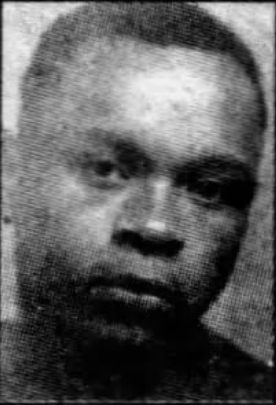
Christopher Dwayne Peterson: The Shotgun Killer
Background
Christopher Dwayne Peterson, later known as Obadyah Ben-Yisrayl, was born on January 20, 1969, in Gary, Indiana. He became associated with a brief but deadly series of shotgun attacks that terrorized communities across northwestern Indiana during the final months of 1990. Newspapers and investigators referred to the unidentified attacker as the “Shotgun Killer” because the victims were repeatedly shot at close range with a 12-gauge shotgun.
Seven people were killed between October 30 and December 18, 1990. Another man survived a similar shooting. The attacks occurred at gas stations, a motel, an automated teller machine, a roadside toll booth, a parked automobile and a tailor shop. Several victims were working alone or handling money when they were attacked, leading investigators to conclude that robbery was a significant motive in at least some of the crimes.
Peterson was eventually convicted of four of the seven murders. He was separately tried and acquitted of charges involving the other three deaths. Because of those acquittals, the entire seven-victim series should not be described as legally proven to have been committed by Peterson. Nevertheless, investigators and prosecutors treated the crimes as part of the same shotgun-murder investigation.
The First Two Killings
The series began on October 30, 1990, with two fatal shootings committed only a few hours apart in Lake County. Lawrence Mill, an insurance agent, was found shot inside his automobile outside American Legion Post 66 in Griffith. There were no known eyewitnesses to the killing.
Approximately two and a half hours later, Rhonda L. Hammersley was attacked while working at a gas station in Cedar Lake. She was shot in the station’s parking area. A witness described the gunman as a slender, clean-shaven white man with long, stringy brown hair. This description later became a major point of controversy because Peterson was Black and did not resemble the person described by the witness.
Peterson was prosecuted for the murders of Mill and Hammersley but was acquitted. Ronald J. Harris was also implicated in connection with the two October 30 attacks and was ultimately convicted for his involvement.
The Portage Murders
After a gap of several weeks, the shootings resumed in Portage. On December 13, 1990, Harchand Singh Dhaliwal was working alone during the evening at a Hudson Oil gas station. The attacker entered the business, shot Dhaliwal in the head at close range with a shotgun and stole approximately $327.55 from the cash register.
Two days later, on December 15, Marie Meitzler was working alone as the desk clerk at a Howard Johnson motel in Portage. She was shot in the neck with a shotgun, and approximately $467 was taken from the motel’s register. The similarities between the two crimes were striking: both victims were working alone, both were killed during apparent robberies and both were shot with the same general type of weapon.
Peterson was tried in Porter County for the murders of Dhaliwal and Meitzler. Prosecutors presented his statements, evidence concerning a shotgun recovered from his residence and testimony connecting him to the crimes. He was convicted of both murders and associated felony-murder charges.
The December 15 Shooting Sequence
The killing of Marie Meitzler was followed by additional shootings on the same night. Approximately six minutes after the motel attack, Ora L. Wildermuth was shot and killed near an automated teller machine. The rapid timing suggested that the gunman was moving quickly between targets while traveling through northwestern Indiana.
About an hour later, toll collector Robert S. Kotso was shot while working inside a highway toll booth. Kotso survived the attack and became one of the known nonfatal victims connected to the Shotgun Killer investigation. The Wildermuth and Kotso shootings reinforced the appearance of a roaming attacker selecting isolated people in places where cash might be available.
Peterson was prosecuted for Wildermuth’s murder but was acquitted. The acquittal meant that Wildermuth’s death was not among the four murders for which Peterson was legally convicted.
The Balovski Brothers
The final known killings occurred on December 18, 1990, in Gary. Brothers Ilija “Eli” Balovski and George Balovski operated the Eli Tailor Shop. Both men were found dead inside the building during the afternoon. Each had suffered a shotgun wound to the head.
Investigators recovered a spent shotgun casing from the scene. A sawed-off shotgun later seized from Peterson’s bedroom was examined and linked by firearms testing to the casing found at the tailor shop. Prosecutors also presented testimony that Peterson had spoken to an acquaintance about killing the men and had provided police with a statement admitting the shootings.
Peterson was convicted of murdering both brothers. Although the jury recommended that he receive a term of imprisonment rather than execution, the trial judge overruled that recommendation and imposed the death penalty. The decision became one of the most controversial aspects of the prosecution.
Victims Associated with the Shotgun Killer Series
- Lawrence Mill — October 30, 1990 — Griffith, Indiana: Mill, an insurance agent, was shot to death inside his automobile outside American Legion Post 66. Peterson was tried for the murder but acquitted.
- Rhonda L. Hammersley — October 30, 1990 — Cedar Lake, Indiana: Hammersley was shot in the parking area of the gas station where she worked. The attack occurred approximately two and a half hours after Mill was killed. Peterson was acquitted of her murder.
- Harchand Singh Dhaliwal, 54 — December 13, 1990 — Portage, Indiana: Dhaliwal was shot in the head while working alone at a Hudson Oil gas station. Approximately $327.55 was taken from the register. Peterson was convicted of his murder.
- Marie Meitzler, 48 — December 15, 1990 — Portage, Indiana: Meitzler was shot in the neck while working as the evening desk clerk at a Howard Johnson motel. Approximately $467 was stolen. Peterson was convicted of her murder.
- Ora L. Wildermuth — December 15, 1990 — Northwestern Indiana: Wildermuth was shot near an automated teller machine only minutes after Meitzler was killed. Peterson was prosecuted but acquitted of the murder.
- Ilija “Eli” Balovski, 60 — December 18, 1990 — Gary, Indiana: Eli Balovski was found shot in the head inside the tailor shop he operated with his brother. Peterson was convicted of his murder.
- George Balovski, 66 — December 18, 1990 — Gary, Indiana: George Balovski was killed inside the same tailor-shop building as his brother. Peterson was convicted of his murder.
Surviving Victim
- Robert S. Kotso — December 15, 1990 — Northwestern Indiana: Kotso was shot while working inside a highway toll booth approximately one hour after the attack on Ora Wildermuth. He survived his injuries.
Arrest and Investigation
The investigation changed direction after an armed robbery and attempted murder at a bank branch in Southlake Mall near Merrillville on January 28, 1991. During the investigation, Antwion McGee implicated Peterson in the mall shooting. McGee also provided information that led detectives to believe Peterson was connected to the Shotgun Killer cases.
Police went to the apartment where Peterson lived with his mother. During a search of his bedroom, officers found a modified shotgun with a shortened barrel. Firearms testing later connected the weapon to evidence recovered from several murder scenes, including the casing found at the Balovski tailor shop.
Peterson made statements to investigators describing multiple shootings. He later withdrew those statements and claimed that his confession had been coerced. His attorneys argued that details in the confession were inconsistent with physical evidence and witness accounts.
Trials and Conflicting Verdicts
Because the murders occurred in different jurisdictions, Peterson faced several separate trials. The proceedings produced sharply different results. He was acquitted in trials involving Lawrence Mill, Rhonda Hammersley and Ora Wildermuth but convicted in the cases involving Harchand Dhaliwal, Marie Meitzler, Eli Balovski and George Balovski.
The prosecution relied on Peterson’s statements, testimony from acquaintances, evidence of robberies and the shotgun recovered from his residence. The defense emphasized the eyewitness description of a white gunman, alleged inconsistencies in Peterson’s confession and questions concerning the legality of his arrest and the search that produced the weapon.
Peterson was also convicted of attempted murder and armed robbery for the Southlake Mall attack. He received additional prison terms for those offenses.
Death Sentences and Resentencing
Peterson received death sentences for the four murders of which he was convicted. In the Balovski case, the jury recommended against execution, but the judge imposed a death sentence after finding that the aggravating circumstances outweighed the mitigating evidence.
Years of appeals and post-conviction proceedings followed. Peterson continued to maintain that he was innocent and that his confession had been obtained improperly. His convictions remained in place, but his death sentences were eventually set aside. In 2004, he was resentenced to a combined term of 120 years in prison.
Controversy and Legacy
The case remains controversial because of the conflicting trial outcomes and the differences between Peterson’s appearance and the description supplied by an eyewitness. Questions were also raised about police interrogation practices, the seizure of the shotgun and the reliability of testimony provided by Peterson’s associates.
Legally, Peterson is responsible for four murders: those of Harchand Singh Dhaliwal, Marie Meitzler, Ilija Balovski and George Balovski. Although the deaths of Lawrence Mill, Rhonda Hammersley and Ora Wildermuth are frequently included in accounts of the Shotgun Killer series, Peterson was acquitted of those charges.
The northwestern Indiana shootings created widespread fear because the victims appeared to have been chosen with little warning and attacked at ordinary workplaces or public locations. The short duration of the series, the movement between several communities and the repeated use of a shotgun made the crimes especially alarming. Peterson, under the name Obadyah Ben-Yisrayl, remains imprisoned under the lengthy sentence imposed after his death penalties were vacated.