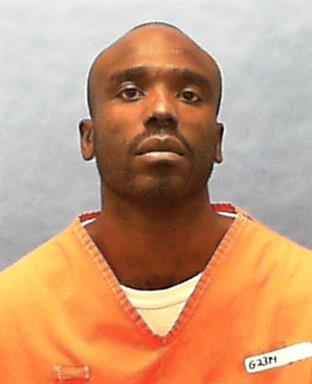
Daniel Tavares: A History of Murder Across Two States
Overview
Daniel Thomas Tavares Jr. is an American serial killer convicted of four murders committed in Massachusetts and Washington between 1988 and 2007. His victims included a young woman who was buried behind his former home, his own mother, and a married couple killed only months after his release from prison.
Tavares repeatedly changed his explanations for his crimes, at times blaming drugs, mental illness, other people, or the victims themselves. His criminal history also exposed serious failures in the justice system. Despite a violent institutional record and unresolved criminal charges, he was released from custody in Massachusetts in 2007. He then traveled across the country and committed two more murders.
Early Criminal History
Tavares was born in 1966 and grew up primarily in Massachusetts. His parents separated when he was young, and he was raised by his mother, Ann Tavares. He left school after the eighth grade and began accumulating arrests as a young adult.
His early offenses included burglary, assault, trespassing, marijuana possession, robbery, larceny and disorderly conduct. Probation and shorter periods of incarceration did not stop his criminal behavior. By the late 1980s, Tavares was involved with cocaine and had developed a reputation for volatility and violence.
The Murder of Gayle Botelho
Gayle Botelho, 32, disappeared from Fall River, Massachusetts, on or about October 27, 1988. She lived on Prospect Street across from a residence occupied by Tavares and his mother. According to the confession Tavares later gave investigators, he believed Botelho and several acquaintances had stolen cocaine from him.
Tavares said he invited Botelho into his bedroom by offering her cocaine. While she bent over, he attempted to shoot her, but the handgun malfunctioned. He then picked up a knife and stabbed her repeatedly. He moved her body into the backyard, removed her clothing and buried her face down beneath the ground.
Botelho remained missing for approximately 12 years. In 2000, while imprisoned for killing his mother, Tavares wrote to a prosecutor claiming that he knew where a murder victim had been buried. Investigators searched his former property and discovered Botelho’s skeletal remains in the backyard. They also found evidence of blood staining on flooring inside the bedroom.
Tavares initially accused other men of committing the murder. He later changed his story and claimed that he had witnessed the stabbing. In 2012, he admitted that he alone had killed Botelho. He supplied details that had not been publicly released, including the number of stab wounds, the removal of her clothing and the position in which she had been buried.
A Massachusetts jury convicted Tavares of first-degree murder in December 2015. He received another sentence of life imprisonment without the possibility of parole. The Massachusetts Supreme Judicial Court later affirmed the conviction.
The Murder of Ann Tavares
On July 10, 1991, Tavares attacked his 46-year-old mother, Ann Tavares, inside her home in Somerset, Massachusetts. He stabbed her 26 times with a carving knife. Richard Pires, a family friend who was present at the residence, was also stabbed but survived.
When police arrived, Tavares was behaving erratically and claimed that he was hearing voices. He later offered several conflicting explanations for the attack. At one point, he claimed that someone had placed LSD in a drink he consumed at a bar. He also made allegations involving abuse within the family, although his changing accounts complicated efforts to determine what he truly believed or intended at the time of the killing.
In June 1992, Tavares pleaded guilty to manslaughter rather than murder. He was sentenced to between 17 and 20 years in a Massachusetts prison. While incarcerated, he accumulated a serious disciplinary record that included assaults and threats against correctional employees and other prisoners.
Release from Massachusetts Custody
By 2007, Tavares had served more than 15 years for killing his mother. He was also facing charges connected to alleged assaults on prison staff. Despite his history of violence and the unresolved charges, he was released on his own recognizance in July 2007.
Tavares quickly left Massachusetts and traveled to Washington State, where he married a woman with whom he had corresponded while incarcerated. His departure violated the conditions under which authorities expected him to remain available for court proceedings.
Massachusetts officials attempted to have him returned, but the legal and administrative response failed to place him back in custody before he killed again. The circumstances of his release and interstate movement later generated intense criticism and litigation from the relatives of his next victims.
The Murders of Brian and Beverly Mauck
Brian and Beverly Mauck were a young married couple living near Tavares in Graham, Washington. Brian was 30 years old, and Beverly was 28. They had married in May 2006 and shared interests that included travel, motorcycles and spending time with family and friends.
On November 17, 2007, Tavares entered the Maucks’ residence and fatally shot both victims. Their bodies were discovered after a friend arrived to meet Brian for a planned hunting trip and became concerned by what he observed through a window.
Tavares claimed that the confrontation concerned $50 he believed Brian owed him for a tattoo. In a written account, Tavares alleged that Brian struck him during an argument and that he responded by shooting him. Tavares admitted that Beverly attempted to flee and that he shot her as well. His attorneys did not present the killings as lawful self-defense.
Investigators identified Tavares as a suspect and connected him to the crime scene. He was arrested only months after arriving in Washington. His prior conviction for killing his mother made the case especially alarming because he had been released from Massachusetts custody despite his known record of violence.
Tavares pleaded guilty to two counts of aggravated first-degree murder. On February 15, 2008, he was sentenced in Pierce County Superior Court to life in prison without the possibility of parole. The agreement spared him from a possible death sentence. Court records have also described his Washington punishment as two consecutive life sentences with an additional 15 years.
Confirmed Victims
- Gayle Botelho, 32 — Killed on or about October 27, 1988, in Fall River, Massachusetts. Tavares stabbed her in his bedroom and buried her body in the backyard of his former residence. Her remains were recovered approximately 12 years later.
- Ann Tavares, 46 — Killed on July 10, 1991, in Somerset, Massachusetts. Tavares stabbed his mother repeatedly inside her home. He later pleaded guilty to manslaughter.
- Brian Alan Mauck, 30 — Killed on November 17, 2007, at his home in Graham, Washington. Tavares fatally shot him following a dispute that Tavares claimed involved a $50 tattoo debt.
- Beverly Jean Mauck, 28 — Killed on November 17, 2007, at the Graham, Washington, home she shared with her husband. Tavares admitted shooting her as she attempted to escape.
Confessions and Changing Accounts
A recurring feature of the Tavares cases was his willingness to provide different and sometimes contradictory versions of events. Regarding Gayle Botelho, he first portrayed himself as someone who merely knew where the body was hidden. He accused other people of killing her, later claimed to have witnessed the murder and eventually admitted that he planned and carried out the killing alone.
His final confession described an attempted shooting followed by a knife attack. Tavares also admitted that he cleaned blood from his bedroom and concealed Botelho’s body behind the house. A former girlfriend told investigators that she had once seen him scrubbing what appeared to be a large amount of blood from the room. Tavares had reportedly dismissed it as a Halloween prank.
In the murder of his mother, Tavares offered explanations involving drugs, voices and alleged abuse. After killing the Maucks, he described the shootings as the result of an argument and perceived disrespect. Prosecutors and courts nevertheless treated the Washington murders as aggravated, intentional killings rather than an impulsive act of lawful protection.
Investigation and Convictions
The Botelho investigation demonstrated how Tavares attempted to use information about a hidden body as leverage. In September 2000, he offered to reveal the location of a murder victim in exchange for consideration regarding his sentence. Although he did not receive a reduction, his statements directed police to the property where Botelho had been buried.
Investigators continued developing the case for years. Tavares eventually made written admissions to several people, including a detective and former acquaintances. Prosecutors argued that the physical evidence, witness testimony, concealed details and multiple confessions established that he had murdered Botelho. The jury agreed and convicted him of first-degree murder on theories of deliberate premeditation and extreme atrocity or cruelty.
By the end of the legal proceedings, Tavares had been held responsible for four deaths. The manslaughter conviction for killing his mother resulted in a 17-to-20-year sentence. The murders of Brian and Beverly Mauck produced life sentences without parole in Washington. His later conviction for killing Gayle Botelho added a Massachusetts life sentence to be served after the Washington punishment.
Controversy Surrounding His Release
The Mauck murders became a major example of the consequences that can follow failures in communication and decision-making within the criminal justice system. Before his release, Tavares had reportedly assaulted and threatened people in prison and was awaiting prosecution for attacks on correctional staff. Nevertheless, he was permitted to leave custody.
After Tavares relocated to Washington, efforts to return him to Massachusetts did not result in his immediate detention. During the period in which he remained free, he settled near the Maucks and developed the dispute that ended in their deaths.
The Mauck family later pursued legal action against Massachusetts officials, arguing that government failures had allowed a known violent offender to remain free. Although the litigation did not ultimately impose liability on the officials involved, it highlighted the administrative breakdowns that preceded the killings.
Imprisonment and Legacy
Daniel Tavares is serving life imprisonment without the possibility of parole. His sentences ensure that he cannot legally return to society. His crimes span nearly two decades, beginning with the concealed murder of Gayle Botelho in 1988 and ending with the shootings of Brian and Beverly Mauck in 2007.
The case is remembered not only for the violence of the four murders but also for the long delay in obtaining justice for Botelho and the institutional failures preceding the Mauck killings. Tavares concealed one victim for years, killed a close family member, accumulated a violent prison record and then murdered two more people after being released.
His repeated efforts to manipulate investigators, redirect blame and reshape the narrative surrounding each crime did not prevent his eventual convictions. The discovery of physical evidence, testimony from witnesses, his own detailed admissions and the persistence of investigators ultimately established the full extent of his known killing history.