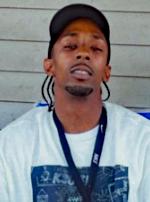
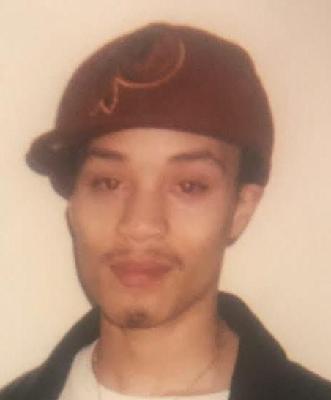
In the winter of 1982, the community of Grand Rapids, Michigan, was shaken by a chilling discovery that would unravel a connection to one of the nation's most prolific serial killers. On December 9, 1982, the frozen bodies of two young men were found in an icy field in Plainfield Township, just north of the city. They were identified as cousins Dennis Patrick Alt, a 24-year-old male, and Christopher Alan Schoenborn, 20. Both men were from prominent local farming families and were known to be hardworking and dedicated to their agricultural lifestyle. The discovery of their bodies, partially clothed and showing signs of abuse, launched an investigation into a crime that seemed incomprehensible to the tight-knit community.
Dennis and his cousin had been attending the annual horticulture convention at the Amway Grand Plaza Hotel in downtown Grand Rapids. They were last seen alive two nights before their bodies were found, having drinks at a popular hotel bar. It was in this seemingly innocuous setting that their paths crossed with Randy Steven Kraft, a computer consultant from California who was also staying at the hotel for a business seminar. Kraft was seen with both Alt and Schoenborn at the hotel bar the night they disappeared.
The investigation into the double homicide took a significant turn when authorities linked the case to Kraft, who was eventually arrested in California in 1983. The evidence connecting Kraft to the Grand Rapids murders was substantial. Alt's car keys were discovered in the hotel room Kraft had vacated. Further searches of Kraft's home in Long Beach, California, uncovered a bottle opener belonging to Alt and a jacket owned by Schoenborn. Most damning was a cryptic, coded list found in Kraft's car, which prosecutors dubbed the 'scorecard' of his victims. It contained an entry 'GR2,' which authorities believe was a chilling reference to his two victims from Grand Rapids.
Autopsies revealed that both Dennis Alt and Christopher Schoenborn had been drugged with diazepam, a tranquilizer, and then strangled. The presence of the drug in their systems, combined with the cause of death, mirrored the methods used in numerous other murders attributed to Kraft. While Kraft was indicted by a Kent County Grand Jury for the two murders, it was deemed unlikely he would ever face trial in Michigan. This was largely because he was already facing capital murder charges in California. In 1989, Randy Kraft, who became known as the 'Scorecard Killer,' was convicted of 16 murders in Orange County, California, and sentenced to death. Prosecutors in California presented evidence of the Michigan murders during the penalty phase of his trial to demonstrate the extent of his horrific crimes, which they believe could number over 60 across three states.