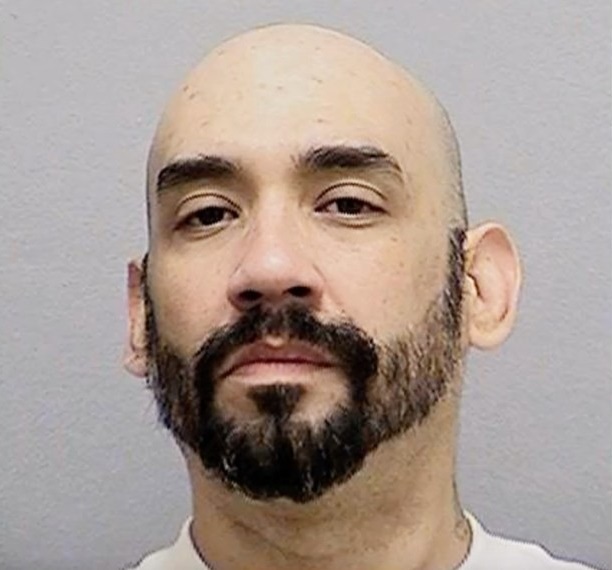
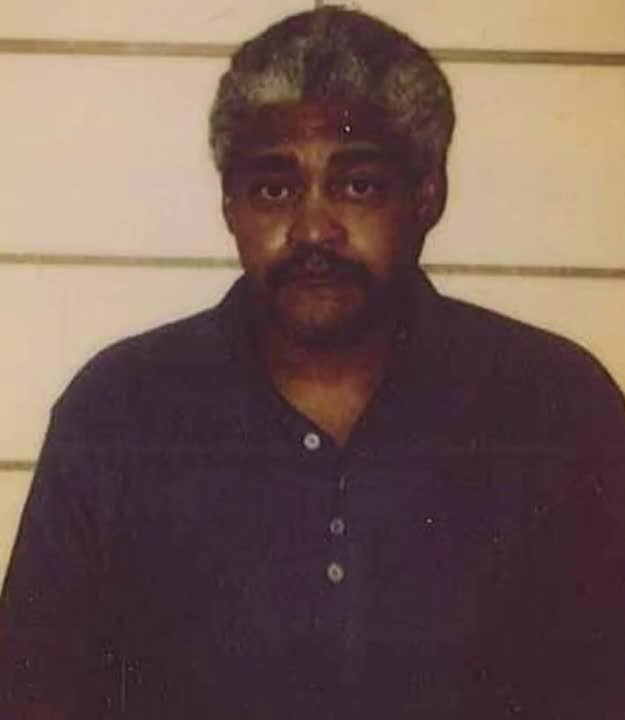
Alexander Hernandez: The San Fernando Valley Serial Killer
Overview
Alexander Hernandez, sometimes called the “Valley Killer,” is an American serial killer responsible for a series of apparently random shootings across the Los Angeles metropolitan area in 2014. His attacks occurred mainly in the San Fernando Valley and surrounding communities, including Sylmar, Pacoima, San Fernando, Northridge and Atwater Village. Hernandez usually approached people while driving and fired at them from or near his vehicle. Many of his victims were inside cars, traveling to work, returning home or preparing to attend church.
The shootings began on March 14, 2014, and continued intermittently for several months. They ended with an especially intense five-day period in August 2014. Five people were killed, seven others were wounded and four additional people were fired upon but escaped physical injury. Hernandez also shot several dogs, killing two of them. Investigators found no meaningful connection between Hernandez and most of the people he attacked. Prosecutors argued that he selected strangers, followed some of them in his vehicle and opened fire without warning.
The First Known Murder
The first confirmed killing took place during the early morning of March 14, 2014. Sergio Sanchez, a 35-year-old man, was driving home from work on the westbound 210 Freeway in Sylmar. Hernandez fired into Sanchez’s vehicle near the Roxford Street exit. The wounded driver managed to reach the offramp, where he was later found dead inside his car.
At the time, investigators did not know that the freeway shooting was the beginning of a larger series of attacks. The killing initially appeared to be an isolated incident, possibly connected to road rage. Hernandez was not publicly linked to Sanchez’s death until after his arrest for the later shootings.
Nonfatal Attacks During the Following Months
On April 27, 2014, Hernandez shot and wounded a man who was sitting in a parked vehicle outside an apartment building in Pacoima. The victim survived. On May 11, Hernandez attacked 19-year-old Julian Archer in Northridge. Archer had recently dropped off his girlfriend following a high-school prom celebration when Hernandez fired into his vehicle. Archer survived but suffered serious, permanent injuries that affected his ability to walk.
Another shooting occurred on June 15, 2014, on the 210 Freeway. A man was struck in the arm at approximately 6:00 in the morning. As with the earlier incidents, the attack appeared sudden and unprovoked. Investigators did not immediately recognize that these shootings had been committed by the same person.
The August 2014 Shooting Spree
The violence escalated dramatically between August 20 and August 24, 2014. During this period, Hernandez carried out multiple shootings with a shotgun. His targets included motorists, churchgoers, a man collecting recyclable materials and neighborhood animals.
On August 20, a 42-year-old woman was shot and wounded as she drove away from the Interstate 5 freeway in Atwater Village. That same day, Hernandez fired at three dogs near his Sylmar residence, killing two. The animal shootings became an important part of the investigation because witnesses and evidence helped police identify Hernandez as a person of interest.
Before dawn on August 21, Hernandez encountered Gilardo Morales, a 48-year-old man driving to work in Pacoima. Morales was inside his pickup truck when Hernandez shot him. The truck was discovered in the roadway, and Morales died from his injuries. On August 22, Hernandez fired at a couple traveling in a pickup truck in the West Hollywood area. Neither person was struck.
The Murders of August 24, 2014
On Sunday, August 24, Hernandez committed three murders within approximately one hour. The attacks occurred in San Fernando, Sylmar and Pacoima during the early morning. The victims were engaged in ordinary activities and apparently had no previous relationship with Hernandez.
At about 5:50 a.m., the Franco family was traveling to an early morning Mass. The family became concerned after noticing Hernandez driving erratically behind them. When their vehicle stopped in the 1400 block of Celis Street in San Fernando, Hernandez opened fire. Twenty-three-year-old Mariana Franco was killed. Her mother and father were also shot and seriously injured, while her siblings escaped without being struck.
Approximately 40 minutes later, Hernandez drove to the Sylmar Recreation Center. Michael Hendrix Planells, 29, was in the parking lot looking for cans and other recyclable materials. Hernandez shot Planells near 13109 Borden Avenue at about 6:35 a.m. Planells died at the scene.
Hernandez then traveled to the 12900 block of Filmore Street in Pacoima. Gloria Tovar, 59, was sitting in her parked car and waiting to take a friend to church. At approximately 6:45 a.m., Hernandez shot and killed her. Tovar was the third person murdered that morning and the fifth confirmed homicide victim in the complete series.
Confirmed Murder Victims
- Sergio Sanchez, 35 — Killed on March 14, 2014, near the Roxford Street offramp from the westbound 210 Freeway in Sylmar, California. Sanchez was driving home from work when Hernandez shot into his vehicle.
- Gilardo Morales, 48 — Killed on August 21, 2014, in Pacoima, California. Morales was driving to work in his pickup truck when he was shot.
- Mariana Franco, 23 — Killed on August 24, 2014, in the 1400 block of Celis Street in San Fernando, California. She was traveling to Mass with her parents and siblings when Hernandez fired into the family’s vehicle.
- Michael Hendrix Planells, 29 — Killed on August 24, 2014, in the parking lot of the Sylmar Recreation Center near 13109 Borden Avenue in Sylmar, California. He was collecting recyclable cans when he was shot.
- Gloria Tovar, 59 — Killed on August 24, 2014, in the 12900 block of Filmore Street in Pacoima, California. She was sitting in her car and waiting to drive a friend to church.
Arrest and Investigation
Police arrested Hernandez on August 24, 2014, only hours after the three fatal shootings. A Los Angeles Police Department SWAT team surrounded his Sylmar residence after he barricaded himself inside. The standoff lasted for approximately one hour before he was taken into custody. Investigators recovered a pistol-grip shotgun associated with the August attacks.
Hernandez was initially investigated in connection with the concentrated August shooting spree and the killing of the dogs. As detectives examined firearm evidence, vehicles, witness reports and surveillance recordings, they connected him to the earlier attacks. In March 2015, prosecutors added charges involving the murder of Sergio Sanchez and several nonfatal shootings committed between March and June 2014.
Evidence presented in court indicated that some victims had been followed before Hernandez fired. Prosecutors described the attacks as deliberate acts against randomly chosen people rather than impulsive confrontations or disputes. Because the victims generally did not know Hernandez, investigators had to link the cases through physical evidence and similarities in his movements and methods.
Trial, Conviction and Sentence
The criminal proceedings lasted for years. Questions about Hernandez’s mental competency delayed the case, and court disruptions associated with the COVID-19 pandemic caused additional postponements. Prosecutors originally had the option of seeking the death penalty, but the case ultimately proceeded without a request for capital punishment.
On May 25, 2022, a Los Angeles County jury found Hernandez guilty of five counts of first-degree murder and 11 counts of attempted murder. He was also convicted of eight counts of shooting at an occupied vehicle and several firearm-related offenses. Before the trial concluded, he entered pleas involving animal cruelty and other charges.
On August 18, 2022, Hernandez was sentenced to five consecutive terms of life imprisonment without the possibility of parole. The court also imposed an additional sentence of hundreds of years to life for the attempted murders, firearm offenses and related crimes. The punishment ensured that he would remain imprisoned permanently.
Impact of the Crimes
Hernandez’s attacks created widespread fear because they appeared random and occurred across several different communities. The victims were not participating in dangerous activities and had little opportunity to recognize or escape the threat. They were driving familiar routes, going to work, attending church or carrying out ordinary morning routines.
The case also demonstrated the difficulty of identifying a mobile attacker whose crimes were separated by time and location. For several months, individual incidents were investigated as unrelated shootings. Only after the rapid succession of attacks in August did authorities recognize the broader pattern and connect Hernandez to the complete series. The final convictions legally established his responsibility for five deaths and numerous attempted killings during one of the San Fernando Valley’s most disturbing modern crime sprees.