Michael Shane Lefthand: Murders in Fargo and Duluth
Overview
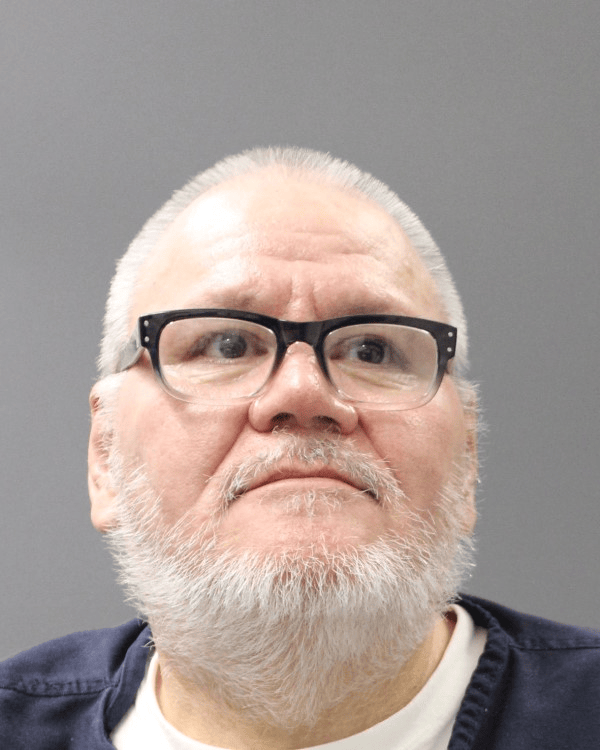
Michael Shane Lefthand is an American murderer whose known crimes stretched across Minnesota and North Dakota. He was convicted of killing three men in two separate incidents occurring nearly five years apart. The first known murder took place in Fargo, North Dakota, in November 1985. The other two victims were found murdered inside a Duluth, Minnesota, apartment in October 1990. Because the killings occurred at different times and in different states, Lefthand has frequently been classified as a serial killer.
Lefthand was born on July 27, 1960, in Duluth, Minnesota. His crimes became fully connected only after his arrest for the 1990 Duluth double homicide. While being held on the Minnesota charges, Lefthand spoke with investigators about the previously unsolved Fargo murder. His statements, later retraction, and the testimony of witnesses became central to a complicated series of trials and appeals.
Known Victims
- Harlan Christensen — November 12, 1985 — Fargo, North Dakota: Christensen was murdered in downtown Fargo after accompanying a group of men from the vicinity of a liquor store. Witnesses testified that Lefthand beat him to death. Christensen’s body was left near railroad tracks.
- John Ben Loons — October 5, 1990 — Duluth, Minnesota: Loons was found dead on the living-room floor of his apartment. He and Ronald St. Germain had suffered a violent physical assault involving beatings and sharp-force injuries.
- Ronald St. Germain — October 5, 1990 — Duluth, Minnesota: St. Germain was found beside Loons inside the Duluth apartment. Both men were pronounced dead after their bodies were discovered during the late afternoon.
The Murder of Harlan Christensen
On November 12, 1985, Harlan Christensen encountered a group of men in downtown Fargo. The group included Michael Lefthand, Charles Bush, Eugene Littlewind and Kenneth TeJohn. According to testimony later presented in court, Christensen accompanied the men to or from a local liquor store before they moved toward a more isolated area near railroad tracks and the Red River.
Witnesses testified that Lefthand launched a fatal assault on Christensen. The attack consisted of repeated beating and stomping. Christensen was left near the railroad tracks after the assault. The isolated location and the absence of an immediate confession or arrest allowed the case to remain unresolved for several years.
The investigation changed dramatically in October 1990, after Lefthand was arrested in Minnesota for the murders of John Loons and Ronald St. Germain. While jailed on the Minnesota charges, Lefthand asked to speak with law-enforcement officers about Christensen’s death. During a series of interviews, he waived his Miranda rights and discussed the Fargo killing.
On November 6, 1990, Lefthand signed a written confession stating that he had killed Christensen. Eleven days later, on November 17, he asked to speak with investigators again and withdrew his confession. North Dakota authorities nevertheless charged him with Christensen’s murder on November 28, 1990.
At trial, the prosecution did not rely solely on the disputed confession. Charles Bush, Eugene Littlewind and Kenneth TeJohn testified that they had been present and had seen Lefthand murder Christensen. The defense attempted to introduce information suggesting that Bush had claimed responsibility for the killing, but the proposed testimony came indirectly through other people and was excluded as hearsay.
A jury found Lefthand guilty of murder. He appealed, arguing that his statements to investigators should have been suppressed, that evidence implicating another man should have been admitted and that he had received ineffective legal representation. In 1994, the North Dakota Supreme Court rejected those arguments and affirmed the murder conviction.
The Duluth Double Murder
During the late afternoon of October 5, 1990, the bodies of John Ben Loons and Ronald St. Germain were discovered on the living-room floor of Loons’ apartment in Duluth. The condition of the apartment and the injuries suffered by the men indicated that both had been subjected to an exceptionally violent attack. Available accounts describe a combination of beatings, stabbing or slashing injuries and wounds to the victims’ throats.
The double homicide produced arrests within hours. Duluth police took Michael Lefthand and Charles Mark Bluebird into custody. A third man, Donald LeRoy Genung, was arrested several days later. Prosecutors maintained that Lefthand was the principal killer, while Bluebird and Genung were accused of assisting him.
Lefthand was initially charged in connection with both deaths and received a court-appointed public defender. His behavior after the arrest raised concerns about whether he was mentally competent to participate in the proceedings. He reportedly refused to leave his jail-cell area or speak with his attorney, prompting the defense to request a formal mental-health evaluation. A court-appointed psychiatrist eventually determined that Lefthand was competent to stand trial.
The handling of Lefthand’s statements soon created a major legal controversy. On October 24, 1990, Duluth police obtained a recorded statement from him without notifying his appointed attorney. The interview occurred while questions about his competency were still being addressed. Prosecutors were later allowed to use that statement during the trial. They were also permitted to question Lefthand about statements he had made during the court-ordered psychiatric examination.
A grand jury indicted Lefthand on charges arising from both murders. In June 1991, he was tried in St. Louis County District Court. On June 27, 1991, the jury convicted him of four counts of first-degree murder, reflecting alternative legal theories for the killings of Loons and St. Germain. He received a life sentence.
Reversal of the Minnesota Convictions
Lefthand appealed his Minnesota convictions to the Minnesota Supreme Court. His attorneys argued that the prosecution had improperly used statements obtained during a compulsory psychiatric examination and statements taken by police without notifying his appointed counsel.
On August 28, 1992, the Minnesota Supreme Court reversed Lefthand’s convictions and ordered a new trial. The court concluded that statements from the psychiatric examination had been used improperly. It also strongly criticized the decision to interrogate a formally accused and represented defendant without notifying his attorney.
The reversal was based on violations of criminal procedure and Lefthand’s constitutional protections rather than a finding that he was factually innocent. The court emphasized that the justice system must follow proper procedures even when prosecutors believe that the evidence establishes a defendant’s guilt. Lefthand continued to face prosecution for the murders after the original judgment was overturned.
Other Defendants in the Duluth Case
Charles Bluebird and Donald Genung were accused of assisting Lefthand in the murders of Loons and St. Germain. Prosecutors filed charges alleging that the men aided and abetted the killings. Their cases developed separately from Lefthand’s prosecution and involved disputes over the timing of grand-jury proceedings and whether the state had followed Minnesota’s procedural rules.
The existence of additional defendants did not change the prosecution’s central allegation that Lefthand personally carried out the fatal violence. Court records consistently identified him as the principal offender and described the charges against Bluebird and Genung as aiding-and-abetting offenses.
Criminal Pattern
The three murders attributed to Lefthand shared the use of direct and sustained physical violence. Harlan Christensen was beaten to death in Fargo, while John Loons and Ronald St. Germain were killed during a violent assault inside a Duluth apartment. The crimes did not involve an elaborate long-term scheme, but they demonstrated Lefthand’s willingness to inflict lethal injuries at close range.
The years separating the Fargo murder from the Duluth killings initially prevented authorities from recognizing a pattern. Christensen’s death remained unresolved until Lefthand’s arrest in the unrelated Minnesota case created an opportunity for investigators to question him. His confession, retraction and the testimony of people who had witnessed the Fargo attack ultimately connected him to the earlier crime.
Convictions and Legacy
Michael Shane Lefthand’s criminal proceedings became notable not only because three men were killed, but also because the cases produced important appellate rulings concerning police interrogations, court-ordered psychiatric examinations and a defendant’s right to counsel. The Minnesota Supreme Court’s decision established that investigators should not question a formally accused person who is represented by an attorney without first notifying counsel.
In North Dakota, Lefthand’s conviction for murdering Harlan Christensen survived appellate review. The state supreme court determined that his statements about that crime were admissible because the North Dakota investigation involved an offense separate from the Minnesota charges. The court also found that the eyewitness testimony provided strong evidence of his responsibility for Christensen’s death.
Lefthand’s known record consists of three victims: one man murdered in Fargo in 1985 and two men murdered together in Duluth in 1990. The separate incidents, the passage of time between them and the interstate nature of the crimes are the primary reasons he is described as a serial killer. His cases remain examples of how an arrest in one jurisdiction can revive an older investigation elsewhere, while also demonstrating how failures to observe constitutional and procedural safeguards can overturn a murder conviction and require the legal process to begin again.