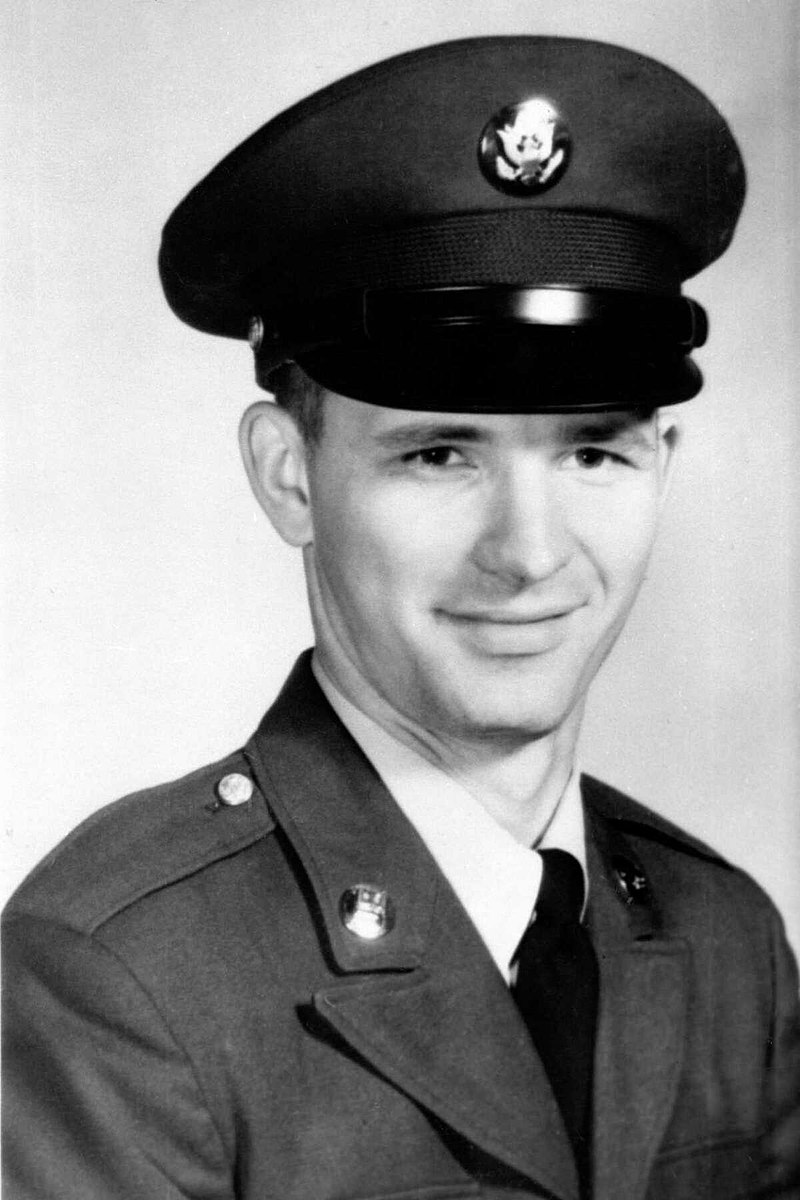
Jonathan Mills: The Guilford, Connecticut Killer
Background
Jonathan Mills was born on July 22, 1973, and lived in the shoreline community of Guilford, Connecticut. By his late twenties, Mills had accumulated an extensive criminal history involving property crimes, theft and narcotics offenses. Court records indicated that he was arrested approximately twenty-three times between 1990 and 1999. He was familiar to local police officers and had repeatedly passed through Connecticut’s criminal justice system before his offenses escalated to murder.
Mills was heavily addicted to cocaine and heroin, and much of his criminal conduct was connected to his attempts to obtain money or property to support that addiction. During the final months of 2000, his behavior became increasingly violent. He murdered four people in two separate incidents in Guilford: a young woman he knew and, more than two months later, his aunt and her two small children. Although the final three victims were killed during one attack, the earlier murder of Mindy Leigh made Mills a multiple murderer whose crimes occurred on separate occasions.
The Murder of Mindy Leigh
Mindy Elizabeth Leigh was a 20-year-old woman who had moved to Connecticut from Texas and was living in the Guilford area. She knew Mills socially, and early reports described the two as having dated or maintained an intimate relationship. On October 11, 2000, Leigh was with Mills near the Guilford Fairgrounds when an encounter between them turned violent.
Mills later admitted that he strangled Leigh following a sexual encounter and an argument. After killing her, he concealed her remains near the fairgrounds. Leigh was reported missing, but investigators initially had no body and no complete explanation for her disappearance. For more than two months, her family was left without answers while Mills continued living in the area.
The truth about Leigh’s disappearance emerged only after Mills was taken into custody for an unrelated triple homicide in December. While confessing to those killings, he told detectives that he had also killed Leigh and described where he had hidden her body. Officers went to the location he identified and recovered her remains, confirming that the missing-person investigation was a homicide case.
The Drug-Fueled Events of December 26, 2000
On December 26, 2000, Mills began an extended drug binge involving alcohol, cocaine and heroin. He traveled between Guilford and New Haven with several acquaintances, repeatedly purchasing and consuming drugs. By late that evening, he had little or no money but remained determined to obtain more narcotics.
Mills decided to take money from his aunt, 43-year-old Katherine “Kitty” Kleinkauf. He knew her home, had previously used her bank card and was familiar with her personal identification number. At approximately 1:00 a.m. on December 27, Mills entered Kleinkauf’s home in Guilford intending to obtain her ATM card and money. There were no signs of forced entry, indicating that Mills was able to enter because of his family connection or familiarity with the residence.
The Murder of Katherine Kleinkauf
Katherine Kleinkauf awoke and discovered Mills inside her home. When she confronted him, he attacked her with a knife. Evidence presented during the prosecution showed that Kleinkauf suffered dozens of stab wounds. Mills later admitted that he killed her so he could take her bank card, vehicle and money to continue purchasing drugs.
The assault was prolonged and extremely violent. Kleinkauf was stabbed approximately forty-six times, demonstrating the extraordinary force used during the attack. After she had been mortally wounded, Mills turned his attention to her children, who had awakened because of the disturbance inside the house.
The Murders of Rachel Crum and Kyle Redway
Six-year-old Rachel Crum and four-year-old Kyle Redway were Kleinkauf’s children. Both were inside the home when their mother was attacked. According to Mills’ confession, the children became aware of what was happening, and he decided to kill them because they could identify him.
Mills stabbed each child several times. Prosecutors reported that Rachel and Kyle were each stabbed approximately six times. Their ages and complete defenselessness made the killings particularly devastating to the Guilford community. The children were not accidental victims of the attack on their mother; Mills deliberately killed them after deciding that they were witnesses who could expose him.
After the murders, Mills took Kleinkauf’s ATM card and Ford Taurus. He contacted an acquaintance, picked her up in the stolen vehicle and traveled to an ATM, where he withdrew money from Kleinkauf’s account. He then used the stolen money to purchase large quantities of crack cocaine. During one drug transaction, a dealer reportedly noticed blood on some of the money Mills used.
Discovery of the Victims
The bodies of Katherine Kleinkauf, Rachel Crum and Kyle Redway were discovered inside their Guilford home around noon on December 27, 2000. Investigators found no evidence of forced entry, and the contents of a purse had been scattered around the scene. Kleinkauf’s vehicle was missing, directing police attention toward someone who knew the family and could enter the home without immediately causing suspicion.
Detectives quickly began investigating Mills because he was Kleinkauf’s nephew, had an extensive criminal record and was known to steal in order to support his drug addiction. Witnesses told police that Mills had been without money shortly before the murders but suddenly possessed Kleinkauf’s car, ATM card and hundreds of dollars afterward. Investigators also learned that he had told an acquaintance he intended to obtain money from his aunt.
Capture and Confession
During the night of December 27 and the early morning of December 28, Mills remained on a continuous drug binge. Shortly after midnight, he returned to Guilford with several people because he hoped to obtain money or property to pay a drug debt. Police were already watching locations connected to him.
When officers approached, Mills attempted to hide near the bottom of a hill. After he was discovered, he raised his hands and surrendered. Before detectives had conducted a lengthy interrogation, Mills indicated that he wanted to tell them what he had done. At the Guilford police station, he waived his rights and gave a detailed confession to the murders of Kleinkauf and her children.
Mills admitted that his purpose in entering the home had been to obtain money for drugs. He described attacking Kleinkauf, killing the children and using the stolen ATM card and vehicle after the murders. His statements were supported by witness accounts, banking activity, the missing automobile and other evidence gathered during the investigation.
After completing his statement about the triple homicide, Mills told detectives that he could also explain the disappearance of Mindy Leigh. He confessed to strangling her in October and directed investigators to the place where he had concealed her body. The recovery of Leigh’s remains connected Mills to a fourth murder and revealed that the December attack was not his first killing.
Confirmed Victims
- Mindy Elizabeth Leigh — Age 20. Murdered on October 11, 2000, near the Guilford Fairgrounds in Guilford, Connecticut. Mills strangled Leigh and concealed her body. Her remains were recovered on December 28, 2000, after Mills confessed and directed police to the location.
- Katherine “Kitty” Kleinkauf — Age 43. Murdered during the early morning hours of December 27, 2000, inside her home in Guilford, Connecticut. Mills stabbed her repeatedly before stealing her ATM card and vehicle.
- Rachel Crum — Age 6. Murdered on December 27, 2000, inside the Kleinkauf residence in Guilford, Connecticut. Mills stabbed the child after she awakened during the attack on her mother.
- Kyle Redway — Age 4. Murdered on December 27, 2000, inside the Kleinkauf residence in Guilford, Connecticut. Mills killed him because the child had witnessed or become aware of the attack.
Trial and Convictions
Mills was prosecuted on numerous charges arising from the four murders, including murder, capital felony murder, burglary, robbery and offenses connected to the theft and use of Kleinkauf’s bank card and automobile. His defense attempted to suppress his statements by arguing that his confession and the seizure of evidence had occurred under improper circumstances. The court rejected those arguments, finding that Mills had been advised of his rights and had voluntarily chosen to confess.
At trial, prosecutors presented Mills’ statements along with physical evidence and testimony describing his movements before and after the murders. Witnesses established that he had been searching for money to buy drugs before entering Kleinkauf’s home and that he possessed her car, bank card and cash immediately afterward. The information Mills provided about Mindy Leigh also led police directly to her remains.
In 2004, Mills was convicted on all counts submitted to the jury in connection with the murders. Prosecutors sought the death penalty for the killings of Kleinkauf and her children. During the penalty phase, jurors considered the brutality of the crimes as well as evidence concerning Mills’ addiction, personal history and mental condition.
Sentencing
In January 2005, the jury declined to impose the death penalty. Mills was sentenced to life imprisonment without the possibility of release. The punishment ensured that he would never return to the community where he had murdered four people within a period of less than three months.
The sentence brought a legal conclusion to the case, but it could not undo the damage inflicted on the victims’ families. Mindy Leigh’s relatives had endured months of uncertainty before learning that she had been murdered. Kleinkauf’s surviving family members lost a mother and two children in the same household during a single night of violence.
Later Cooperation in the William Devin Howell Investigation
Years after his conviction, Mills became involved in another major Connecticut serial-murder investigation. While incarcerated, he shared a cell with William Devin Howell, who was suspected of killing several people whose remains were found behind a shopping center in New Britain.
Mills told authorities that Howell had discussed the killings and provided details about his victims. Prosecutors later identified Mills as an important potential witness in proceedings against Howell. His cooperation did not reduce the seriousness of his own crimes or erase his sentence, but the information he supplied became part of the effort to establish the full extent of Howell’s offenses.
Legacy of the Case
Jonathan Mills’ crimes combined an earlier intimate-partner killing with a later family massacre driven by robbery and drug addiction. The murder of Mindy Leigh demonstrated that he was capable of killing well before the attack on his relatives. His decision to conceal her body allowed him to remain free until the December murders brought police attention directly upon him.
The Kleinkauf home invasion showed how rapidly a plan to steal money could develop into a calculated effort to eliminate witnesses. Mills did not stop after attacking Katherine Kleinkauf. He deliberately killed two very young children and then continued his drug binge using property and money taken from the family.
All four murders were solved through a combination of witness statements, financial evidence, police investigation and Mills’ own confessions. His directions led to Mindy Leigh’s body, while his detailed account of the triple homicide corresponded with evidence discovered inside the Kleinkauf residence. Mills remains responsible for four confirmed victims and is serving a sentence of life imprisonment without the possibility of release.