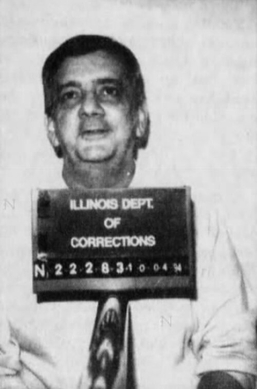
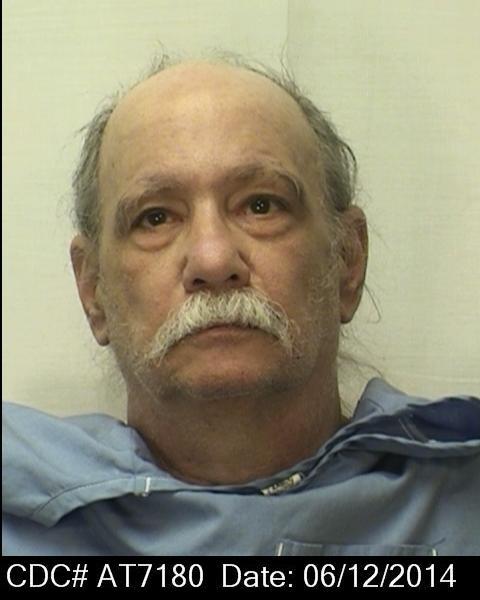
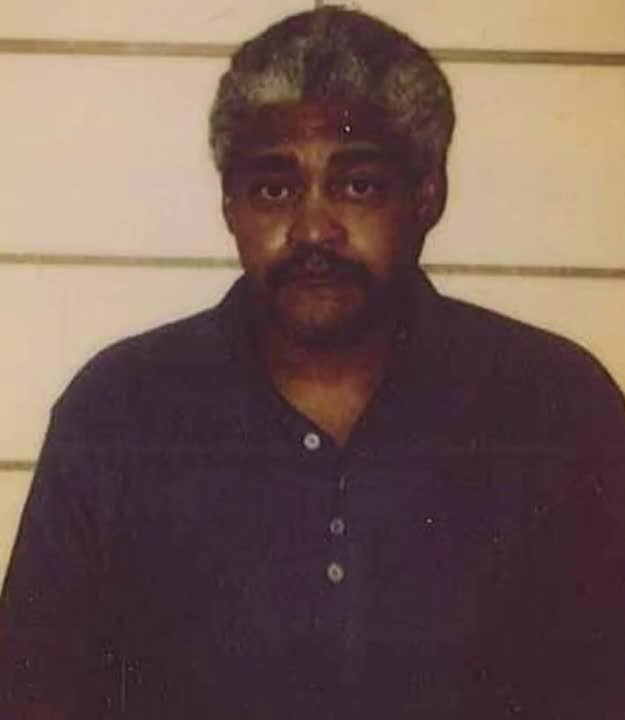
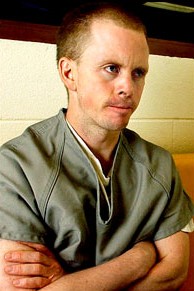
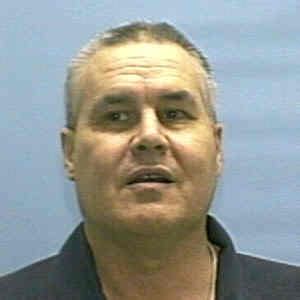
Tony Alvin Ables: Serial Killer of the Tampa Bay Area
Overview
Tony Alvin Ables is an American serial killer and convicted murderer whose violent crimes spanned two decades in Florida. Born on December 28, 1954, in St. Petersburg, Florida, Ables developed a long criminal history that began when he was still a teenager. Authorities have linked him to at least four murders between 1970 and 1990, although he was officially convicted in only two of those cases. DNA evidence later connected him to additional killings that had remained unsolved for years.
Ables is considered one of Florida's lesser-known serial killers. His victims ranged widely in age and background, including an elderly widow, romantic partners, and a potential robbery victim. Several of his crimes involved extreme violence, sexual assault, or burglary, indicating that Ables was an opportunistic killer. Investigators have stated that it is possible he may have been responsible for additional unsolved crimes.
Early Life and First Murder
Ables grew up in a troubled and abusive household in St. Petersburg. According to court testimony, his father was abusive and the family experienced significant instability. By his early teenage years, Ables had already developed a pattern of criminal behavior.
In 1970, at approximately 15 years old, Ables participated in a robbery in St. Petersburg that resulted in the death of a man. The victim, Thornton Groce, was in their 60s. Although this victim's name does not appear widely in publicly available records, newspaper clippings from the Tampa Bay Times listed Groce as either 63 or 68. Groce was pronounced dead at the Bayfront Medical Center after being discovered with a large caliber gunshot wound to the heart in an alley west of 22nd Street near 12th Avenue S in St. Petersburg, Florida. The police did not rule out robbery as a motive at the time, but noted that the man still had "several coins in his pockets". Ables was arrested and later pleaded guilty to first-degree murder in March 1971. He received a life sentence but was released on parole in 1983 after serving approximately twelve years.
The Murder of Adeline McLaughlin
Only a few months after his release from prison, Ables committed another homicide.
On June 25, 1983, he broke into the apartment of Adeline McLaughlin, an 83-year-old widow living in St. Petersburg, Florida. Investigators determined that he entered through a window. During the attack, McLaughlin was suffocated with a pillow. Her apartment was then burglarized.
At the time, the murder shocked residents of the retirement community where she lived. McLaughlin was described by neighbors as a quiet and friendly elderly woman. The case remained unsolved for more than two decades.
In 2006, advances in DNA testing linked Ables to the crime. Although authorities officially connected him to McLaughlin's murder, he was never brought to trial for the case.
The Murder of Deborah Kisor
On February 14, 1987, another woman connected to Ables became a homicide victim.
Deborah D. Kisor, age 31, was Ables' girlfriend at the time of her death. She was last seen on February 13, 1987, making a telephone call from a public payphone near an apartment complex in St. Petersburg.
The following day, her body was discovered near Roser Park Bridge. Investigators reported that she had been sexually assaulted and murdered. When found, she was wearing only a blouse and jacket, while her jeans were located nearby. Bruises were visible on her body.
Despite being romantically involved with Kisor, Ables was not charged at the time. The case remained unsolved until 2006, when DNA evidence matched Ables to biological evidence collected during the investigation. Law enforcement officials considered the case solved, although he was never prosecuted for her murder.
The Murder of Marlene Burns
The crime that ultimately led to Ables' permanent imprisonment occurred in 1990.
On June 4, 1990, Ables became involved in a violent argument with his girlfriend and roommate, 48-year-old Marlene Burns. Witnesses reported hearing a domestic disturbance inside their apartment.
According to investigators, Burns was pushed down a flight of stairs and then severely beaten and kicked. Witnesses observed Ables leaving the scene while wiping blood from his hands. Police had already been called to respond to the disturbance and arrived shortly afterward.
Burns died from the injuries inflicted during the attack. Ables was arrested at the scene and charged with first-degree murder.
In January 1992, a jury convicted him of Burns' murder. Although jurors recommended a death sentence, the trial judge instead imposed a life sentence, citing evidence regarding Ables' mental health and troubled upbringing.
DNA Evidence and Additional Investigations
For many years, the murders of Adeline McLaughlin and Deborah Kisor remained unsolved. In 2006, homicide detectives submitted DNA evidence for modern testing. The results identified Tony Alvin Ables as the source of biological evidence connected to both victims.
The discoveries strengthened investigators' belief that Ables had been responsible for a series of violent crimes across the Tampa Bay area. Law enforcement officials publicly stated that they believed there was a possibility he could be connected to additional unsolved murders.
Ables remains incarcerated and continues to serve a life sentence in Florida.
Known and Suspected Victims
- Thornton Groce – Killed during a robbery in St. Petersburg, Florida, on December 11, 1970. Ables pleaded guilty to first-degree murder in March 1971. Thornton Groce was in his 60s
- Adeline McLaughlin (Age 83) – Murdered on June 25, 1983, in St. Petersburg, Florida. She was suffocated after Ables broke into her apartment. DNA evidence linked Ables to the crime in 2006.
- Deborah D. Kisor (Age 31) – Murdered on February 14, 1987, near Roser Park Bridge in St. Petersburg, Florida. She was sexually assaulted and killed. DNA evidence connected Ables to the case in 2006.
- Marlene Burns (Age 48) – Murdered on June 4, 1990, in St. Petersburg, Florida. She died after being pushed down stairs and brutally beaten by Ables. He was convicted of her murder in January 1992.
Legacy
Tony Alvin Ables is remembered as a violent offender whose crimes affected victims from vastly different walks of life. His known victims included an elderly widow, intimate partners, and a robbery victim. Advances in forensic DNA technology decades later helped solve cases that had remained mysteries for years, providing investigators with answers and linking Ables to multiple killings beyond those for which he was convicted. His case remains notable as an example of how modern forensic science can connect long-imprisoned offenders to previously unsolved murders.