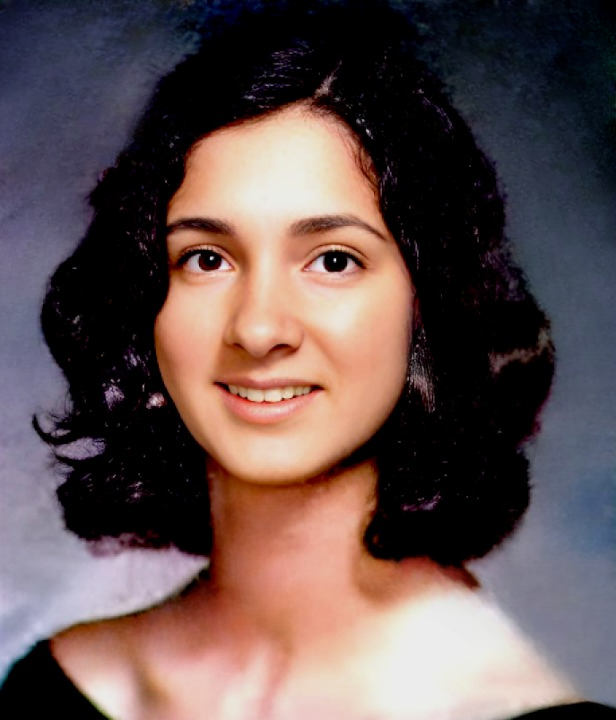
Deborah Kisor, a 31-year-old mental patient, met a tragic and violent end on February 14, 1987, in St. Petersburg, Florida, rather than Monterey, CA, as the incident did not occur there. Her body was discovered by children playing in the woods near Roser Park. The investigation revealed that Kisor had been assaulted and strangled, leaving behind a gruesome and unsettling crime scene.
The case of Deborah Kisor's murder remained unsolved for many years, despite the efforts of St. Petersburg detectives. In the late 1990s, DNA samples were submitted for testing, but at that time, the technology was not advanced enough to yield any significant leads. However, with the advancement in DNA analysis, the case took a significant turn.
In 2006, St. Petersburg homicide detectives resubmitted DNA samples from various unsolved homicides, including Kisor's case, to the Florida Department of Law Enforcement. This time, the DNA evidence provided a crucial breakthrough. The DNA recovered from Kisor's body matched with Tony Ables, a 51-year-old man from St. Petersburg who was already serving a life sentence for other murders.
Tony Ables had a disturbing history of violence. He was first convicted of murder in 1971 at the age of 16 and was sentenced to life in prison. However, he was released 12 years later and began working in construction. Just five months after his release in 1983, Ables was linked to another brutal crime – the murder of Adeline McLaughlin, an 84-year-old widow who was sexually assaulted and smothered with a pillow in her apartment at the Ten Eyck Hotel.
Ables' violent streak continued, and in 1990, he was accused of beating his 48-year-old girlfriend, Marlene Burns, to death. He was sentenced to life in prison again in 1992. The DNA match from Kisor's case added another layer to the already grim profile of Tony Ables, who police suspect may have been responsible for even more unsolved homicides.
Major Michael Puetz of the St. Petersburg Police Department noted that there was a high probability that Ables had committed more murders beyond those already linked to him. Despite his history and the new evidence, Ables did not cooperate with the police during their investigation. His father, Clyde Ables, expressed sadness over the latest accusations, acknowledging the strain on both the victims' families and his own.
The arrest and identification of Tony Ables as the suspect in Deborah Kisor's murder brought a measure of closure to her family and the community, highlighting the critical role that advancements in DNA technology play in solving cold cases. However, the case involving Deborah Kisor was complicated by the fact that she was involved with Ables, which led the State Attorney's Office to decide not to prosecute this particular murder.