The Jacksonville LGBTQ Murders
Overview
The name “Jacksonville LGBTQ Murderer” has been used informally to describe fears surrounding a series of killings involving Black transgender women and another member of Jacksonville’s LGBTQ community in 2018. The violence created widespread alarm because several victims were killed within a relatively brief period and appeared to belong to the same vulnerable community. Activists questioned whether one person might be deliberately targeting LGBTQ residents, particularly Black transgender women.
Despite those fears, the Jacksonville Sheriff’s Office did not confirm that the homicides were connected or that an unidentified serial killer was responsible. Later developments established that at least two of the victims were killed by different identified offenders under separate circumstances. The available evidence therefore does not support describing a single individual as the confirmed “Jacksonville LGBTQ Murderer.” The title is more accurately understood as a reference to the public concern generated by several highly publicized killings.
The Beginning of the Violence
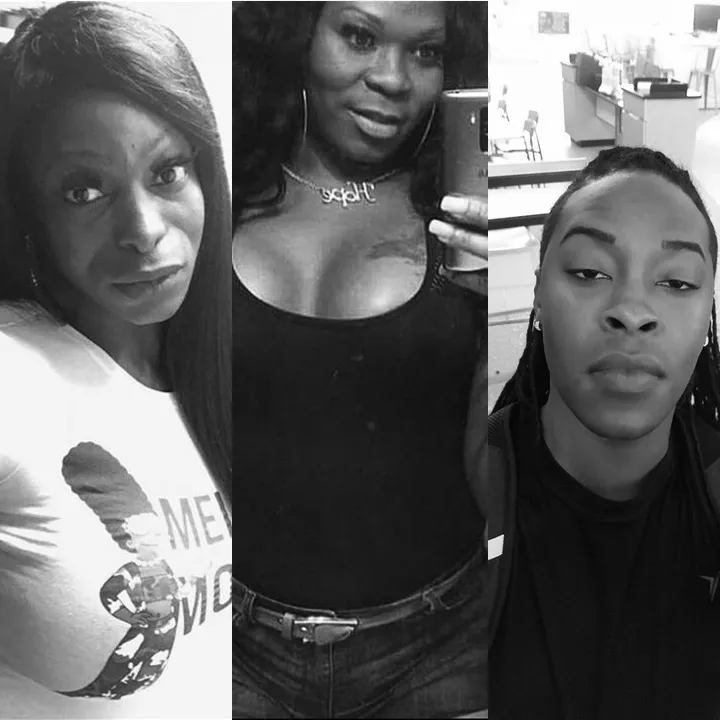
The first homicide associated with the feared pattern occurred on February 4, 2018. Celine Walker, also identified in court records as Erica or Erika Walker, was found dead inside a room at the Extended Stay America hotel on Skinner Lake Drive near Jacksonville’s St. Johns Town Center. Walker, a 36-year-old transgender woman, had been shot multiple times.
The initial public identification of Walker under a former legal name caused criticism from transgender advocates, who argued that misgendering victims could prevent friends and acquaintances from recognizing them and providing investigators with useful information. Walker’s death became an early focal point for discussions about how law-enforcement agencies communicated with transgender communities during homicide investigations.
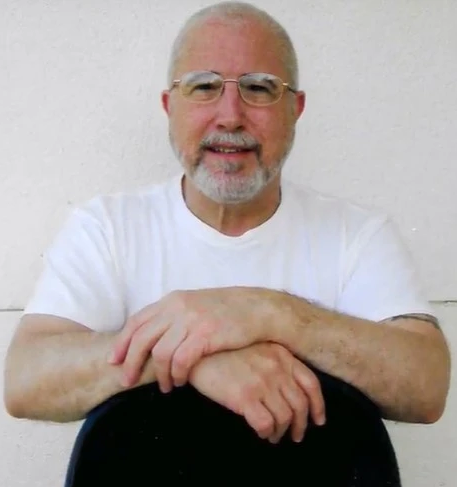
Investigators eventually identified Sean Bernard Phoenix as Walker’s killer. Authorities said Phoenix and Walker had previously known each other and that the shooting occurred during an argument. Phoenix admitted shooting Walker and disposing of the weapon. In October 2020, he pleaded guilty to second-degree murder and received a sentence of 35 years in Florida State Prison.
The Killing of Antash’a English
On June 1, 2018, 38-year-old Antash’a Devine Sherrington English was found suffering from a gunshot wound between two abandoned houses in the 1500 block of Ella Street in northwest Jacksonville. She was transported to a hospital but died from her injuries that day.
English was remembered by friends as a bold and outgoing transgender woman who performed in Jacksonville’s nightclub community. Her death intensified concern because it followed Walker’s killing by only a few months. Reports indicated that English was able to provide limited information before her death, including a description of a possible suspect and vehicle. Her killing remained publicly associated with the broader fear that transgender women were being targeted.
The Murder of Cathalina Christina James
Cathalina Christina James, a 24-year-old transgender woman, was shot and killed on June 24, 2018. She was found inside a room at the Quality Inn and Suites in the 8300 block of Dix Ellis Trail in Jacksonville’s Baymeadows area.
James was originally from South Carolina and was described by relatives as energetic, outspoken and devoted to the people she loved. Her death was the third killing of a Black transgender woman in Jacksonville during a period of less than five months. The concentration of violence produced demonstrations, vigils and demands for greater attention from city officials.
Investigators released surveillance images of a light-colored Buick believed to have been connected to the crime. They also produced a composite sketch of a man sought for questioning. Authorities nevertheless stated that they had not discovered evidence proving that James’s killing was committed by the same person responsible for either of the earlier homicides.
The Death of Jessie Sumlar IV
Jessie Sumlar IV, a 30-year-old gay man and hairstylist who was also known in Jacksonville’s performance community, was discovered dead inside his apartment at the Water’s Edge Apartments on Broward Road on July 19, 2018. Investigators believed that he had been killed approximately two or three days before his body was found.
Sumlar had been stabbed. Blood was found throughout the apartment, and several of his possessions were missing, including his wallet, vehicle and shoes. His automobile was later recovered after it had been burned. Although friends initially feared that Sumlar had been targeted because of his sexual orientation or community connections, investigators developed evidence pointing to robbery as a central element of the crime.
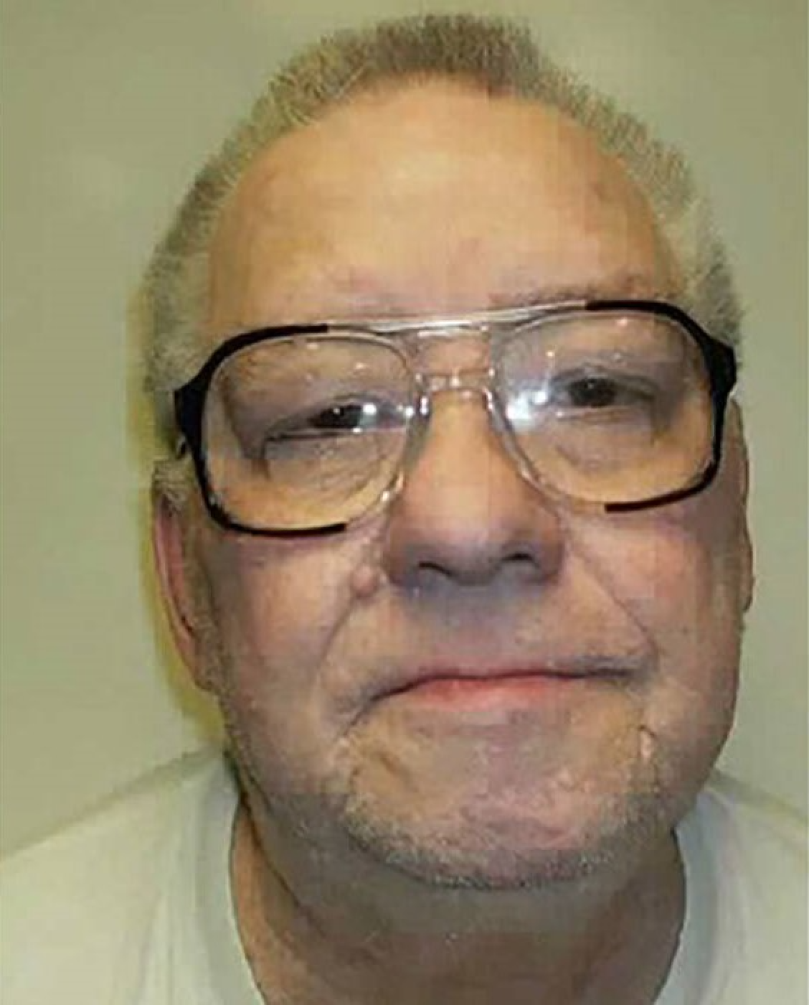
Omar Antonio Lewis was arrested in August 2018 after investigators connected him to the scene through physical and forensic evidence. Lewis was accused of stealing Sumlar’s vehicle and financial cards after the killing. He pleaded guilty to second-degree murder on October 17, 2024, and was sentenced to life in prison on November 6, 2024. His conviction demonstrated that Sumlar’s murder was committed by an identified offender who was not responsible for the other known killings in the suspected series.
Victims Associated With the Jacksonville LGBTQ Murder Fears
- Celine Walker, 36 — February 4, 2018: Shot multiple times inside a room at the Extended Stay America hotel on Skinner Lake Drive near the St. Johns Town Center in Jacksonville, Florida. Sean Bernard Phoenix later pleaded guilty to her murder and received a 35-year prison sentence.
- Antash’a Devine Sherrington English, 38 — June 1, 2018: Found suffering from a gunshot wound between abandoned houses in the 1500 block of Ella Street in northwest Jacksonville. She died at a hospital later that day.
- Cathalina Christina James, 24 — June 24, 2018: Shot and killed inside a room at the Quality Inn and Suites in the 8300 block of Dix Ellis Trail in Jacksonville’s Baymeadows area.
- Jessie Sumlar IV, 30 — approximately July 16–17, 2018: Stabbed inside his apartment at the Water’s Edge Apartments on Broward Road in north Jacksonville. His body was discovered on July 19. Omar Antonio Lewis later pleaded guilty to the murder and was sentenced to life in prison.
Community Response
The killings generated grief and anger throughout Jacksonville. LGBTQ organizations held vigils, rallies and public meetings demanding improved communication from police, greater protection for transgender residents and more respectful treatment of victims. Advocates were particularly concerned that the use of former legal names and incorrect gender descriptions in early police statements could interfere with investigations by making it difficult for members of the victims’ communities to recognize them.
Equality Florida and local transgender activists publicly raised the possibility that a serial offender could be operating in the region. Their concern was based on the number of victims, the short interval between the killings and the fact that three of the victims were Black transgender women. Community members argued that even without proof of a connection, the concentration of violence required an urgent and coordinated response.
Were the Murders Connected?
Law-enforcement officials repeatedly stated that they had not found evidence connecting the killings. The later identification of separate offenders in the deaths of Walker and Sumlar substantially weakened the theory that all four victims had been murdered by one person.
Phoenix’s guilty plea established his responsibility for Walker’s death, while Lewis’s guilty plea established that he killed Sumlar. The crimes occurred at different locations, involved different methods and had separate evidentiary histories. Walker was shot in a hotel during an argument with someone she knew, while Sumlar was stabbed in his apartment during a crime involving the theft of his property.
The killings of English and James continued to receive attention as unresolved or incompletely explained homicides. However, no publicly established evidence has demonstrated that the same offender killed both women. There has also been no confirmed evidence linking their deaths to the murders of Walker or Sumlar.
Classification and Legacy
The Jacksonville LGBTQ cases illustrate the difference between a feared serial-killer pattern and a series of unrelated crimes affecting the same community. The clustering of several murders can reasonably produce public alarm, especially when the victims share characteristics and belong to a population that has historically faced elevated levels of violence and discrimination. However, a serial-murder classification requires evidence that one offender committed multiple killings in separate events.
No individual has been officially identified as the Jacksonville LGBTQ serial killer. At least two separate men were convicted in connection with two of the deaths, and authorities did not confirm that the remaining cases were related. Referring to a single “Jacksonville LGBTQ Murderer” without this distinction could incorrectly imply that police proved the existence of one perpetrator.
The lasting significance of the cases lies in the victims’ lives, the continuing demand for answers in unresolved investigations and the reforms sought by Jacksonville’s LGBTQ community. Advocates emphasized that respectful identification, cooperation with marginalized communities and careful investigation are essential when violence affects people who may already distrust law enforcement or fear public exposure.