Robert Wirth: Milwaukee Serial Killer
Overview
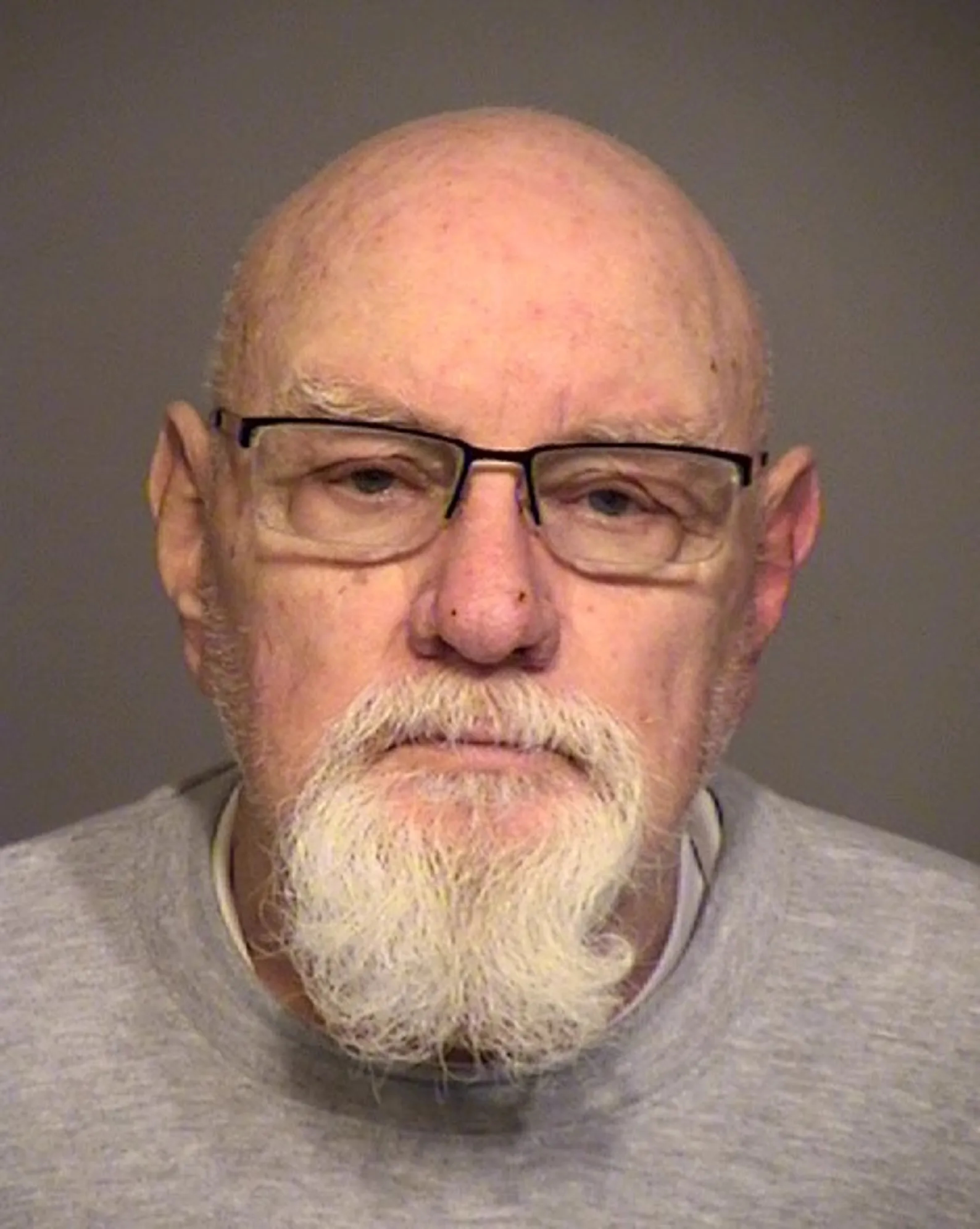
Robert J. Wirth was a convicted serial killer and burglar whose crimes centered on Milwaukee County, Wisconsin, in the late 1980s. He was born in 1960 and was about 27 years old when the confirmed murder series began in January 1988. Wirth targeted people inside private homes, especially older residents, and his crimes were closely tied to burglary. The confirmed murders for which he was convicted involved four victims: Ruth Bresnahan, Louis Buchta, Lillian Buchta, and Eva Holman. The attacks were sudden, violent, and committed inside the victims’ homes, places where they should have been safest.
Some crime references describe Wirth as being suspected in as many as six to eight killings between 1987 and 1988, but the clearly documented convictions involved four murders and five burglaries. Because not all suspected victims are publicly verified by full name and exact date, the victim list below includes only the confirmed victims whose names and death dates could be verified through case records and supporting death information.
Confirmed Victims
- Ruth J. Bresnahan — Died January 4, 1988, in Milwaukee County, Wisconsin. She was 83 years old. Bresnahan was murdered inside her home during a burglary. Her residence had been ransacked, and money was missing from a small purse she kept pinned to her undergarments. She died from asphyxia caused by crushing injuries to her neck. Investigators found a blood-stained stuffed toy donkey at the scene; the blood did not belong to Bresnahan and later became a key piece of evidence against Wirth.
- Louis J. Buchta — Killed January 11, 1988, in Milwaukee County, Wisconsin. He was 76 years old. Louis and his wife Lillian were killed in their home during a burglary. Their house was ransacked. Louis was found in the basement and had been killed by repeated blows to the head. His wallet was missing.
- Lillian Buchta — Killed January 11, 1988, in Milwaukee County, Wisconsin. She was 75 years old. Lillian was killed in the same attack that took the life of her husband, Louis Buchta. She was strangled to death inside the couple’s home. The burglary pattern, the ransacked rooms, and witness sightings near the residence helped connect Wirth to the crime.
- Eva Holman — Killed January 21, 1988, in Milwaukee County, Wisconsin. She was murdered inside her home during a burglary. Her residence was left in disarray, and money and jewelry were missing. Her injuries were described as similar to those suffered by Ruth Bresnahan and Lillian Buchta, especially the severe neck trauma associated with asphyxiation.
Pattern of the Crimes
Wirth’s confirmed murder series unfolded over a short and frightening period in January 1988. The victims were attacked in their homes, and the murders were connected to burglaries. The homes were searched, bedrooms were disturbed, and money, jewelry, wallets, or other personal items were taken. The violence was not incidental. In several of the murders, the victims suffered severe injuries to the neck or head, and medical testimony later emphasized the similarity of the wounds.
The crimes created fear because they appeared to target ordinary residents in familiar neighborhoods. There was no public confrontation, no obvious warning, and no clear relationship between most of the victims and the killer. Wirth’s method depended on entering homes, finding vulnerable people inside, and using overwhelming violence when he encountered resistance or witnesses.
The Attack on Ruth Bresnahan
Ruth Bresnahan’s murder became one of the central cases in the investigation. She was known as security-conscious and careful about locking her doors. Investigators believed she may have allowed Wirth into the home because she knew him; Wirth had painted her house several months before she was killed. After her murder, police found her home ransacked and discovered that money was missing.
The most important physical evidence at the Bresnahan scene was a stuffed toy donkey. A family member said the toy did not belong where it was found. When investigators examined it, they discovered fresh blood stains. Testing showed that the blood was not Bresnahan’s. This meant the killer may have cut or injured himself during the crime and left biological evidence behind. At the time, DNA testing was still relatively new in criminal trials, but the blood on the toy later helped tie Wirth to the murder.
The Murders of Louis and Lillian Buchta
One week after Ruth Bresnahan’s death, Louis and Lillian Buchta were killed in their home. Their murders showed the same blend of burglary and extreme violence. The home had been ransacked, suggesting the killer was searching for valuables. Louis Buchta was found in the basement and had been beaten repeatedly in the head. Lillian Buchta was strangled.
The Buchta murders were especially significant because they showed that the killer was willing to attack more than one person in the same house. The crime also strengthened the pattern investigators were seeing: homes entered, rooms searched, valuables taken, and elderly victims left dead from brutal force. A witness later identified Wirth as the man seen running from behind the Buchta home around the time of the killings.
The Murder of Eva Holman
Eva Holman was killed ten days after the Buchta murders. Her home was also burglarized and left in disorder. Money and jewelry were missing. Like Bresnahan and Lillian Buchta, Holman had injuries that pointed to a violent attack focused on the neck. Investigators considered the similarities between these murders important because the injuries were unusual and suggested one offender was responsible.
Wirth was placed near Holman’s neighborhood on the day of her death. Witnesses described suspicious behavior by a man later identified as Wirth at nearby homes. In one incident, he attempted to open doors and tried to push his way into a residence before leaving when he realized another person was inside. These events suggested that Wirth was prowling the area and looking for homes to enter.
Earlier Burglaries and Violence
The murder cases were not viewed in isolation. Wirth had also been linked to other burglaries and violent encounters. On December 14, 1987, Karl Hoese came home and found Wirth inside his residence. Hoese fought with him and escaped outside, but Wirth tackled him in the breezeway and beat and kicked him until he lost consciousness. The house had been entered through a broken basement window, the bedrooms were ransacked, and items including a wallet, change, and a class ring were missing.
On January 2, 1988, Robert McGuff encountered Wirth inside his trailer home late at night. Wirth threatened him with a small pocket knife, and the two struggled before McGuff was able to force him out. These incidents showed the same pattern that later appeared in the murders: unlawful entry, confrontation with occupants, and the use or threat of violence.
Investigation and Evidence
At first, police had no clear suspect. The murders appeared to be connected by the way the victims were attacked and by the condition of the homes. Medical examiners later compared the injuries in the homicide cases and concluded that the neck trauma in several victims was highly similar. The injuries were so distinctive that investigators believed the same person was responsible.
The investigation gained momentum after Wirth was arrested in connection with a separate robbery involving a taxi driver. During that incident, the taxi driver fought with Wirth and got a gun away from him. When police checked the gun, they learned it had been stolen from a residence near one of the homicide scenes. That discovery focused attention on Wirth.
Investigators then obtained permission to take a blood sample from Wirth. His blood was compared with the blood found on the stuffed toy donkey from Ruth Bresnahan’s home. DNA and blood-marker testing linked him to the evidence. Although DNA technology was still developing at the time, the testing became a major part of the prosecution’s case.
Trial and Conviction
Wirth was tried in Milwaukee County and convicted in 1991. He was found guilty of four counts of first-degree murder and five counts of burglary. The trial included evidence from the homicide scenes, testimony about related burglaries, witness sightings, and forensic evidence connecting him to the blood found at Ruth Bresnahan’s home.
He was sentenced to four consecutive life terms plus an additional 20 years in prison. The sentence reflected the separate loss of each confirmed murder victim and the broader burglary pattern surrounding the crimes.
Legacy of the Case
Robert Wirth’s case is remembered as a violent Milwaukee serial murder case centered on home invasion, burglary, and attacks on elderly residents. It also became notable for its use of DNA evidence during a period when DNA testing was still becoming accepted in American courtrooms. The blood on a stuffed toy donkey, an item that seemed out of place at a crime scene, became one of the most important clues in the case.
The confirmed victims were ordinary people killed inside their own homes over a span of less than three weeks in January 1988. Ruth Bresnahan, Louis Buchta, Lillian Buchta, and Eva Holman were not random names in a case file; they were Milwaukee County residents whose deaths exposed a pattern of predatory violence. Wirth’s convictions brought legal closure to those four murders, though some sources continue to describe him as a suspect in additional killings from the same period.